Garage Door Opener Installation Coquitlam
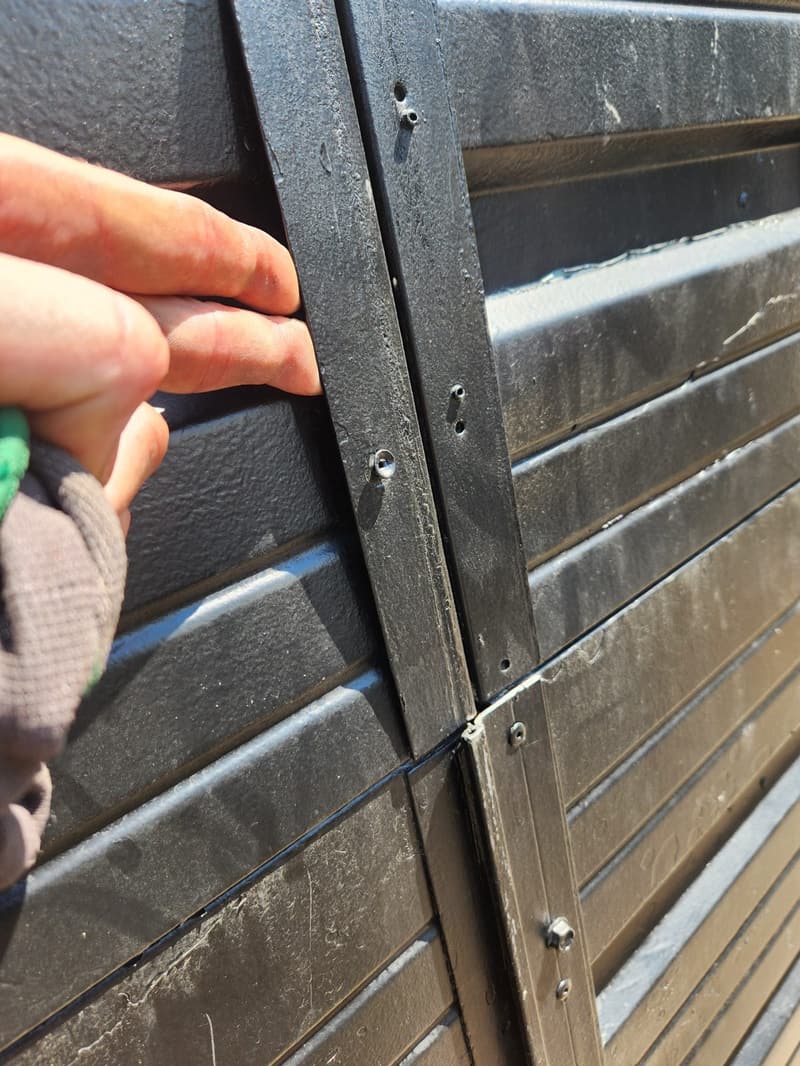
In Coquitlam’s older neighbourhoods like Maillardville and Fraser Mills, many detached homes built between the 1960s and 1980s feature single-car garages with sectional doors weighing 150 to 200 pounds. Chain drive openers remain a common choice here due to their tolerance for temperature swings and ability to handle heavier doors without strain. The installation begins with securing the header bracket to the garage framing, which must be anchored into solid wood or metal studs—not just drywall—to prevent pull-out under load. The rail assembly is then aligned with the door’s centerline, and the trolley is attached to the door’s top section via a rigid arm. Proper tension on the chain is critical; too loose and it slips on the sprocket, too tight and it overloads the motor bearings. We set tension so the chain deflects approximately 1/4 inch midway between sprockets when pulled sideways.
Belt Drive Opener Installation for Attached Garages
Newer developments along Burke Mountain and Eagle Ridge often feature attached garages with living spaces above or adjacent. In these builds, noise transmission is a concern, making belt drive openers preferable. The belt—typically steel-reinforced rubber or polyurethane—runs inside the rail and requires precise alignment to avoid tracking off the pulleys. During installation, we verify that the motor unit is mounted level and square to the door opening, as any twist can cause the belt to wear unevenly or jump teeth. The emergency release cord must hang within 6 feet of the floor and clear of the door’s path. Belt drives are sensitive to contamination; we ensure the rail interior is clean before installation and avoid lubricating the belt itself, as oils can degrade the material. Tension is adjusted so the belt has minimal sag but does not produce a humming noise under load.
Screw Drive Opener Installation for Wide Double Doors
Coquitlam’s newer subdivisions in Westwood Plateau and Burke Mountain frequently include double-car garages with doors 16 feet wide or more. These doors, often insulated and weighing over 250 pounds, benefit from screw drive openers that use a threaded steel rod to move the trolley. The screw must be straight and free of burrs; any deflection causes binding, especially in cold weather when lubricants thicken. We install the motor unit so the screw’s axis is parallel to the door’s travel path, using shims if necessary to correct for header sag. The drive coupler connecting the motor to the screw must be tight but not over-torqued, as excess force can crack the motor shaft. Lubrication is applied only to the screw threads—not the trolley bearings—and we use a low-temperature silicone grease rated to -30°C to prevent gumming in winter.
Wall Console and Safety Sensor Placement
Every opener installation includes mounting the wall console and safety sensors. The wall console is placed beside the door leading into the garage, at a height of 5 feet for accessibility, and wired to the motor unit’s low-voltage terminals using 22/2 bell wire. Safety sensors are mounted 6 inches above the floor on each track, facing each other across the door opening. Their beams must be perfectly aligned; even a 2-degree misalignment prevents the door from closing. We use a laser level to verify alignment and tighten the mounting brackets only after confirming the LED indicators are solid on both units. Wiring is stapled to studs or joists, never left dangling, and kept at least 1.5 inches away from power cables to avoid interference. In finished garages, we fish wires through ceiling joists or use surface raceways painted to match the wall.
Handling Existing Door Conditions
Before installing any opener, we assess the door’s mechanical condition. Worn rollers, misaligned tracks, or broken springs will cause the opener to strain or fail prematurely. In Coquitlam’s damp climate, steel rollers often develop flat spots from corrosion, and nylon rollers can crack from UV exposure if the garage gets direct sunlight. We replace rollers with sealed-bearing nylon or steel units rated for the door’s weight. Track alignment is checked using a straightedge; gaps exceeding 1/8 inch between the roller and track indicate bending that requires repair or replacement. Spring tension is verified—torsion springs should lift the door smoothly to the halfway point and hold it there without drifting. If springs are weak or mismatched, we recommend replacement before opener installation to avoid overloading the motor.
Frequently Asked Questions
Can I install a garage door opener myself if I have basic tools?
While the mechanical steps may seem straightforward, improper alignment of the rail, incorrect tension on the drive mechanism, or faulty sensor wiring can create safety hazards. A misaligned opener can cause the door to bind, reverse unexpectedly, or fail to stop when obstructed. We recommend professional installation to ensure the opener is matched to the door’s weight, properly secured to the structure, and compliant with BC electrical and building codes.
What type of opener is best for a garage with a bedroom above it?
Belt drive openers are ideal for attached garages with living spaces above because they operate with minimal vibration and noise. The steel-reinforced belt inside the rail reduces metal-to-metal contact, and the motor’s soft-start feature minimizes jerking during operation. We ensure the motor unit is isolated from the ceiling framing using rubber mounts to prevent sound transmission through the structure.
How do I know if my existing garage door is compatible with a new opener?
Compatibility depends on the door’s weight, balance, and track condition. We check that the door opens and closes smoothly by hand, that the springs are properly tensioned, and that the rollers and tracks are free of damage or excessive wear. If the door sags, binds, or requires more than 10 pounds of force to lift, those issues must be resolved before installing an opener to prevent premature motor failure.