

Garage Door Maintenance, Metro Vancouver
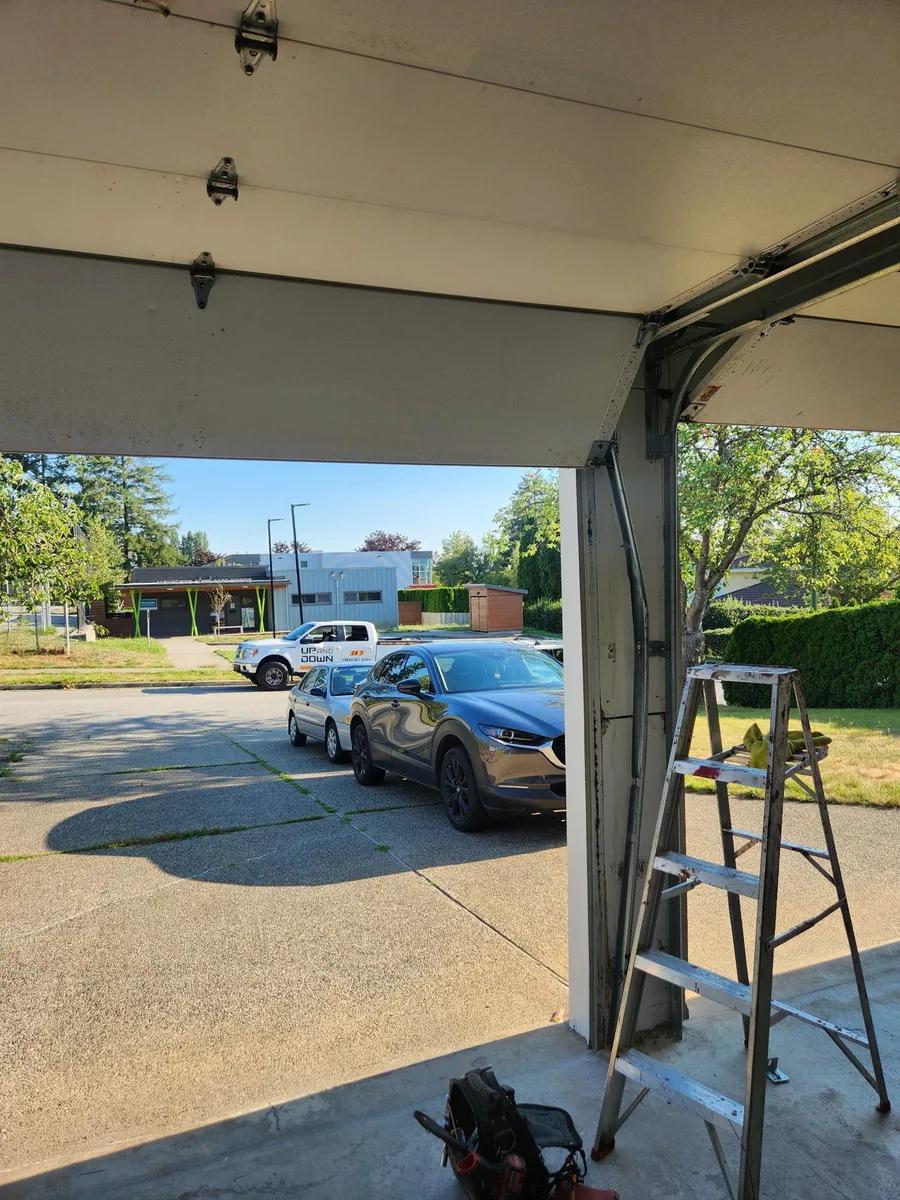
The biggest moving thing in your house is probably the garage door, and it’s the one nobody looks at until it stops. Springs, cables, drums, rollers, hinges, track, the bottom seal, plus an opener with its own drive gear and safety sensors, that’s a lot of hardware quietly wearing out in the damp. Around here the damp does most of the damage.
What a Maintenance Visit Covers
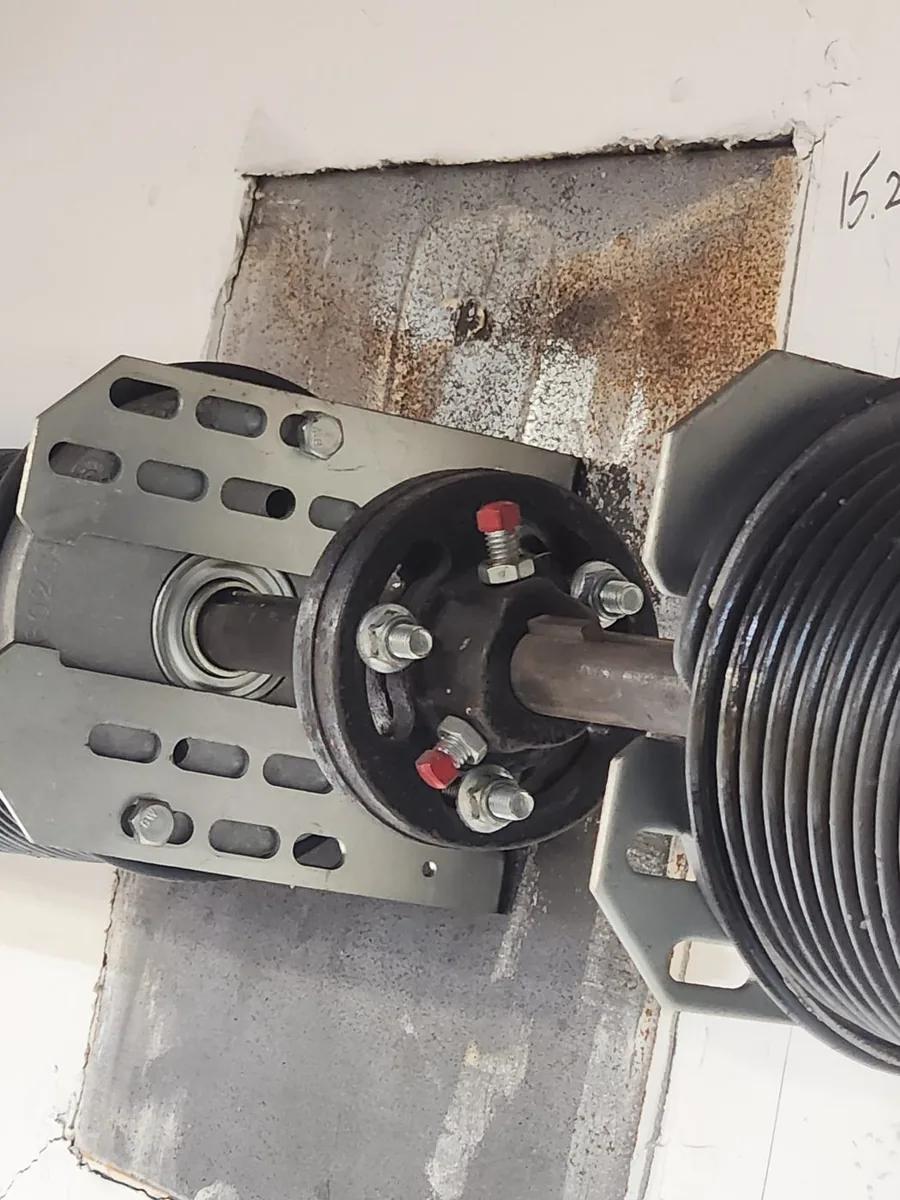
Spring inspection
We measure wire diameter and turns and look for the rust pitting that shortens a spring’s life on the coast. You get an honest read on how many cycles are left, not a scare quote.
Cable inspection
Fraying starts low, near the bottom bracket, where water sits. We check both sides and compare tension, uneven cables mean something else is off.
Roller inspection
Cracked nylon or flat-worn steel rollers get swapped. Cheap part, big difference in how hard the opener works.
Track alignment
Gaps, bends, loose lag bolts. A track that’s out by a little today is a door on the floor in a year.
Hinge and bracket check
Loose fasteners crack panels. Tightening them is thirty seconds of work that saves a panel replacement.
Lubrication
Proper garage door lube on springs, rollers, and hinges. Not WD-40, that strips what little grease is left.
Bottom seal
If it’s cracked or peeling away, rain and rodents both find the gap. Quick replacement.
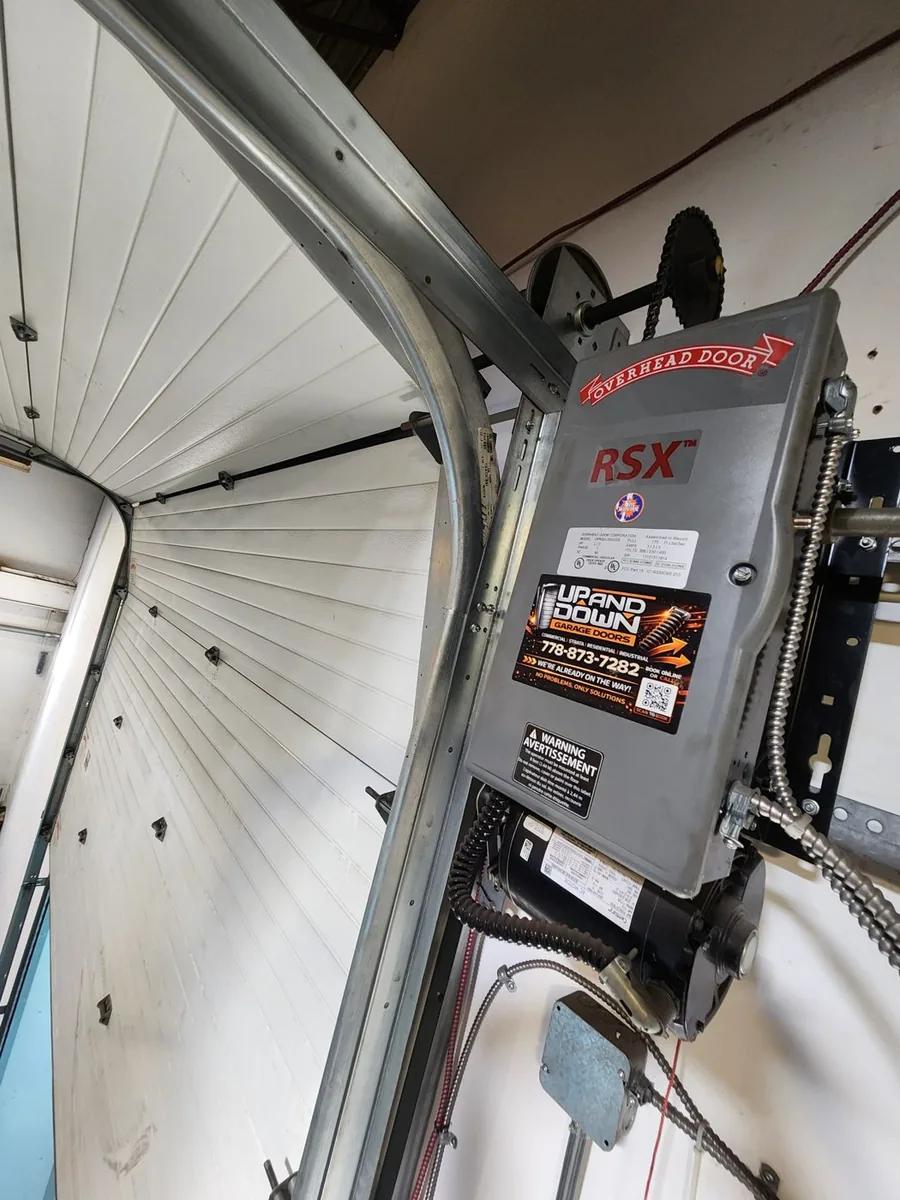
Opener test
Force settings, reverse sensitivity, sensor alignment, battery backup if you have one. The reversal test matters most if there are kids or pets in the house.
Balance test
Opener disconnected, door lifted to halfway by hand. If it drifts more than a few inches, the springs are carrying the wrong load and the opener has been compensating.
How Often
Once a year covers most homes. A heavily used door, think four or more cycles a day, every day, earns a second visit. Either way the math is simple: a maintenance call costs a fraction of the emergency call it prevents, and it’s scheduled on your calendar instead of the door’s.
Call 778-873-7282 to book. Residential doors across Metro Vancouver.
Also worth a look: how long weather seal lasts in BC · strata garage door service in Richmond · strata door service in Vancouver · strata maintenance programs in Surrey · strata door service in Langley.
A Ten-Minute Check You Can Do Yourself
- Look. With the door closed, check the cables at the bottom corners for fraying or rust, and look for gaps in the springs above the door.
- Listen. Run the door once. Grinding, scraping or a loud bang at the top of travel are early warnings.
- Test the auto-reverse. Lay a piece of 2x4 flat on the floor under the door and close it. The door should reverse as soon as it touches the wood.
- Test the sensors. Start closing the door and wave something through the sensor beam. The door should stop and go back up.
- Watch the balance. If the door looks like it is straining, slows down near the top or bounces when it lands, book a garage door maintenance visit.
What to Lubricate, and What Not To
Use a garage-door lubricant or a light silicone spray on the hinges, the roller bearings and the springs. Do not grease the tracks. Grease in the track collects dust and grit and makes the rollers skid instead of roll. Wipe the tracks clean instead. Nylon rollers with sealed bearings need little or no lubrication.
Leave These to a Technician
Do not adjust the springs, the cables or the bottom brackets. They are under high tension. Tightening a loose track bolt or a hinge screw is fine. Anything attached to the spring system is not.
Garage Door Maintenance for Stratas
For townhome complexes and strata buildings, a scheduled visit for every door in the complex is usually cheaper and less disruptive than call-outs one door at a time. We can note the condition of each door as we go, so the strata council can plan replacements ahead instead of reacting to breakdowns. For homeowners, our maintenance checklist is a handy printout.