

ResidentialStrataCommercialIndustrial
Residential & Commercial Garage Door Repair · Richmond & Metro Vancouver Stuck garage door? We’ll get it moving.
Already on the way. Springs, cables, openers and new doors for homes, stratas and warehouses across Metro Vancouver, day or night.
Start here
What do you need?
Product finder
Find the right door or opener.
Every door, opener and operator we supply and install, from Amarr, Hörmann, Raynor, LiftMaster, Chamberlain, Genie, Manaras and GDI. Specs side by side, then a firm price.
Service finder
What do you need done?
Broken spring, off-track door, dead opener or a whole new door. Tap what’s going on and we’ll tell you what it means and what we do about it.
Common garage door problems and what they mean
 Broken torsion spring: That bang was a spring letting go.
Likely cause: A torsion spring has snapped — you can often see a gap in the coil above the door. The opener is now trying to lift the door’s full weight.
Do this now: Keep the door closed and unplug the opener. Don’t force it up by hand or keep pressing the remote.
What we do: We replace the spring (usually both, so they wear evenly), re-balance the door and check cables, drums and bushings in the same visit.
 Off-track door: One side dropped. The rollers left the track.
Likely cause: Usually a bumped track, a loose bracket or a cable that’s slipped on one side — the door hangs at an angle or jams halfway.
Do this now: Stop using the opener. A crooked door can fall or bend panels if it keeps running.
What we do: We secure the door, re-seat the rollers, straighten and re-fasten the track and re-tension the cables so it runs square.
Lift cable failure: A frayed cable is next to snap.
Likely cause: Lift cables wear where they wrap the drum at the bottom bracket. Once strands start breaking, the door can drop on one side.
Do this now: Leave the door where it is and keep people and cars clear of the opening.
What we do: We replace both cables, check the drums and bottom brackets and re-balance the door.
 Opener fault: The door’s fine. The opener isn’t.
Likely cause: Dead remote batteries, a tripped outlet, lost programming, stripped drive gears or a failed logic board.
Do this now: Check the outlet and remote batteries. You can pull the red release cord to run the door by hand — only if the springs are intact.
What we do: We diagnose the opener on site, repair it or — if it’s past saving — fit a new LiftMaster or Chamberlain unit and program your remotes and app.
 Safety sensors: It’s protecting you. It just thinks something’s there.
Likely cause: Most often the safety-eye sensors at the bottom of the track are knocked out of line, dirty, or their wiring is damaged.
Do this now: Wipe both sensor lenses and check nothing is blocking the beam. Don’t bypass the sensors.
What we do: We re-align or replace the sensors, check the wiring and set the close force and travel limits so it shuts properly.
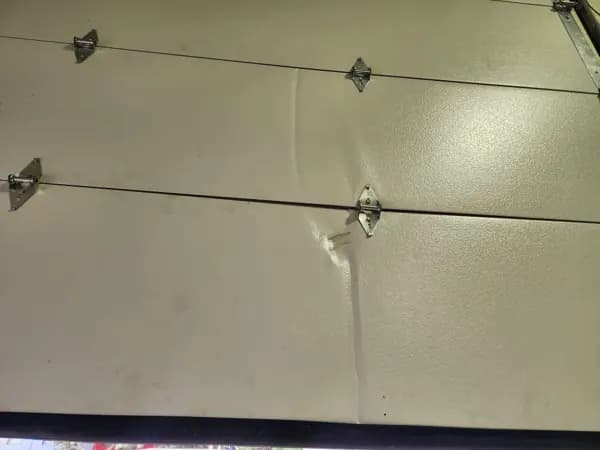
 Panel damage: One bad panel doesn’t always mean a new door.
Likely cause: A dent or crack can throw the door out of alignment, let in drafts and put extra strain on the hinges and opener.
Do this now: If the door still runs smoothly, use it gently. If it binds, stop and call.
What we do: When the model is still available we match and replace just the damaged section. If it’s not, we’ll tell you straight and quote a new door.
 Emergency: Stuck open overnight? That can’t wait.
Likely cause: A car you need in the morning, a door that won’t close on your house, or a strata gate stuck open — security and access problems.
Do this now: Call us. Don’t try to lift a door with a broken spring and don’t leave it half-open with the opener running.
What we do: A same-visit emergency response, any hour, across Metro Vancouver. We make it secure first, then fix it properly.
 Wear & tear: Noise is the door asking for a tune-up.
Likely cause: Dry rollers and hinges, worn bearings, loose hardware or worn opener gears — the early signs before something breaks.
Do this now: Keep using it, but book a tune-up before the noise turns into a breakdown.
What we do: A full tune-up: balance, lube, tighten hardware, replace worn rollers and test the safety reverse.
Services · we come to you
Something broken? Here’s what we fix.
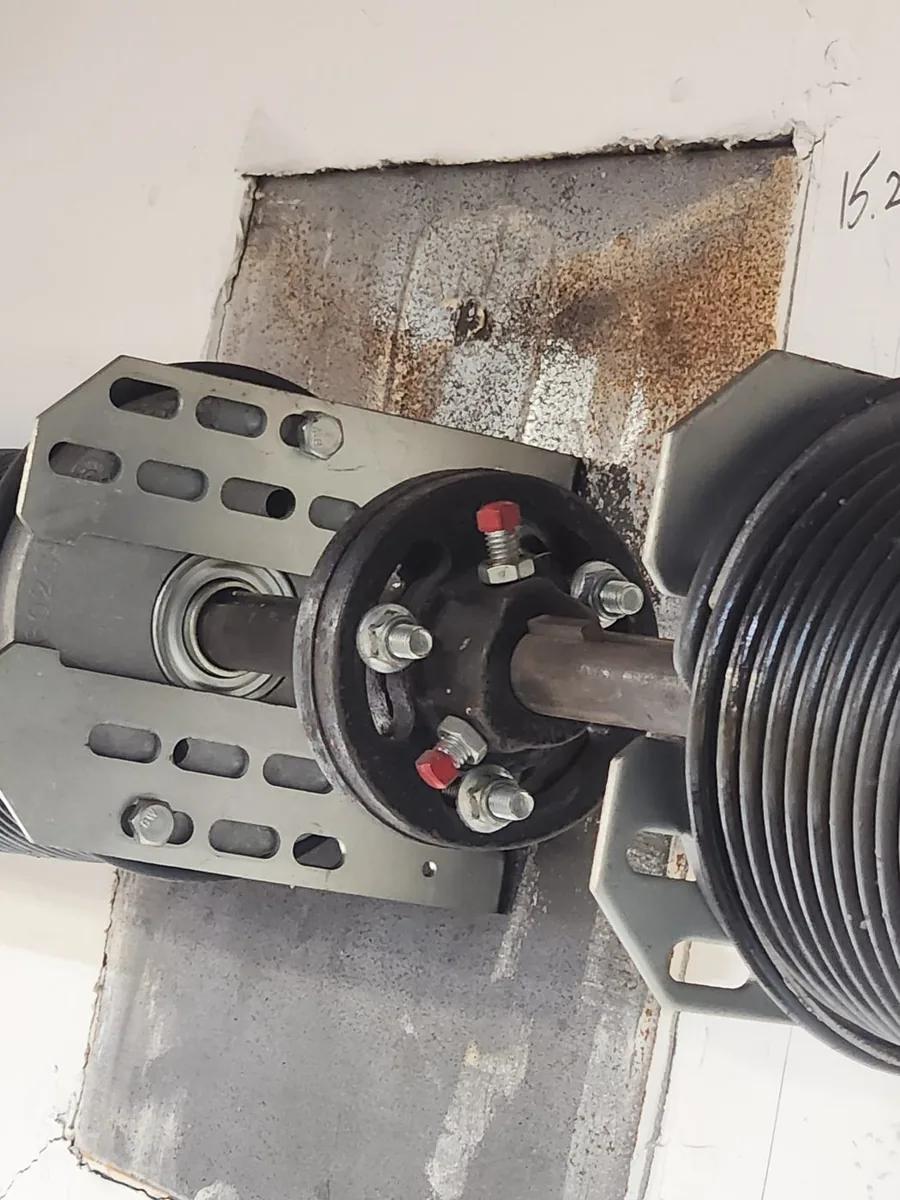 Most common callBroken Spring RepairA loud bang, then the door is too heavy to lift. Torsion and extension springs replaced and balanced.
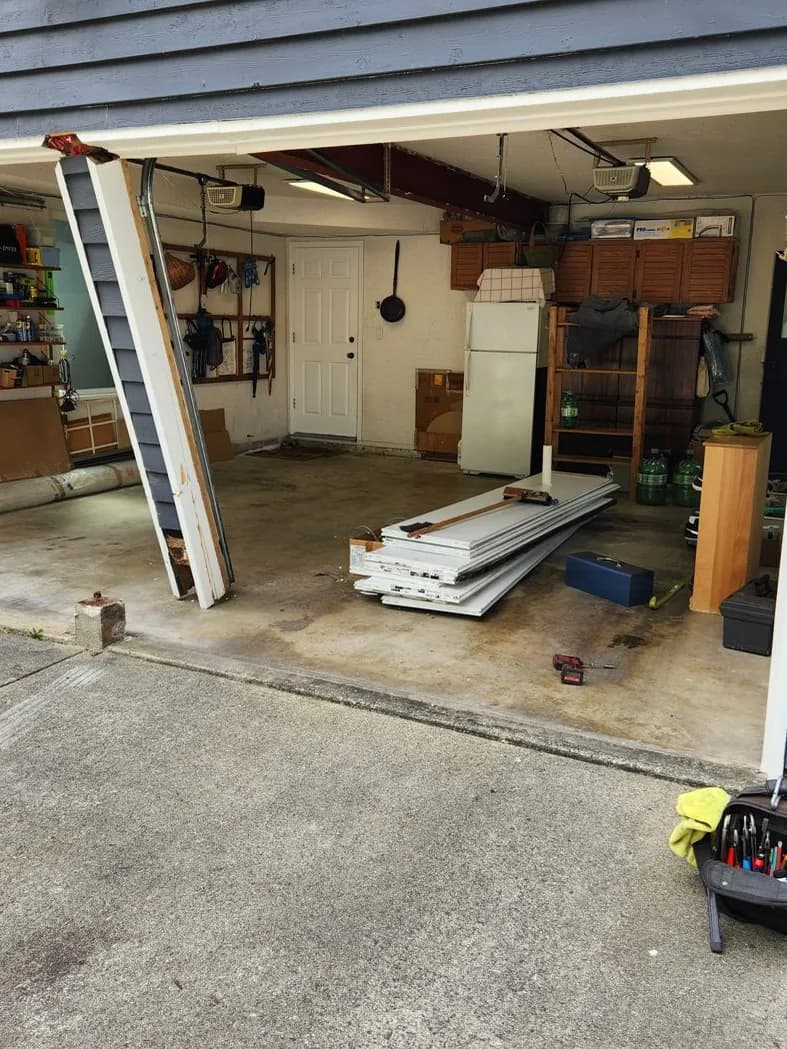
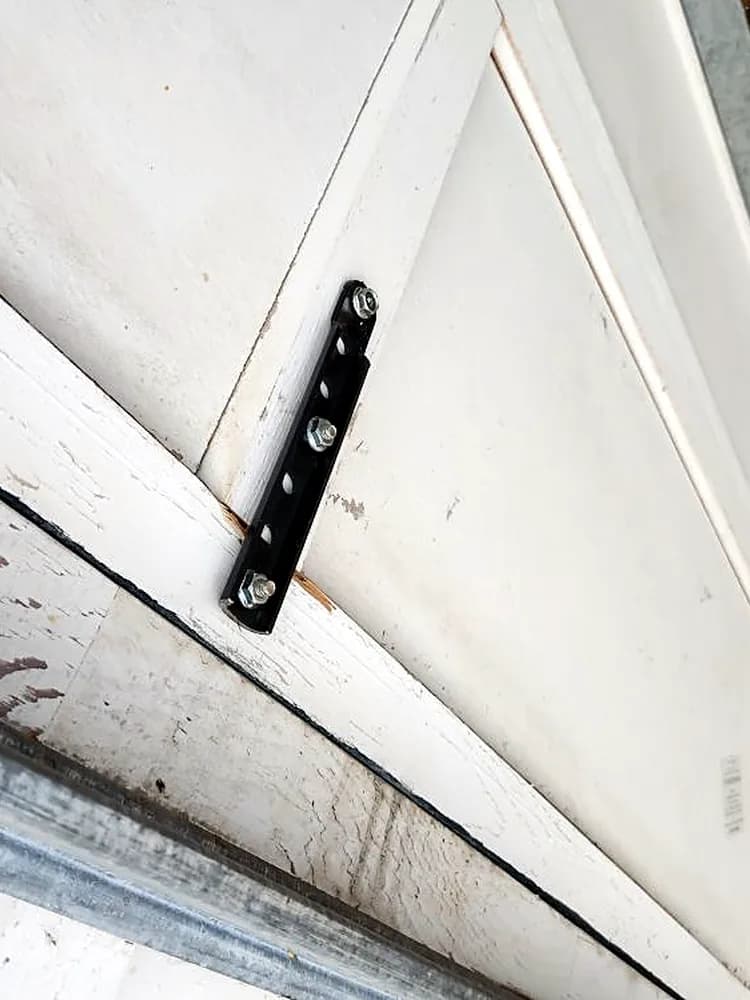 RepairsGarage Door RepairWon’t open, won’t close, or sits crooked. Diagnosed on site, fixed the same visit whenever we can.
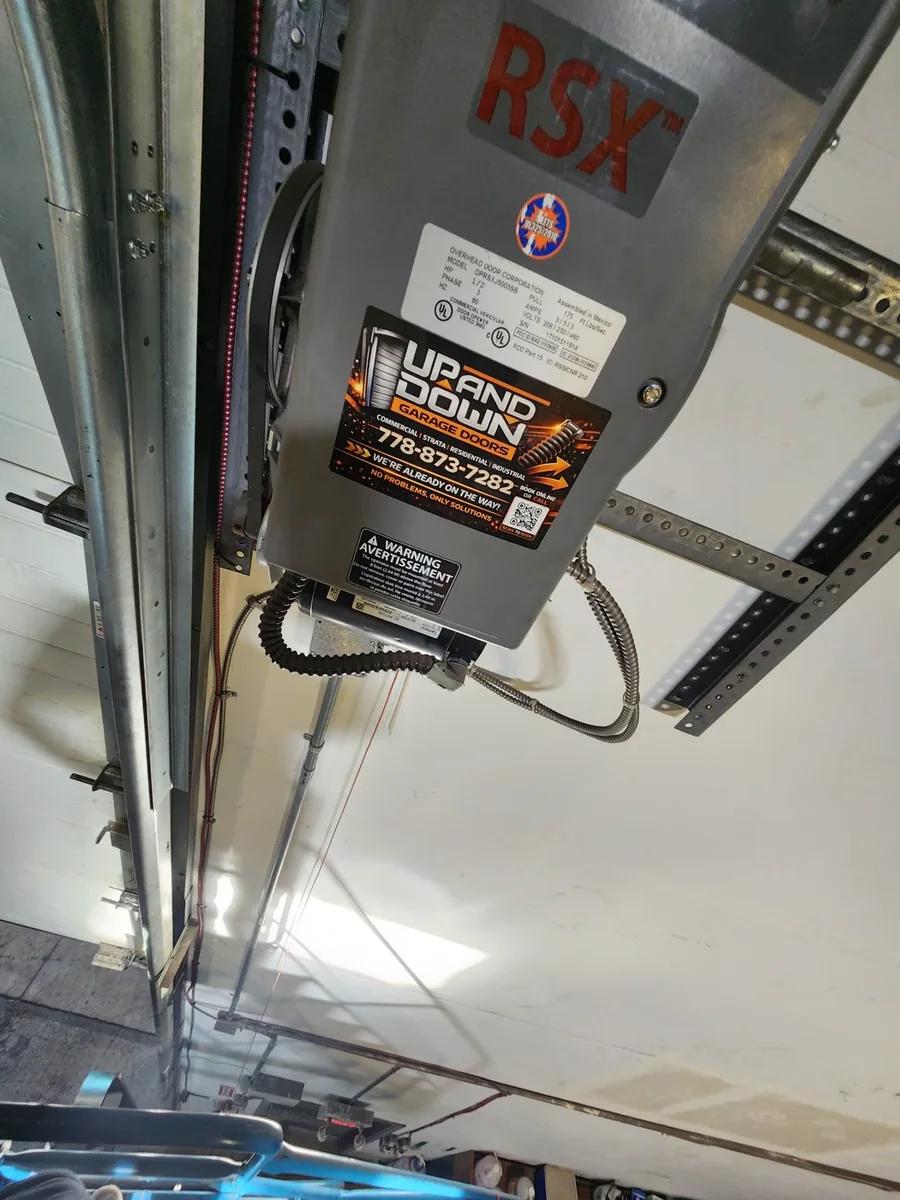 OpenersGarage Door Opener InstallationQuiet belt-drive LiftMaster and Chamberlain openers supplied, fitted and programmed.
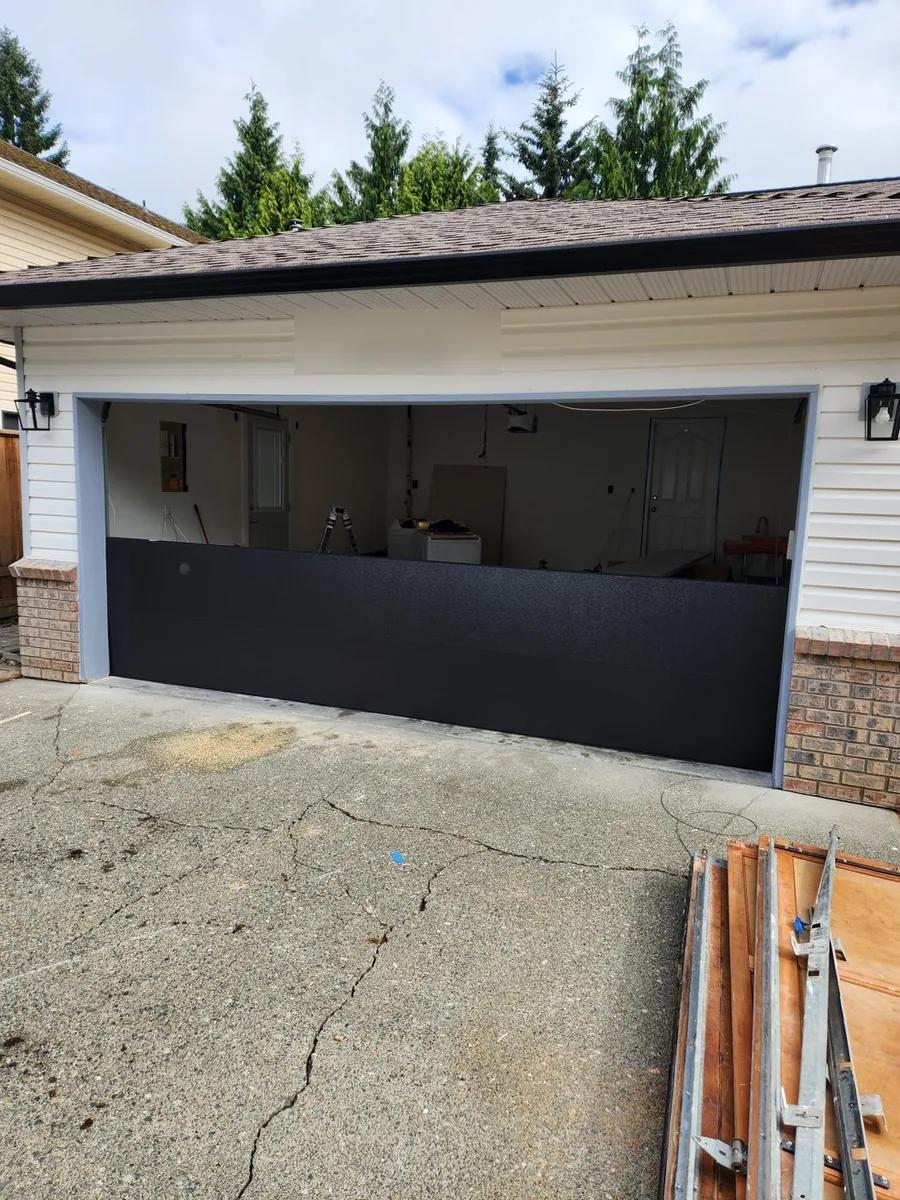 New doorsNew Garage Door InstallationAmarr doors measured, supplied and installed — insulated steel, carriage-house, modern glass.
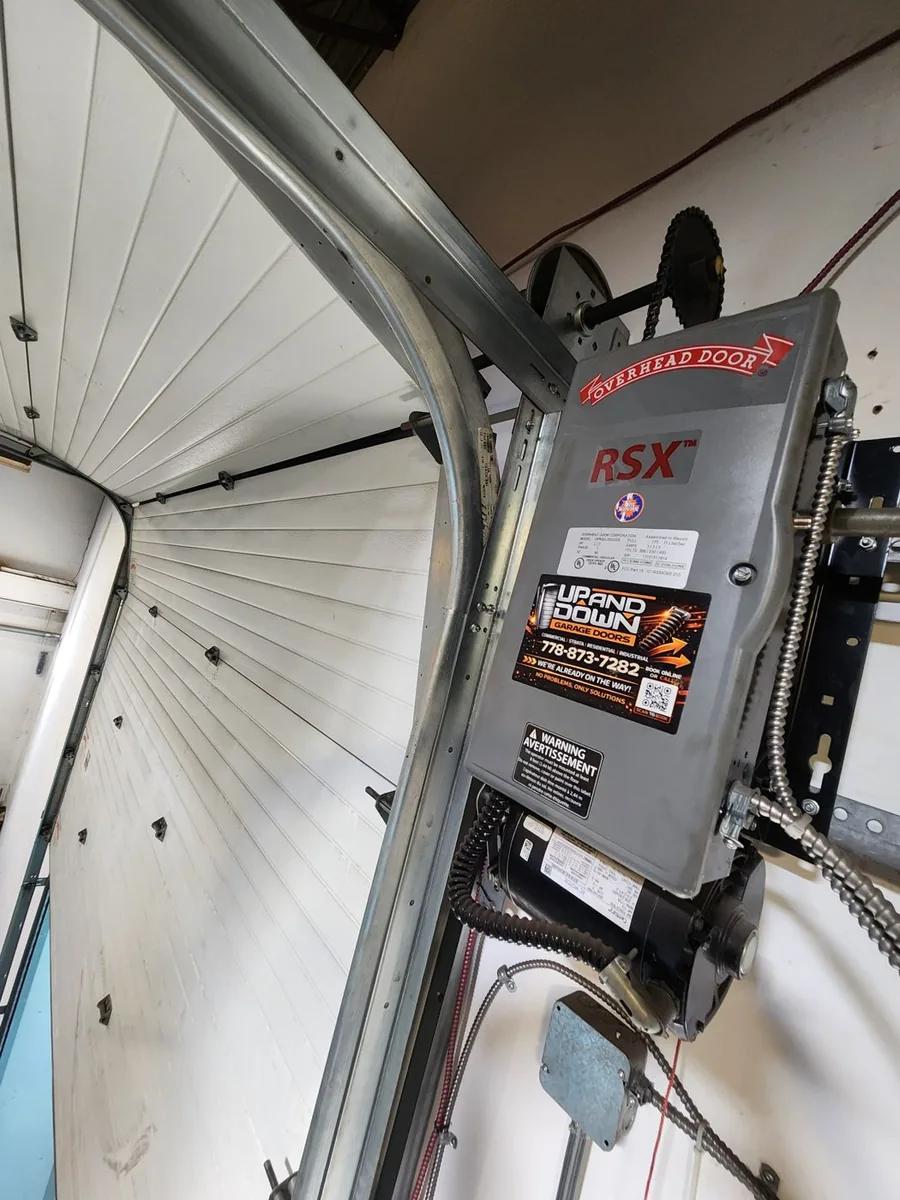 RepairsGarage Door Cable ReplacementFrayed or snapped lift cables and drums replaced before they drop the door.
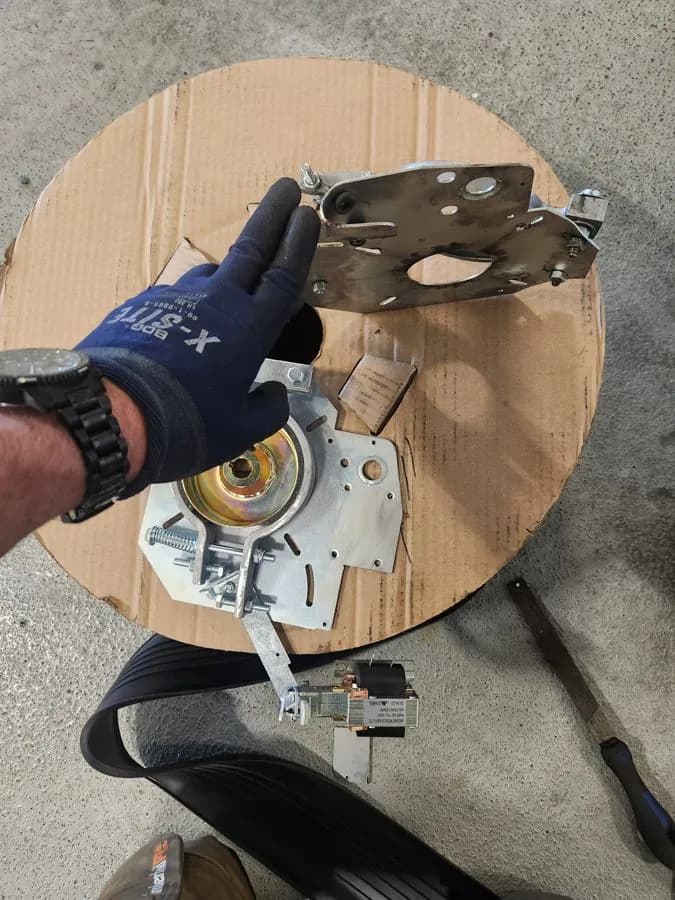 OpenersGarage Door Opener RepairDead remotes, sensors out of line, stripped gears or a failed logic board.
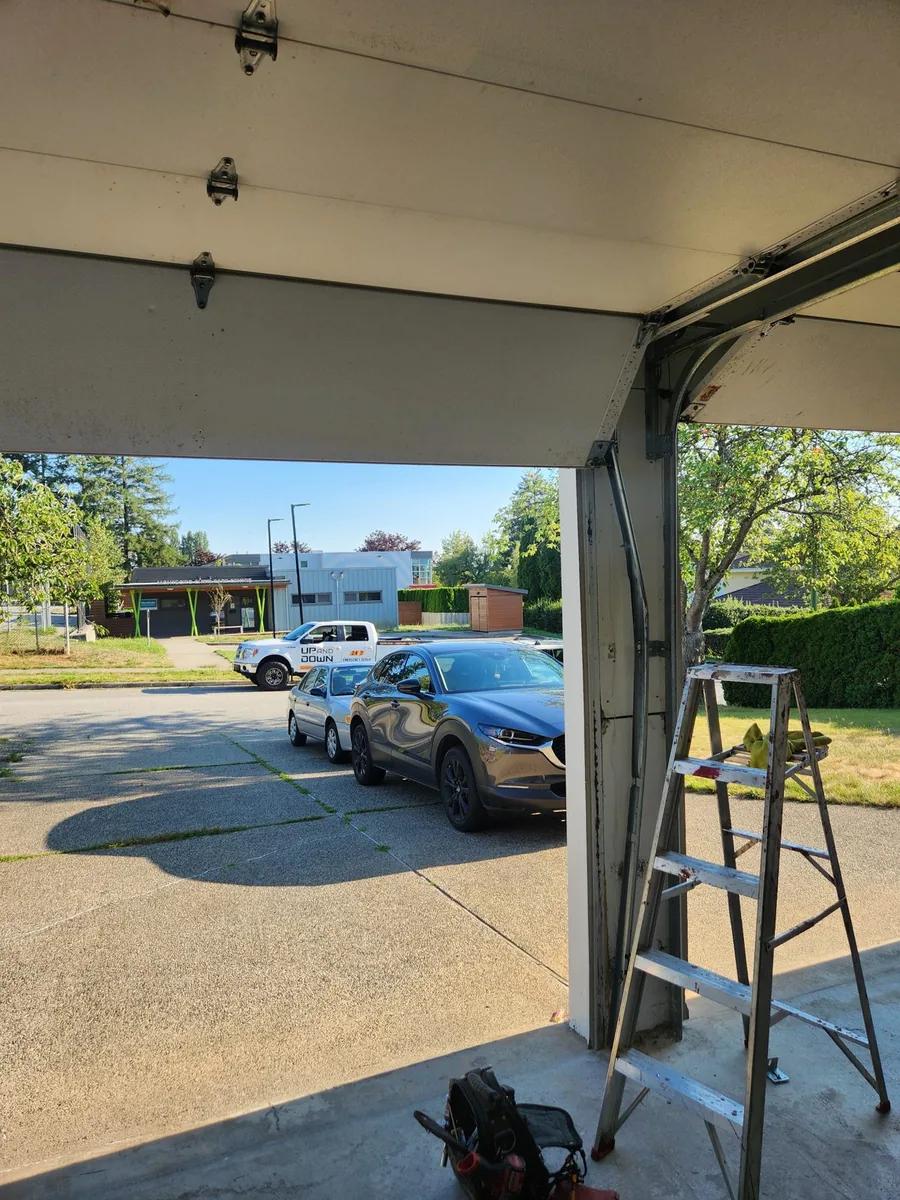 Prevent itGarage Door Maintenance & Tune-UpBalance, lube, hardware and safety-reverse check. The cheapest visit you’ll book.
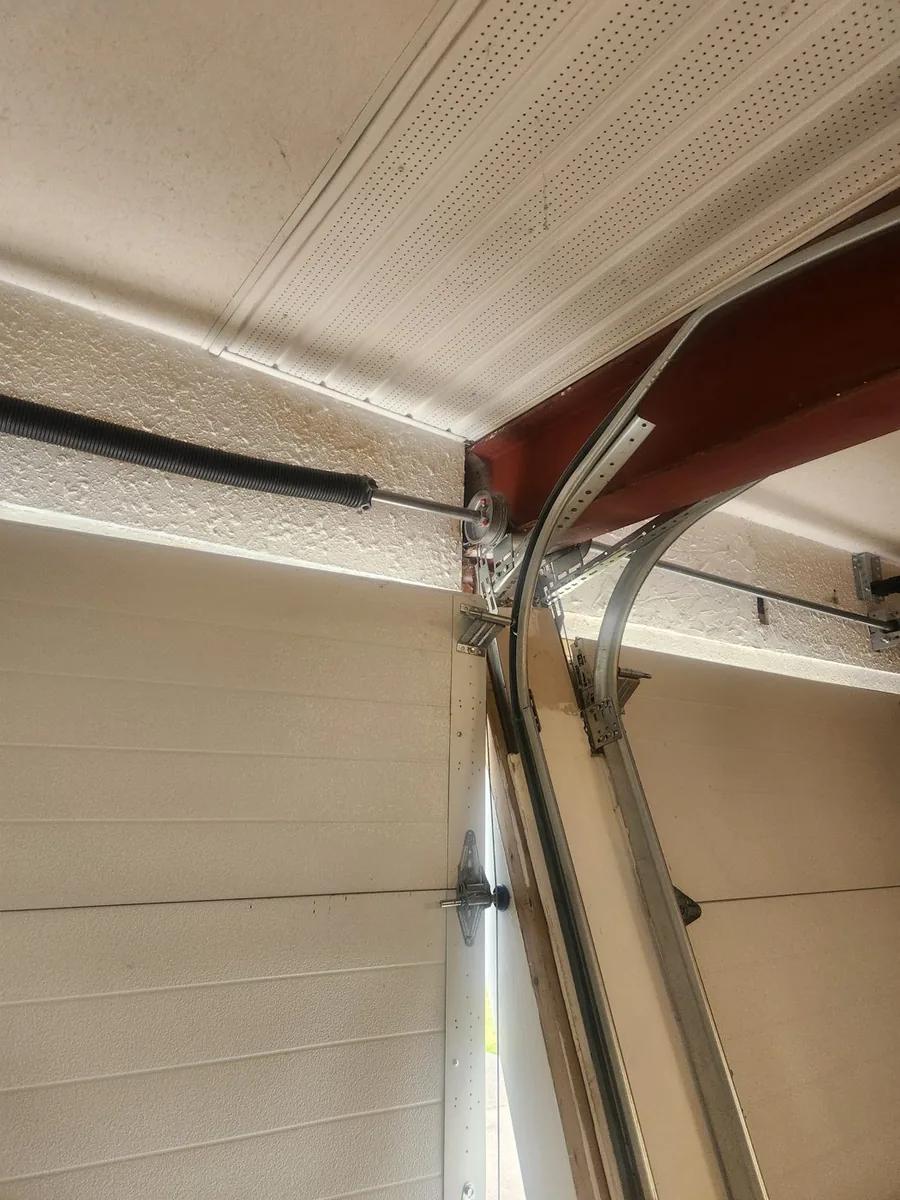 RepairsOff-Track Garage Door RepairDoor jumped its rollers or jammed half-open. Reset, re-aligned, re-tested.
Products · doors, openers & parts
Buying new? These are the brands we supply and install.
Residential doors, commercial doors and heavy-duty operators — supplied, installed and repaired by one team.
Operators · industrial & gates
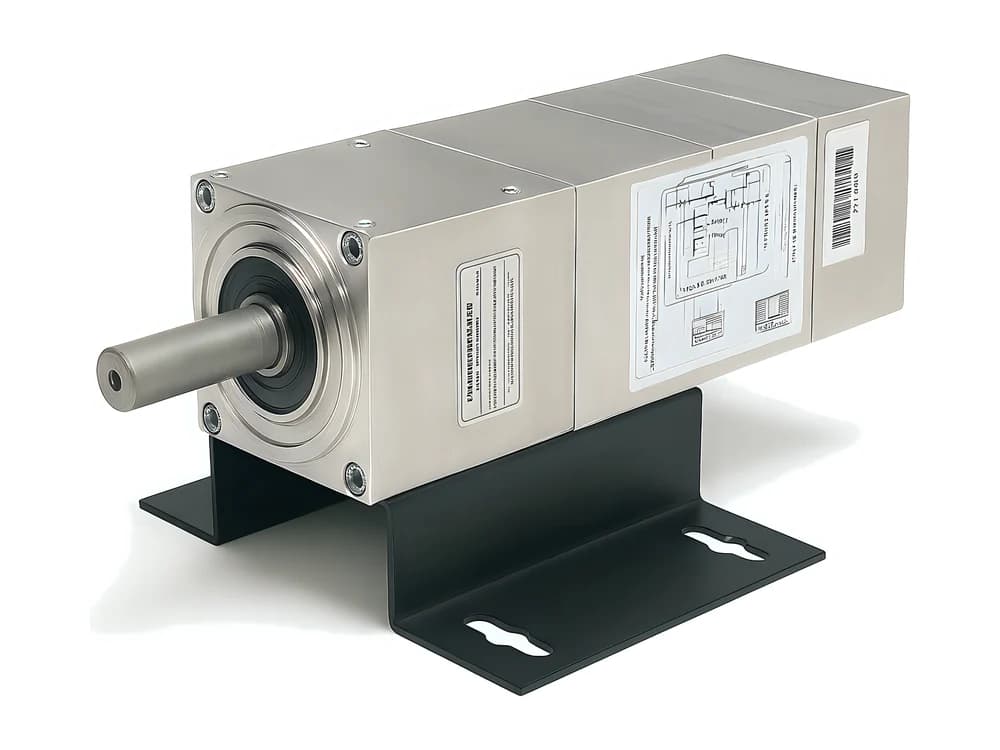
GDI GearMotor operators.
UL-listed industrial door operators and gate systems — including a heavy-duty model rated for 10,000 cycles a day.
- JHMG-VC industrial
- JDMG-LG jackshaft
- HAML-RBH direct drive
- SGWD slide gate
- GLWD barrier gate
Also installed and serviced: Hörmann · Genie · Chamberlain · myQ — Browse the full catalogue
Full product line-up
GDIOperators · industrial & gates
GDI builds UL-listed operators for industrial doors and gates. Their heavy-duty unit is rated for 10,000 cycles a day.
Lines: JHMG-VC industrial · JDMG-LG jackshaft · HAML-RBH direct drive · SGWD slide gate · GLWD barrier gate
- GearMotor drive — The motor behind GDI’s industrial door and gate operators.
- Chain-hoist operator — Industrial door operator with manual chain hoist.
- Trolley operator — Ceiling-mounted trolley configuration.
- Operator controller — Programmable control for GDI operators.
AmarrGarage doors · authorized dealer
Insulated steel, carriage-house and modern flush doors — measured, supplied and installed. Commercial steel sectional and rolling steel too.
Lines: Classica · Heritage · Olympus · Northwoods · EOS · Designer’s Choice · Vista · Foundry Reserve · 2400-series sectional · 4000 rolling steel
- Classica — Over 100 carriage-house designs stamped in insulated steel.
- Heritage — Enduring style in heavy-duty, low-maintenance steel.
- Olympus — Long-panel insulated door with superior energy efficiency.
- Northwoods — Printed horizontal plank design on a ribbed steel section.
- EOS — Smooth flush door — a flat, uninterrupted, minimalist surface.
- Classica Lucern — Classica carriage-house design with windows — shown in black.
LiftMasterOpeners · residential
Ultra-quiet belt drives with built-in cameras and battery backup, smart chain drives, and wall-mount units that free up the ceiling — all on myQ.
Lines: Secure View · Belt drive · Chain drive · Wall-mount jackshaft · myQ · Battery backup · Keypads & remotes
- 87504-267 Secure View — Ultra-quiet belt drive, built-in camera, corner-to-corner LED lighting, battery backup.
- 84505R Secure View — Belt drive with a built-in camera and myQ.
- 6580L — Belt-drive opener on myQ.
- 84602 — Smart chain-drive opener on myQ.
- 98022 — Wall-mount jackshaft opener — frees up the ceiling.
- 98032 — Wall-mount jackshaft opener — frees up the ceiling.
LiftMaster CommercialOperators · commercial & parkade
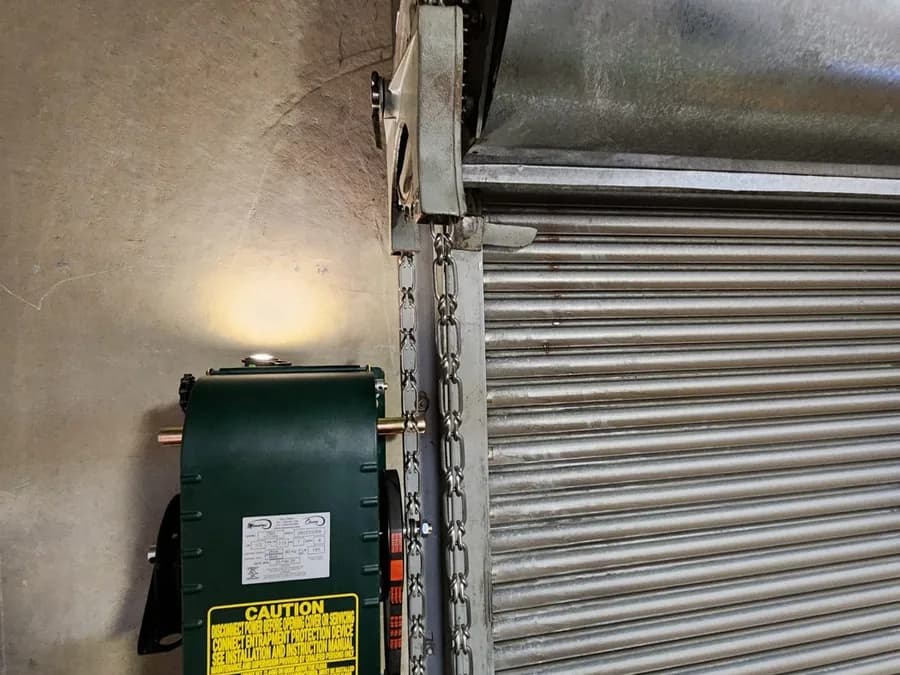
Jackshaft, hoist and trolley operators for every duty cycle — from shop doors to high-cycle apartment parkades — plus slide-gate operators.
Lines: Logic 5.0 J / H / T · GH / GT gear-head · APT Apartment Trolley · MAXUM DC · MJ / MH / MT · CSL24UL
- MAXUM DC operators — The newest LiftMaster commercial line (TDC / JDC / JHDC / RJDC) — Wi-Fi built in, alongside Logic 5.0 J, H and T models.
- CSL24UL — Slide-gate operator · 1 HP, 24V DC · gates to 50 ft / 1,500 lb.
ManarasOperators · commercial & industrial
Heavy-duty jackshaft, hoist and trolley operators built for high-cycle commercial, industrial and parkade doors — plus high-speed and quiet lines.
Lines: OMJ / OPJ jackshaft · OMH / OPH hoist · OMT / OTH trolley · MSJ · OSH · Rapido high-speed · Silencio · Allegro · Parkade operators
- OMJ — Commercial jackshaft operator.
- OMH — Commercial hoist operator.
- OPJ — Heavy-duty jackshaft operator.
- MSJ — Commercial and industrial jackshaft operator.
- OSH — Industrial operator.
- Internet Control (MIC) — Control and monitor the door from your phone.
RaynorDoors & operators
Residential and commercial doors — insulated sectional, full-view aluminum, rolling steel and counter shutters — with ControlHoist operators to run them.
Lines: Aspen · StyleView · ShowCase · ThermaSeal · EnergyCore · AlumaView · DuraCoil · DuraShutter · ControlHoist
- ControlHoist 2.0 — Commercial/industrial operator — jackshaft-with-hoist and trolley configurations.
- ONYX — Commercial door operator from Raynor’s current lineup.
Amarr doorsFull residential collection
We are an authorized Amarr dealer. Every collection below can be measured, quoted and installed.
Carriage-house style:
- Classica — Over 100 carriage-house designs stamped in insulated steel.
- Carriage Court — 18 designs with durable composite overlay trim, insulated and steel-backed.
- Heritage Carriage House — The carriage-house look in heavy-duty, low-maintenance steel.
- Hillcrest — Steel carriage-house designs at value pricing.
- Designer's Choice — Carriage-house style with superior energy efficiency.
Traditional steel:
- Heritage — Heavy-duty, low-maintenance steel.
- Lincoln — Classic low-maintenance steel door — the best value in the line.
- Olympus — Long-panel insulated door with superior energy efficiency.
Modern & aluminum:
- Classica Flush — A modern take on the three-panel Classica silhouette.
- Classica Full View — Contemporary glass design with energy-efficient performance.
- Vista — Aluminum full-view door with clean lines.
- Horizon — Aluminum door with long, narrow expanses of glass.
- Northwoods — Printed horizontal plank design on a ribbed steel section.
- EOS — Smooth flush door — a flat, uninterrupted surface.
- Foundry Reserve — Luxury aluminum frame with applied architectural surfaces.
Custom:
- Amarr By Design — Fully customizable real-wood garage doors.
LiftMaster openersResidential line & accessories
The LiftMaster openers we install, and what each one is best for.
- LiftMaster 87504-267 — Secure View Ultra-Quiet belt drive, built-in camera, corner-to-corner LED lighting, battery backup. Best for: Camera monitoring plus the quietest belt drive — good for garages under bedrooms. Comes with: 893MAX remote, 877LM keypad, 880LMW control panel, 485LM battery.
- LiftMaster 84504R — Secure View Ultra-Quiet belt drive, built-in camera, dual LED lighting, battery backup. Best for: Camera monitoring on a lower-cost belt drive. Comes with: 882LMW Wi-Fi control panel, 485LM battery.
- LiftMaster 6690L — Premium Series 1¼ HPS belt drive, 360° camera, myQ. Best for: Heavier doors that need more lift, with 360° camera coverage. Comes with: L993M remote, L979M keypad, L958W control panel, G485LM battery.
- LiftMaster 83650-267 — ½ HP AC chain drive with Bluetooth and Wi-Fi. Best for: Heavy or oversized doors — AC chain drive carries more weight than DC belt models. Comes with: 893LM remote, 882LMW control panel, 877LM keypad.
- LiftMaster 81600 — DC chain drive with built-in Wi-Fi. Best for: A reliable, no-frills Wi-Fi chain drive at a lower price.
- LiftMaster 2220L — ¾ HPS-equivalent chain drive, built-in camera, myQ — value tier. Best for: Budget installs that still want a camera and myQ. Comes with: L993S remote, L955W control panel.
- LiftMaster 98022 — Elite Series DC wall-mount (jackshaft) opener with battery backup. Best for: Low-headroom garages — mounts beside the door on the torsion bar. Comes with: 485LM battery, 841LM auto door lock, 880LMW control panel, L993M remote.
- LiftMaster 8360WLB — DC battery-backup chain drive, Wi-Fi. Discontinued — we still carry parts.
- LiftMaster 8500W — Elite Series wall-mount opener, predecessor to the 98022. Discontinued — we still carry parts.
Accessories: myQ Smart Garage Control (retrofits most openers made after 1993 with app control) · myQ Smart Garage Camera (1080p, night vision, 2-way audio, motion alerts) · 893MAX remote (universal 3-button, runs up to 3 openers) · 891LM remote (1-button, for yellow learn-button openers) · 878MAX keypad (universal wireless keyless entry) · 041-0136 safety sensor kit (replacement eyes for 2021-and-newer openers)
Chamberlain openersRepair & replacement
Chamberlain models we service — current and discontinued.
- Chamberlain RJO101MC — Wall-mount direct drive, Ultra-Quiet, Wi-Fi, battery backup — for low-headroom garages.
- Chamberlain B4613TMC — ¾ HP belt drive, Wi-Fi, battery backup, wireless keypad included.
- Chamberlain B6753STMC — Secure View belt drive, 1¼ HP-equivalent, 1080p camera with 2-way audio.
- Chamberlain B4643STMC — Secure View ¾ HP belt drive with 1080p/130° camera.
- Chamberlain B5330 — 1 HP DC belt drive, battery backup, myQ, built-in 130° camera.
- Chamberlain B2211TMC / B2210TMC — ½ HP-class DC belt drives with Wi-Fi and battery backup.
- Chamberlain C2102MC — ½ HP AC chain drive — a dependable lower-cost replacement.
- Chamberlain C400, B970, B750, B550, WD1000WFC, WD962KD — Discontinued models we still repair and carry parts for.
Accessories: G940EV-P2 wireless keypad · KLIK2U-P2 universal keypad · G953EV-P2 remote · 041-0136 sensor kit · myQ door sensors
Torsion springsCycle ratings we stock
Springs are rated by cycle life: how many open-and-close trips before they wear out. We stock these and wind custom sets.
- 10,000 cycles (Standard) — Builder-grade, on most new homes. About 3–4 cycles a day gives roughly 7–10 years.
- 25,000 cycles (Upgrade) — Busier households, heavier doors, or a longer gap before the next spring job.
- 50,000 cycles (High use) — Multi-car households, rentals and light-commercial doors.
- 100,000 cycles (Commercial) — Parkades, warehouses and strata buildings with heavy daily traffic.
- Custom wind (Built to spec) — Wound to the door's exact weight, height and drum size — oversized, full-view and older non-standard doors.
Your first garage door repair
First time booking Up & Down? Take 10% off labour on your first repair, whether it's a broken spring, a noisy opener or a door that's come off its track.
New clients only. One per household or business, applies to labour on the first job. Valid on work booked by December 31, 2026.
Recent work
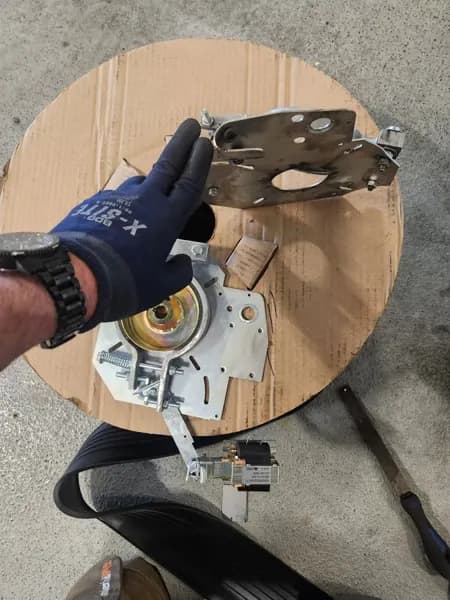
Real jobs from our crew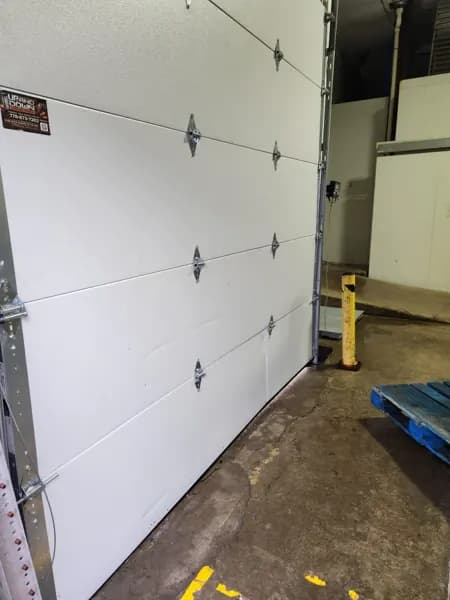
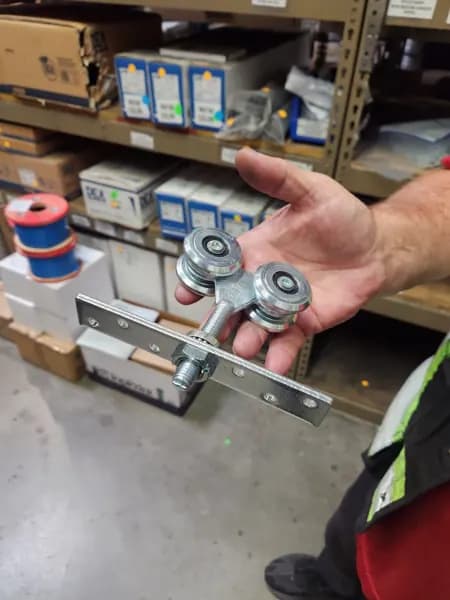
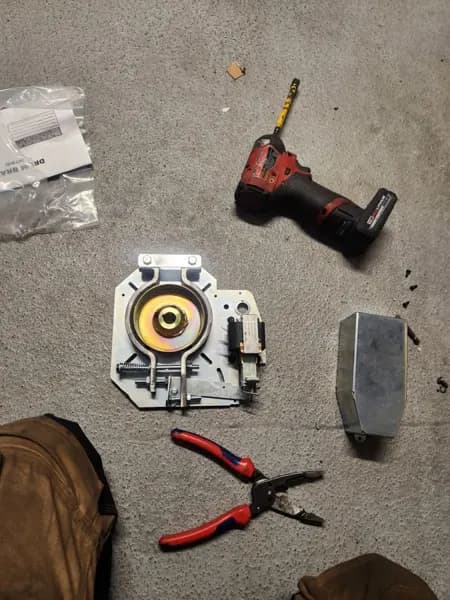
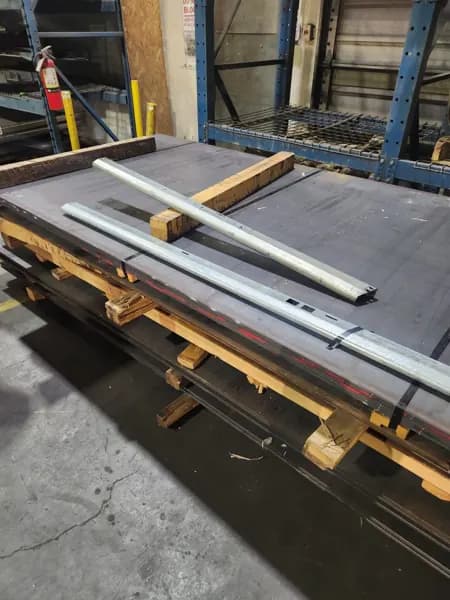
Explore
Commercial, service areas and FAQ.
Commercial & industrialRolling steel, sectionals, parkade gates and operators
Commercial & industrial
Doors and operators for buildings that can’t stop.
Property managers, stratas, warehouses and shops call us for the doors that keep their buildings secure and moving — repaired, maintained and replaced by one accountable team. Start at commercial garage door repair.
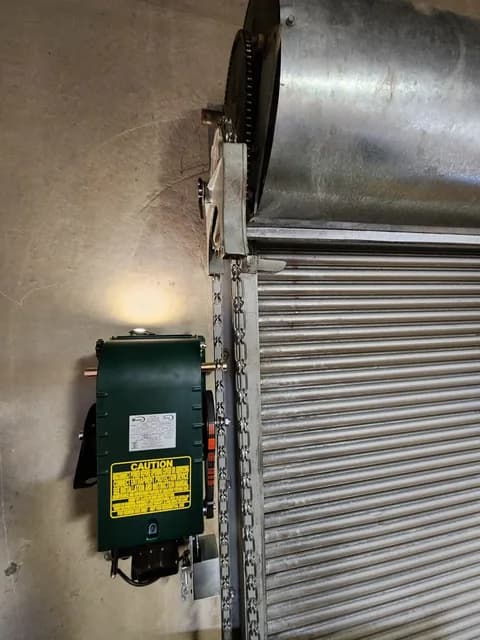
Rolling steel & security grilles
Storefront shutters, parkade grilles and counter doors — springs, curtains, guides and operators.
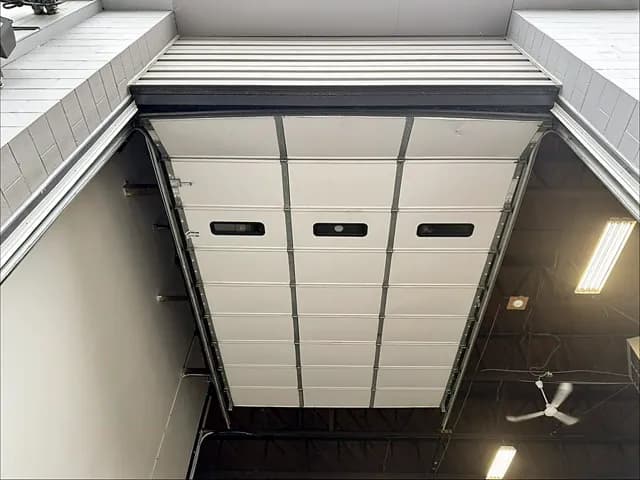
Commercial sectional doors
High-lift, vertical-lift and insulated sectionals for warehouses, shops and service bays.
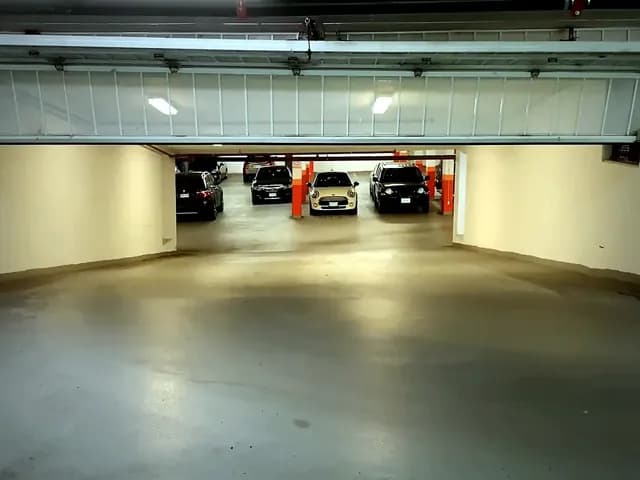
Parkade gates & access
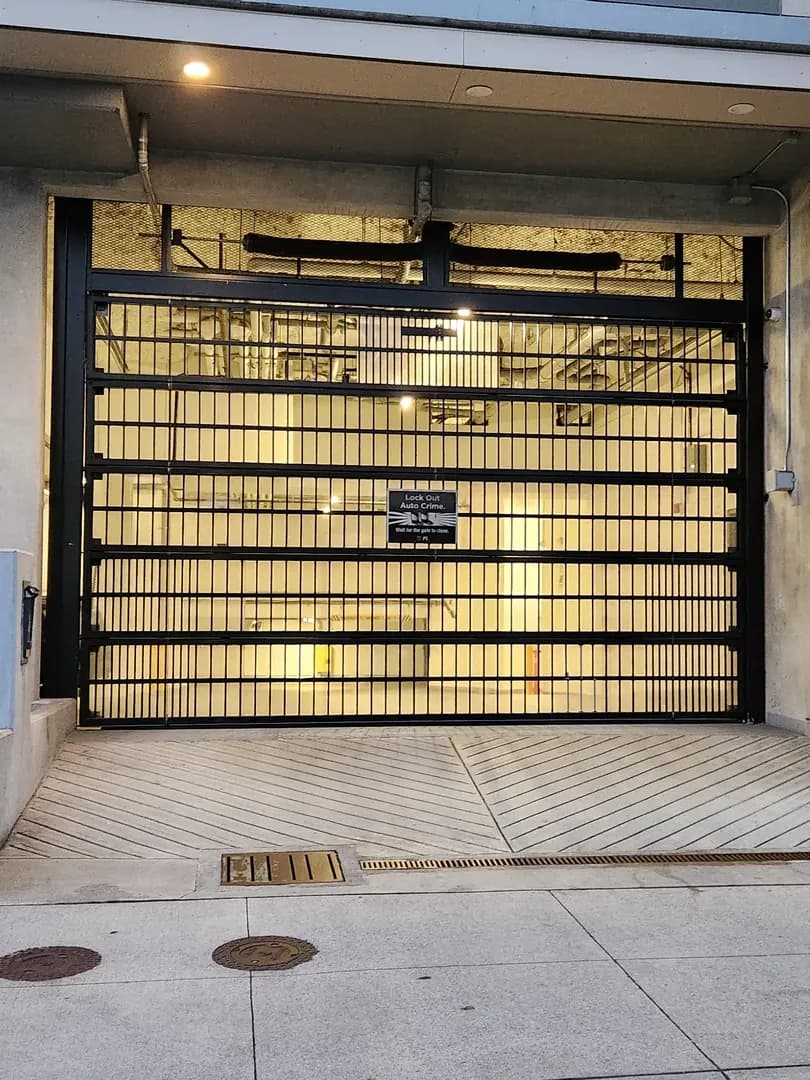
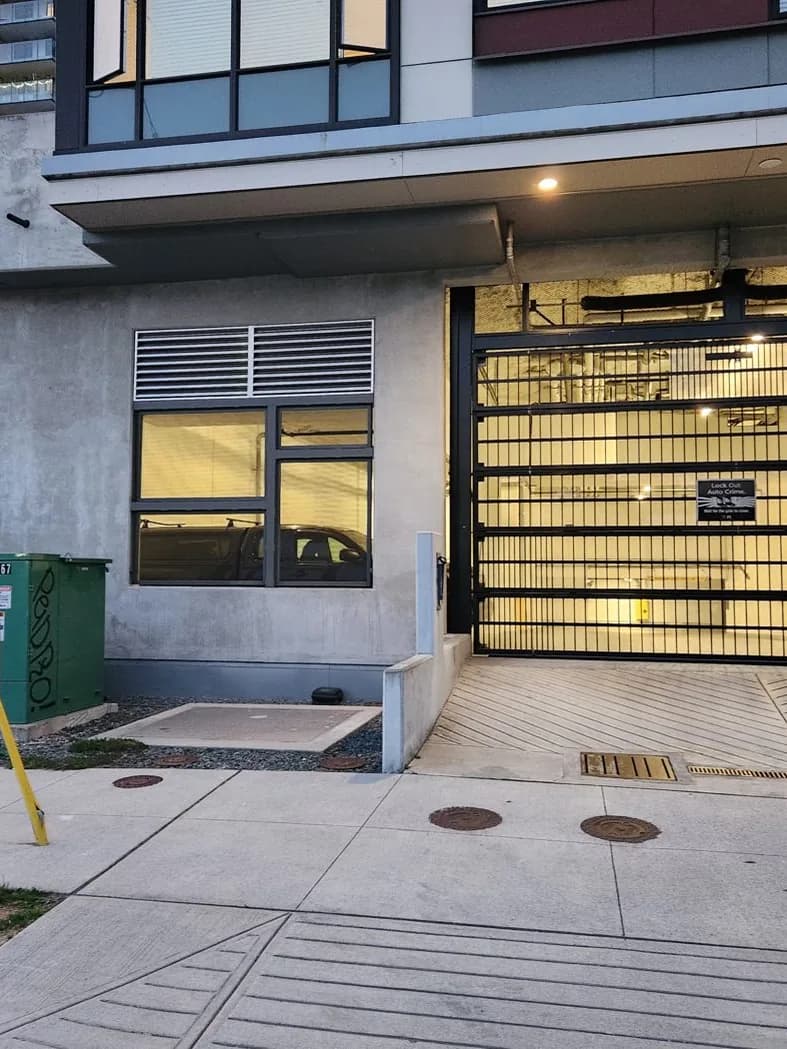
Overhead parkade gates, operators, safety edges and photo eyes for multi-unit buildings.
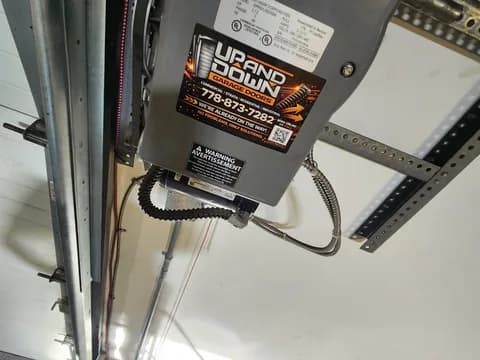
Commercial door operators
Manaras-Opera, LiftMaster Commercial and GDI jackshaft, hoist and trolley operators — supplied, installed and serviced.
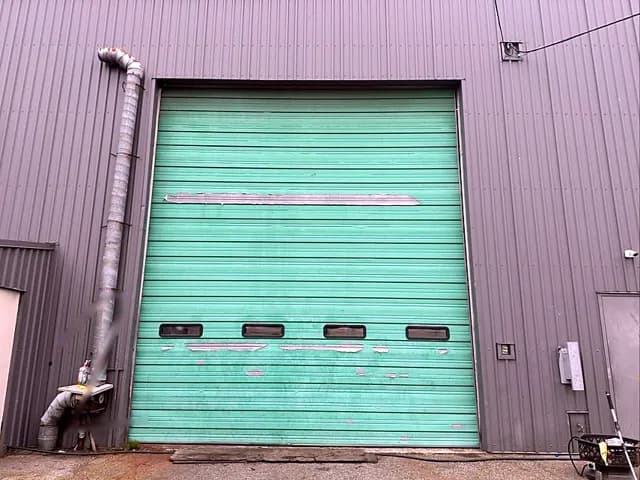
Industrial overhead doors
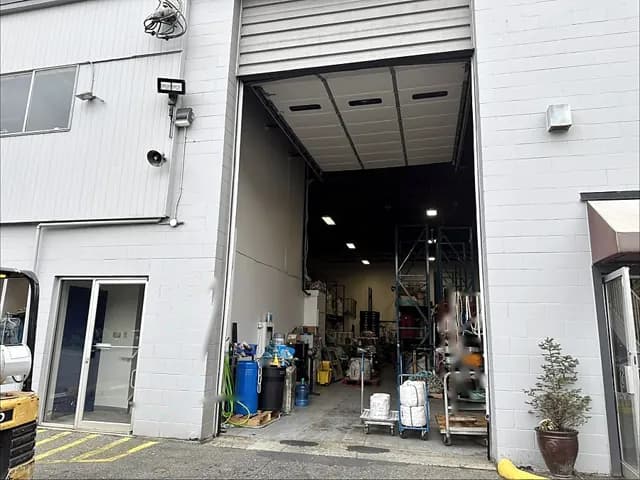
Heavy, high-cycle doors — springs, cables, drums, panels and sections brought back into service.
Preventive maintenance programs
Scheduled service visits for one door or a whole portfolio — logged, reported and reminded automatically.
Who we work with
- Strata & property management
- Warehouses & logistics
- Retail & storefronts
- Auto & fleet shops
- Industrial & manufacturing
- Residential parkades
Areas we coverRichmond and the rest of Metro Vancouver
Service area
Based in Richmond. Out across Metro Vancouver.
- Garage door repair Richmond
- Garage door repair Vancouver
- Garage door repair North Vancouver
- Garage door repair West Vancouver
- Garage door repair Burnaby
- Garage door repair New Westminster
- Garage door repair Port Moody
- Garage door repair Coquitlam
- Garage door repair Port Coquitlam
- Garage door repair Pitt Meadows
- Garage door repair Maple Ridge
- Garage door repair Surrey
- Garage door repair Delta
- Garage door repair Langley
- Garage door repair White Rock
Also out to Kitsilano, UBC & Point Grey, Deep Cove & Lynn Valley, Ladner & Tsawwassen, Fort Langley, Port Moody and Steveston — same crew, same trucks.
 Up & Down Garage DoorsUnit 3 – 12180 Horseshoe Way, Richmond, BC V7A 4V5Open 24 hours, 7 days · (778) 873-7282
We're based in Richmond and drive out across Metro Vancouver every day. Here's what we run into city by city — pick one for the full page on that area.
Richmond
Our home base. Being local means shorter drive times to most calls here, and we're familiar with the mix of older single-family homes and newer townhome developments across neighbourhoods like Steveston, Terra Nova, Brighouse, and Seafair.
Garage door service in RichmondVancouver
We cover Vancouver from the West Side through to South Vancouver and the West End — a mix of detached homes with standalone garages and townhome/strata complexes with shared garage access, both of which have different considerations for scheduling and access.
Garage door service in VancouverNorth & West Vancouver
The North Shore's steeper driveways and older housing stock come with their own quirks — we're used to working on doors mounted at odd angles or with less headroom than a standard install.
Garage door service in North & West VancouverBurnaby
Burnaby's hillier terrain and mix of older post-war homes with newer infill construction means garage door setups vary block to block. We service both.
Garage door service in BurnabyPort Moody
A smaller, denser service area for us, and close enough to Coquitlam that we often pick up calls in both on the same run.
Garage door service in Port MoodyCoquitlam & Port Coquitlam
We treat these as one coverage zone given how close together they are. Newer subdivisions here often have insulated sectional doors and smart openers, while older streets still have simpler setups.
Garage door service in Coquitlam & Port CoquitlamNew Westminster
Older housing stock and narrower lots here mean garage access can be tighter than in newer suburbs, which we plan for when scheduling a visit.
Garage door service in New WestminsterSurrey
One of our larger coverage areas by geography — from South Surrey through to the city centre. Drive times vary a fair bit depending on which part of Surrey you're in, which we're upfront about when you call.
Garage door service in SurreyDelta (Tsawwassen & Ladner)
Delta's low-lying, coastal geography means we see more moisture-related wear on wood panels and uncoated steel here than in some other areas — something we flag during inspections even if it's not what you called about.
Garage door service in DeltaWhite Rock
Our southernmost regular stop. Close to the border and to South Surrey, so we often combine White Rock calls with other South Surrey visits.
Garage door service in White RockLangley
One of our two furthest regular coverage areas, out at the eastern edge of what we cover. We still take same-day calls here, though the drive means agreeing a specific window matters more than it does closer in.
Garage door service in LangleyMaple Ridge & Pitt Meadows
Grouped together given their proximity, and the furthest east we regularly go. Semi-rural properties out here sometimes have detached garages or workshops with door setups that differ from a standard attached garage.
Garage door service in Maple Ridge & Pitt Meadows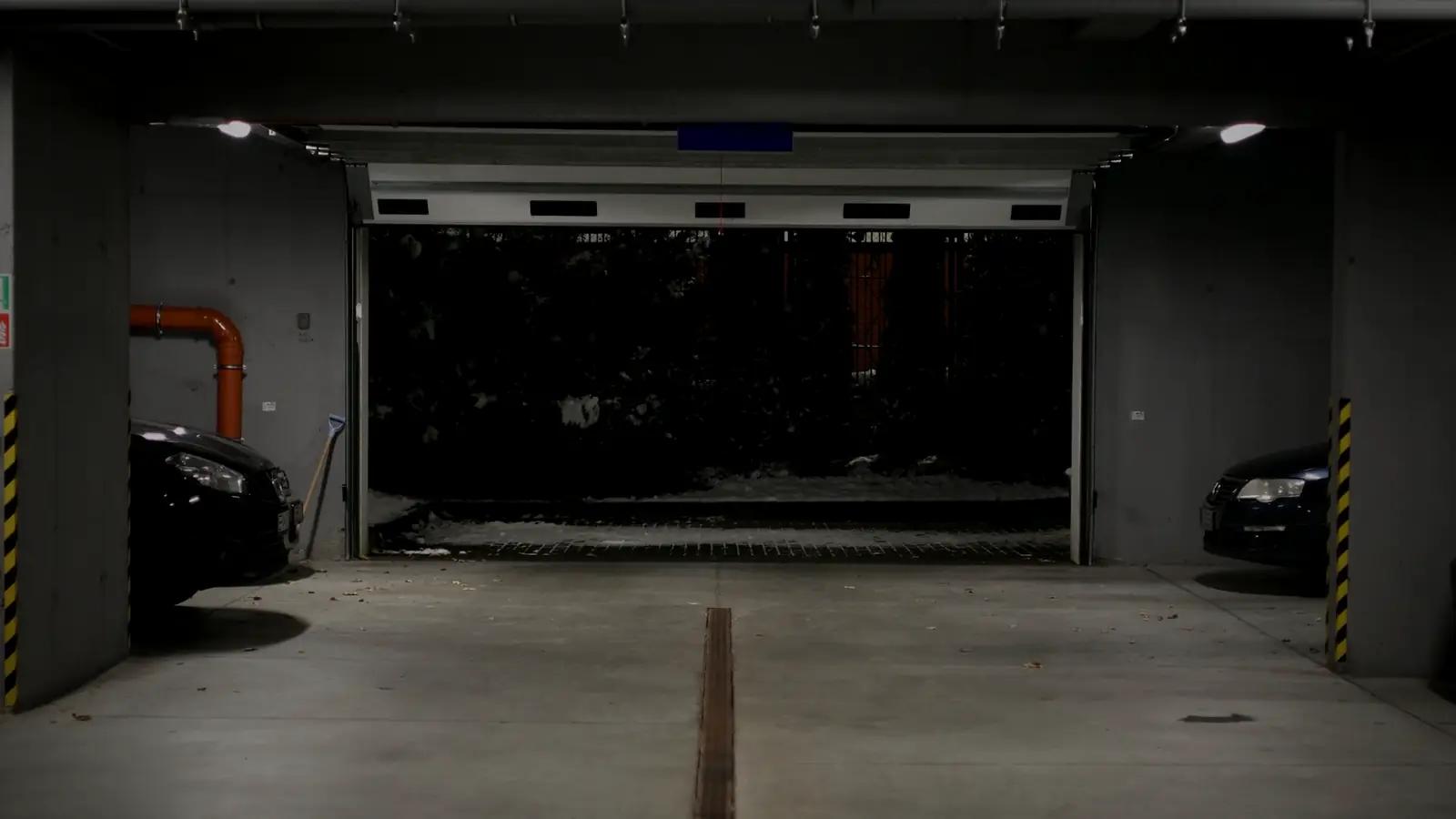
24/7 emergency
Car trapped? Door stuck open? We pick up.
Night, weekend or holiday — call and a real technician answers. We make it secure first, then fix it properly. No call centre, no runaround.
amazing service and great pricing. Fixed our mechanic shop door within 1 hour of the call. Super friendly and proffessional tech and no upselling which is rare to find. Would defently recommend to my friends. Thank you Up and Down Team!!!
My garage door suddenly stopped working, so I called Up and Down Garage Doors. They were able to come out the same day, which was a huge relief. The technician was friendly, professional, and easy to deal with. He did a full inspection at no extra charge and found a couple of issues I didn’t even know about. Everything was explained clearly, with no pressure, and all the repairs were completed the same day. The pricing was fair, and my garage door is working perfectly now. Great service from start to finish—I wouldn’t hesitate to recommend them.
I had a broken spring on my garage door and Max come in 30mins to safe my day. Prompt and professional job done, checked all other components making sure everything is working smooth again. Replaced all the bushings, lub the belt and adjust every blots too. Is such a comprehensive service that I haven’t experienced a long time in Canada. Thanks again!
Amazing service and excellent expertise. Max helped us switch out the motor of our garage door, and now it’s basically silent. He has amazing attention to detail, making sure to explain each step of the replacement. Additionally, he helped me set up the app associated with my new garage door, and explained the different settings to me. He is also punctual, helpful, and gave me advice on my other home improvement projects.
Why Up & Down
We look after your door like it’s our own.
We’re a local Richmond crew, not a call centre. The person who answers knows doors, the truck that shows up carries the parts, and we don’t leave until you’ve seen it work.
- Licensed and insured
- A firm, written price before any work starts
- Straight answers — we repair when a repair makes sense
- Every repair tested and explained before we leave
QuestionsAnswers to what people ask before calling
Questions
Answers to what people ask before calling.
Can I replace just one garage door cable, or do both need doing?
Is it safe to keep using a door that's making noise?
How do I know if I need a new opener or just a repair?
Do you work on doors in strata or townhome complexes?
Do you charge for a diagnostic visit if I don't go ahead with the repair?
How long does a typical spring replacement take?
Can you match the exact opener brand I already have installed?
Will you tell me if a repair isn't worth it and I should replace the door instead?
Ready when you are
Let’s get your door moving.
Book online in about a minute, or call any hour.