Strata Garage Door Service Coquitlam
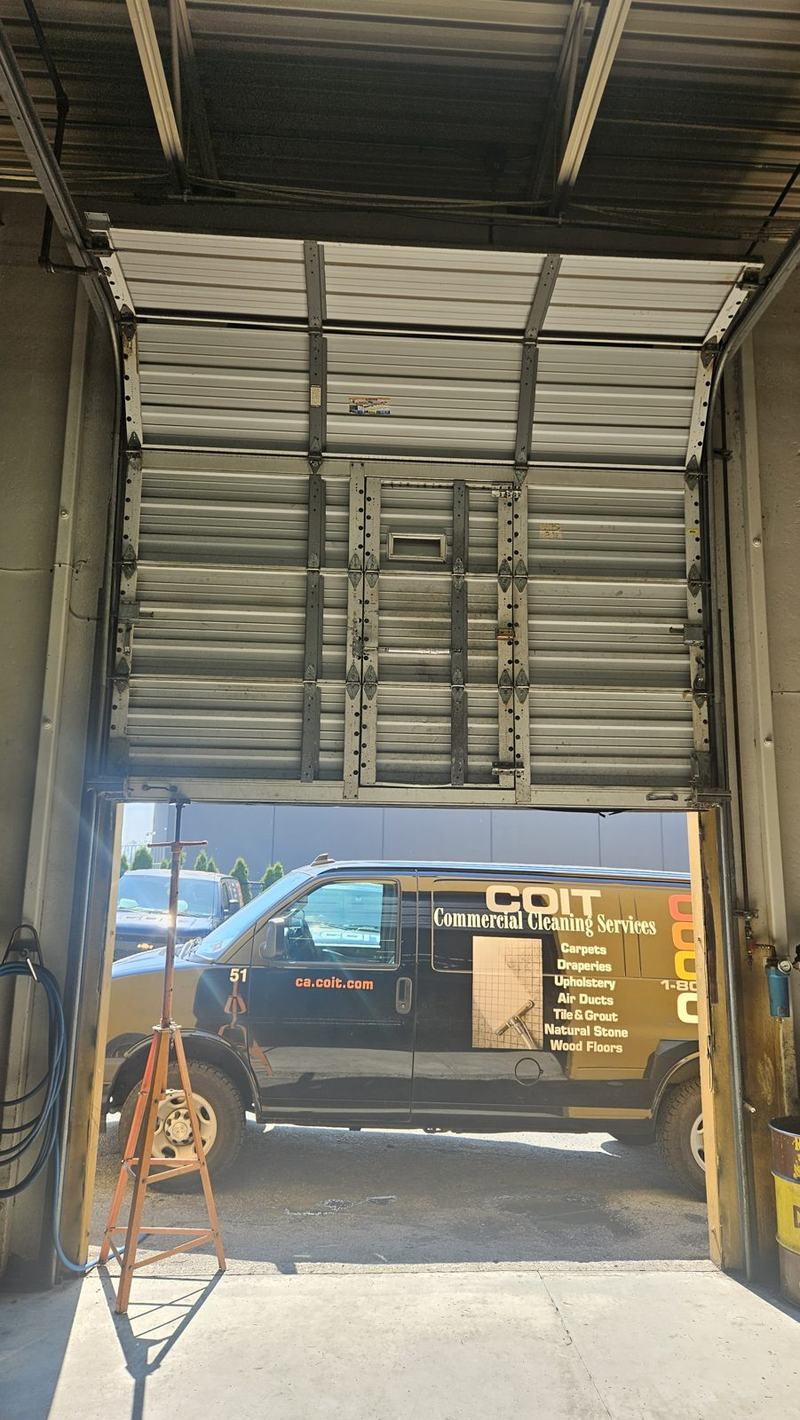
Strata properties in Coquitlam often feature shared garage access systems serving multiple units within townhouse complexes or low-rise apartment buildings. These systems typically use heavier-duty operators and reinforced door panels compared to single-family residential setups. Common failure points include worn trolley assemblies on chain or belt drives, which experience higher cycle counts due to frequent use by multiple residents. Misaligned safety sensors are another frequent issue, often caused by vibration from adjacent unit doors or accidental impacts during parking. Torsion springs in these systems are engineered for higher cycle life but still fatigue over time, especially when doors are operated unevenly—such as when one unit’s door is used significantly more than others. Cable fraying near the bottom bracket occurs when doors bind in the tracks, a problem exacerbated by debris accumulation in coastal-influenced areas like Coquitlam’s Burke Mountain or Westwood Plateau neighbourhoods, where wind-blown dirt and pine needles gather in track channels.
Impact of Shared Use on Maintenance Schedules
Unlike private residential doors, strata garage doors require maintenance protocols that account for cumulative usage across all units. A single door in a six-unit townhouse block may undergo 15-20 cycles per day, accelerating wear on components like rollers, hinges, and lift cables. Lubrication points on steel rollers and hinges dry out faster under this load, leading to increased friction and noisy operation. Track misalignment develops gradually as the door’s weight shifts slightly with each cycle, particularly if the concrete slab beneath has settled unevenly—a known issue in parts of Coquitlam built on glacial till soils near the Fraser River floodplain. Regular maintenance must include checking the balance of each door individually, as an unbalanced door in one unit places extra strain on the shared header and opener system, risking premature failure that affects all residents.
Operator and Control System Considerations
Strata garage door operators in Coquitlam often incorporate multi-user access controls such as keypads, RFID fobs, or smartphone-integrated systems to manage entry for residents and service personnel. These systems add complexity beyond standard residential openers. Failures in the control logic board can result from power surges common during winter storms or from moisture ingress in units located near underground parking levels with poor ventilation. Antenna wiring for remote receivers is frequently damaged during renovations when contractors drill through header walls without checking for low-voltage lines. Operator gears, particularly in worm-drive systems, wear prematurely when doors are forced open manually during power outages—a scenario that occurs more often in strata buildings where residents may not know the manual release procedure. Regular testing of battery backups and manual release cords is essential to ensure functionality during outages, especially in buildings with underground parking where alternative exits may be limited.
Door Panel and Hardware Durability
The door panels themselves in strata applications are typically constructed from 24-gauge galvanized steel with polystyrene or polyurethane insulation, chosen for durability and sound dampening between units. Panel damage often occurs at the bottom section from impacts with vehicle bumpers or snow-clearing equipment in winter. In coastal-adjacent areas of Coquitlam like those near the Pitt River, salt-laden air accelerates corrosion at panel seams and hardware mounting points, necessitating more frequent inspection of fasteners and end stiles. Hinge wear is concentrated at the top rollers where the door’s weight shifts during travel, and nylon rollers may develop flat spots from prolonged stationary periods—common in visitor parking spaces that see infrequent use. Cable drums require checking for correct cable winding; overlapping or crossed cables indicate a need for immediate adjustment to prevent sudden door drop.
Safety System Compliance in Shared Spaces
Safety systems in strata garage doors must meet stringent requirements due to the higher risk of pedestrian contact in shared access zones. Photoelectric sensors are mounted lower than in residential applications to detect children, pets, or mobility aids crossing the threshold. These sensors are prone to false trips from condensation in damp Coquitlam winters or from dust kicked up by active use in underground lots. The reverse-on-contact mechanism, tested by placing a 2×4 on the floor, must function correctly to prevent entrapment—this is especially critical in buildings with elderly residents or delivery personnel using carts. Emergency release cords must be clearly marked and accessible from inside the garage, a requirement that is sometimes overlooked when units are renovated and storage is placed near the door header. Annual testing of these systems is not just recommended; it is a liability consideration for strata councils managing common property.
Frequently Asked Questions
How often should strata garage doors be serviced in Coquitlam?
Service intervals depend on the number of units and daily usage cycles, but a minimum of twice yearly is recommended for most townhouse and low-rise apartment complexes in Coquitlam. Properties near industrial zones or with underground parking may require quarterly checks due to increased debris and moisture exposure. Each service should include balance testing, lubrication of all moving parts, inspection of cables and springs for wear, and verification of safety systems.
Can one malfunctioning door affect the entire strata system?
Yes, in systems where multiple doors share a single operator or header structure—common in older townhouse builds—an unbalanced or binding door in one unit places uneven load on the shared components. This can accelerate wear on the operator gear, trolley, or header brackets, potentially leading to system-wide failure. Isolating the issue to the affected door through individual balance checks prevents unnecessary replacement of shared hardware.
What materials are best suited for Coquitlam’s climate in strata applications?
Galvanized steel panels with a minimum G90 coating rating resist corrosion effectively in Coquitlam’s humid continental climate, particularly in areas with higher rainfall like the Fraser River delta. Nylon-coated or stainless steel cables offer improved longevity over standard steel in damp conditions. For operators, units with sealed gearboxes and conformal-coated circuit boards perform better in environments subject to temperature swings and moisture, such as those found in underground parking levels or above-grade garages in neighbourhoods like Austin Heights.