

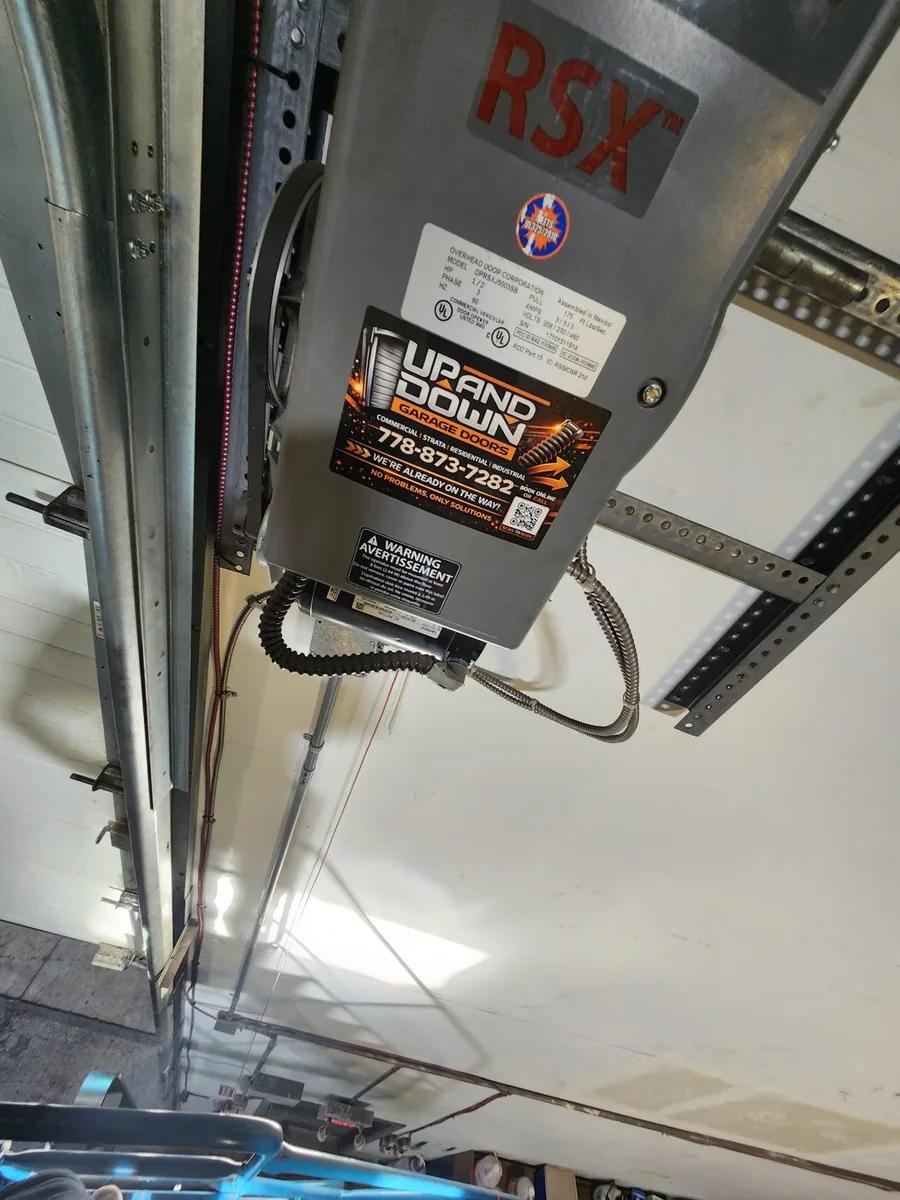
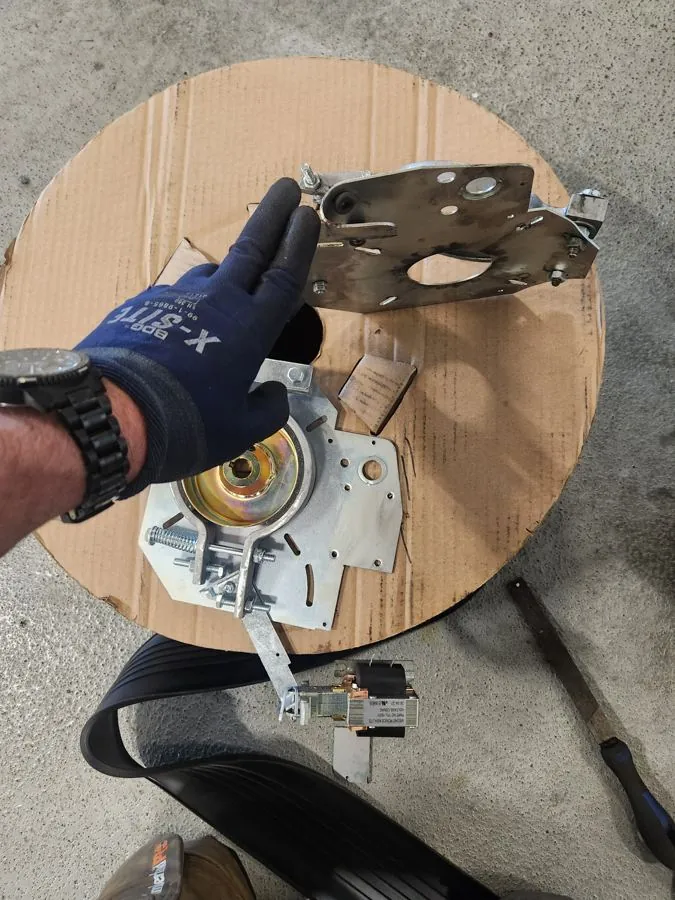
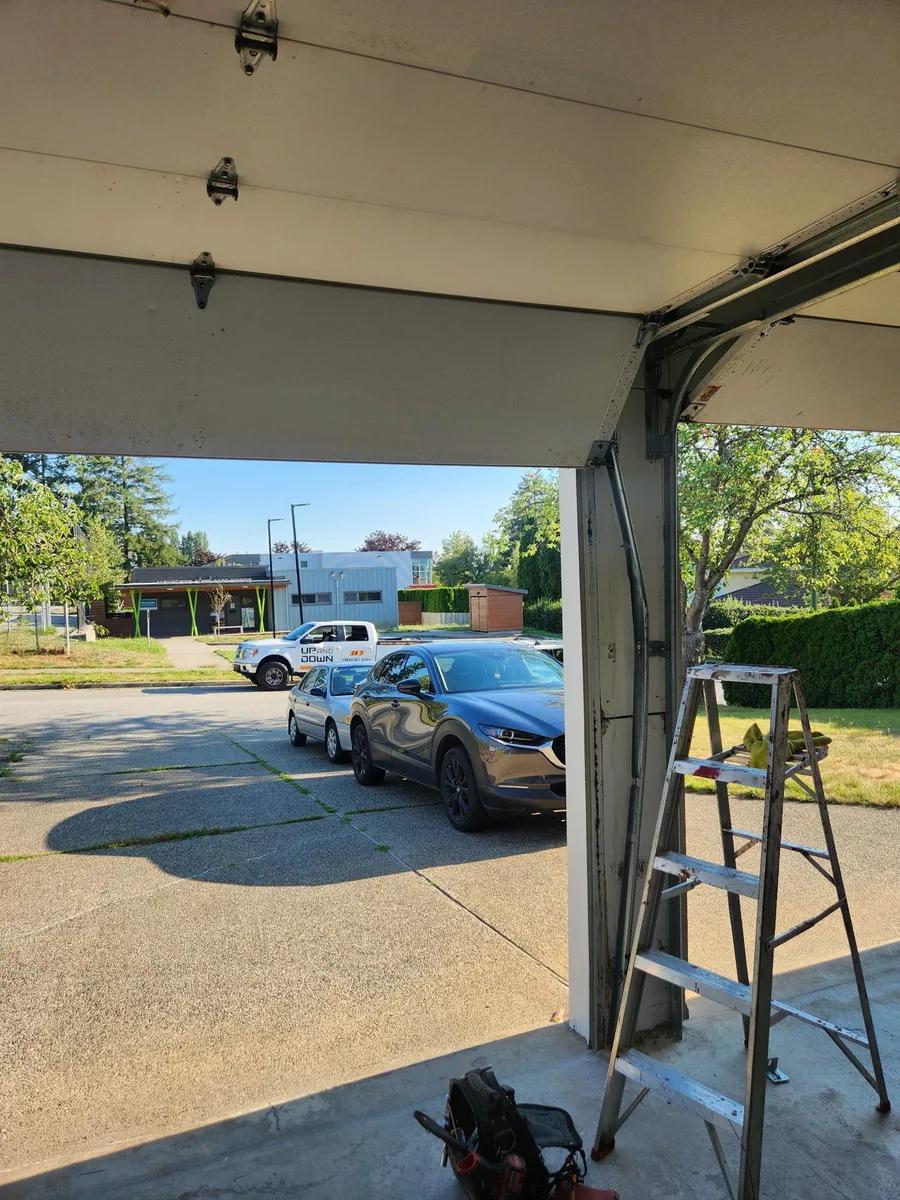
Garage Door Opener Repair, Metro Vancouver
We diagnose and repair LiftMaster and Chamberlain residential openers. Many opener problems that look like a dead motor are actually a logic board fault, a sensor misalignment, a stripped gear, or a remote that needs reprogramming, repairs that cost a fraction of a replacement.
Common Problems We Fix
Door reverses before fully closing
usually a safety sensor alignment issue (the two small units near the floor on each side of the door). Laser must be unobstructed and aimed at each other.
Motor runs but door does not move
often a stripped plastic drive gear inside the motor head. Replaceable part, much cheaper than a new unit.
Remote stopped working
can be a dead battery, a deprogrammed remote, or a faulty receiver. We test all three before recommending anything.
Opener hums but does not start
possible capacitor failure or seized motor. Depends on the unit age and model.
Door opens but will not close via remote
frequently the wall button works but remote does not, which points to the receiver antenna.
Limit settings off
door does not open or close completely. Adjustment on the unit, no parts required.
When Replacement Makes More Sense
If the motor head is more than 15 years old and has had multiple failures, we will say so. Putting $200 in parts into a 20-year-old unit that does not have battery backup or smart home capability does not always make sense. We will give you a straight answer.
LiftMaster Models We Install & Repair
We work on the current LiftMaster lineup and keep older units running for as long as they’ll last:
Current models:
Also worth a look: adjusting your opener’s limit switches · tightening loose limit-switch hardware.
Quick Checks Before You Book Garage Door Opener Repair
- Power. Is the opener light on? Check the outlet, and any GFCI outlet in the garage that may have tripped.
- Lock mode. Many wall controls have a lock button that disables remotes. A flashing light on the wall control often means lock is on.
- Remote battery. If the wall button works but the remote does not, start with the battery.
- Manual release. If the red cord was pulled, the opener runs but the door does not move. Pull it toward the motor to re-engage, with the door closed.
- Sensors. If the door goes down a little and then reverses, look at the safety sensors near the floor.
Safety Sensor Trouble
The two small sensors at the bottom of the tracks must see each other or the door will not close. Low winter sun shining straight into the garage, a wet or dirty lens, a bracket knocked by a bin or a loose wire are the usual causes. Wipe the lenses and check that both indicator lights are steady. Our sensor troubleshooting guide walks through it step by step.
When the Problem Is the Door, Not the Opener
An opener that strains, stalls part-way or reverses for no reason is often working against a door that has lost its balance. A tired spring, a frayed cable or a seized roller makes the door heavier than the opener was set for. Replacing the opener will not fix that. During garage door opener repair we disconnect the opener and lift the door by hand to check the balance before we blame the motor.
Repair or Replace: How We Decide
We repair when the opener is a model we can still get parts for and the fault is a single part: a gear, a board, a sensor or a wall control. We suggest replacing when the unit is old enough that parts are hard to find, when it lacks safety sensors, or when the repair would cost close to a new opener. You get both prices and make the call. If you replace it, see opener installation.