Services
Locations
📞 (778) 873-7282
Home / Blog / How Long Does Garage Door Lifting Cable Last: Lifespan & Wear Signs

How Long Does Garage Door Lifting Cable Last: Lifespan & Wear Signs

Garage door lifting cables typically last 8-12 years. Learn what causes wear, how to spot fraying or corrosion, and when to call a pro for safe replacement.

Call (778) 873-7282
Licensed & insured
Open 24 hours
Based in Richmond
5-star rated

Garage door lifting cables typically last between 8 and 12 years under normal residential use. This lifespan depends on factors like door weight, frequency of use, environmental exposure, and maintenance habits. Cables are subject to constant tension and friction, which gradually degrade the steel strands over time. Understanding what wears them out helps homeowners anticipate replacement before sudden failure occurs.

How Lifting Cables Function in the System
Lifting cables are steel strands that run from the bottom bracket of the door, over the drum at the top, and attach to the torsion spring assembly. When the door opens, the springs unwind and turn the drum, winding the cable and lifting the door. When closing, the process reverses. These cables bear the full weight of the door during operation, experiencing high tension with every cycle. Over time, this repeated stress causes microscopic wear on the individual wires within the cable strand.
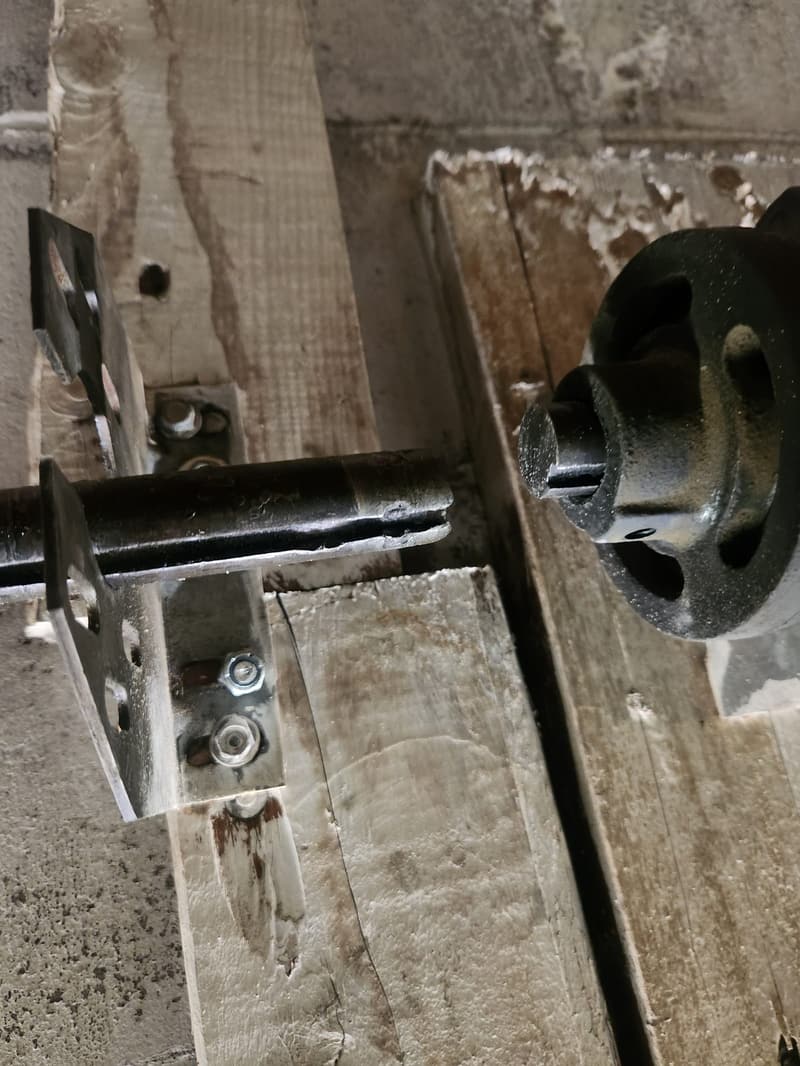
snapped torsion spring on the garage door shaft
Snapped torsion spring on the garage door shaft.

Common Causes of Cable Wear and Degradation
Friction against the drum and pulleys is the primary wear mechanism. Each time the door moves, the cable rubs against these metal components, slowly abrading the outer strands. Moisture and road salt (especially in coastal or winter-exposed areas of Metro Vancouver) can lead to corrosion, weakening the steel. Lack of lubrication on moving parts increases friction, accelerating wear. Doors that are unbalanced or have worn rollers place uneven load on the cables, causing one side to deteriorate faster than the other.

What Cable Failure Looks and Sounds Like
Before a cable snaps, you may notice visible fraying—individual wires sticking out like a frayed rope end. Corrosion appears as white rust or pitting on the surface. Audible signs include a squeaking or scraping noise during operation, particularly if the cable is rubbing against a damaged drum. In some cases, the door may jerk or hang unevenly when moving, indicating one cable is losing tension. A sudden loud bang followed by the door dropping unevenly signals a complete cable break.

What Homeowners Can Safely Inspect Themselves
You can visually inspect the cables by closing the door and using a flashlight to examine the entire length, especially near the bottom bracket and where the cable wraps around the drum. Look for broken strands, rust, or kinks. Listen for unusual noises during manual operation (disconnect the opener first). Check that the cable sits neatly in the drum groove without overlapping or crossing. Never attempt to adjust or remove cables while the door is under tension—this requires releasing the torsion springs, which stores dangerous energy.

Why Cable Replacement Is Not a DIY Job
Replacing lifting cables involves working with the torsion spring system, which remains under high tension even when the door is closed. Releasing or adjusting these springs without proper tools and training can cause sudden, violent movement, resulting in serious injury or death. The cables must be precisely sized and installed to match the door’s weight and drum specifications. Incorrect installation can lead to premature wear, door imbalance, or failure. This task requires specialized winding bars, tension gauges, and mechanical expertise.

When to Schedule Professional Inspection or Replacement
If your garage door is approaching 8 years old, or if you notice any signs of wear during inspection, schedule a professional evaluation. Strata councils should include cable checks in annual maintenance routines for shared garages. A technician will measure cable tension, assess drum and spring condition, and replace cables with galvanized or aircraft-grade steel appropriate for your door’s specifications. Preventive replacement avoids emergency failures and protects the opener and other components.

Frequently Asked Questions
### Can I lubricate the garage door lifting cable myself?
Yes, you can apply a silicone-based lubricant to the cable to reduce friction and slow corrosion, but avoid petroleum-based products that attract dust. Focus on the sections that bend around the drum and pulleys. Lubrication helps maintain smooth operation but does not reverse existing wear or replace the need for eventual cable replacement.

How do I know if my garage door cables are the right size?
Cable size is determined by the door’s height, weight, and the drum’s circumference. A technician measures the existing cable or calculates specifications from the door model and spring size. Using incorrect cable diameter or construction can lead to slippage on the drum or premature fatigue under load.

What type of steel is best for garage door lifting cables in BC’s climate?
Galvanized steel cable is standard for corrosion resistance in moist environments. For coastal areas or locations with frequent salt exposure, stainless steel or aircraft-grade cable offers better longevity. A local technician will recommend the appropriate grade based on your specific exposure and door usage patterns.

Stuck door? Let's get it moving.

One call, a clear price, and the job done right — 24/7 across Metro Vancouver.

📞 Call (778) 873-7282