Garage door lifting cables are critical safety components that bear the full weight of the door during operation. When they fray, corrode, or snap, the door can drop suddenly or become unbalanced, creating a serious hazard. Recognizing early signs of wear helps prevent failure and keeps the system operating safely. You don’t need to be a technician to spot many of these issues—just know what to look and listen for during routine use.
Signs Garage Door Lifting Cable Needs Replacing — Visual Signs of Cable Wear
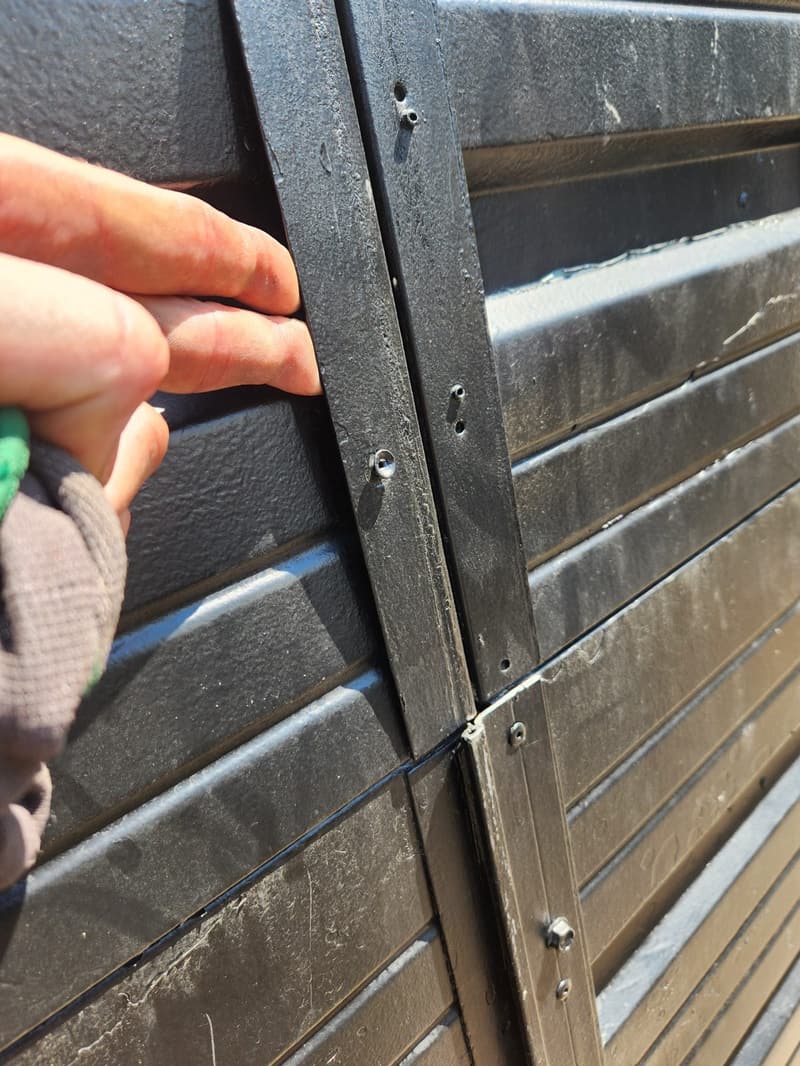
Start by inspecting the cables where they attach to the bottom bracket on each side of the door. Look for broken strands, rust, or kinks in the steel. Fraying often appears as fuzzy or protruding wires, especially near the drum or where the cable bends over the pulley. Discoloration or white powdery residue indicates corrosion, which weakens the metal over time. If the cable looks flattened or twisted instead of round, it’s likely been rubbing against something and is compromised. Any visible damage means the cable should be replaced immediately—do not operate the door.
Audible Clues During Operation
Listen for unusual noises when the door moves. A loud slapping or tapping sound often means a strand has broken and is hitting the track or roller. A grinding or squealing noise near the top of the door could indicate the cable is frayed and catching on the drum or pulley. These sounds usually start intermittently and worsen as damage progresses. If you hear anything new or irregular, stop using the door and inspect the cables. Normal operation should be smooth and quiet, with only the motor and rollers audible.
Door Movement and Balance Issues
A failing cable can cause the door to move unevenly. Watch for one side lagging or jerking while the other moves smoothly—this often means that side’s cable is damaged and not carrying its share of the load. You might also see the door sag at one corner when closed or appear crooked in the opening. Test balance by disconnecting the opener and lifting the door manually to waist height; it should stay put. If it falls or rises on its own, the springs or cables are out of balance. Never adjust springs yourself—they store lethal energy.
What You Can Safely Check Yourself
Homeowners can and should perform visual and operational checks monthly. With the door closed, examine both cables for wear, corrosion, or loose fittings. Operate the door and listen for abnormal sounds. Check that the door moves evenly and doesn’t bind in the tracks. Keep the tracks clean and lubricate rollers with silicone-based spray—but never apply lubricant to the cables themselves, as it attracts dust and accelerates wear. If anything seems off, stop using the door and call a technician.
Why DIY Replacement Is Not Recommended
Replacing lifting cables involves working under high tension from the torsion or extension springs. Even if the cable is broken, the springs remain loaded and can release violently if mishandled. Winding bars, cable drums, and spring cones require specific tools and training to handle safely. A mistake can cause severe injury or death. While inspecting and basic maintenance are safe DIY tasks, cable replacement, spring adjustment, or drum work must be left to qualified technicians who understand the forces involved.
Risks of Ignoring Cable Damage
A snapped cable can cause the door to fall rapidly, potentially damaging vehicles, injuring people, or trapping someone underneath. An unbalanced door puts extra strain on the opener, rollers, and tracks, leading to cascading failures. Corrosion or fraying worsens with use and environmental exposure—especially in Metro Vancouver’s damp climate. Addressing cable wear early prevents emergency repairs and extends the life of the entire system. Treat cable inspection as routine safety maintenance, not an optional task.
Frequently Asked Questions
How long do garage door lifting cables typically last?
Lifting cables usually last between 8 to 12 years under normal use, but this varies based on frequency of operation, maintenance, and environmental conditions. Coastal humidity or frequent use can shorten their lifespan. Regular inspection is the best way to determine actual wear rather than relying on time alone.
Can I replace just one cable if the other looks fine?
No—cables should always be replaced in pairs, even if only one shows visible wear. The other cable has undergone the same stress and age, and replacing only one creates imbalance and uneven wear on the new cable. Replacing both ensures consistent performance and safety.
What causes cables to fray or break besides age?
Misaligned tracks, damaged rollers, or a bent drum can cause cables to rub against metal edges, leading to fraying. Lack of lubrication on moving parts increases friction and wear. In rare cases, manufacturing defects or improper installation contribute to premature failure. A technician can identify the root cause during replacement.
If you’ve noticed any of these signs and need a professional inspection or cable replacement, contact Up & Down Garage Doors at (778) 873-7282.