Understanding Torsion and Extension Spring Systems
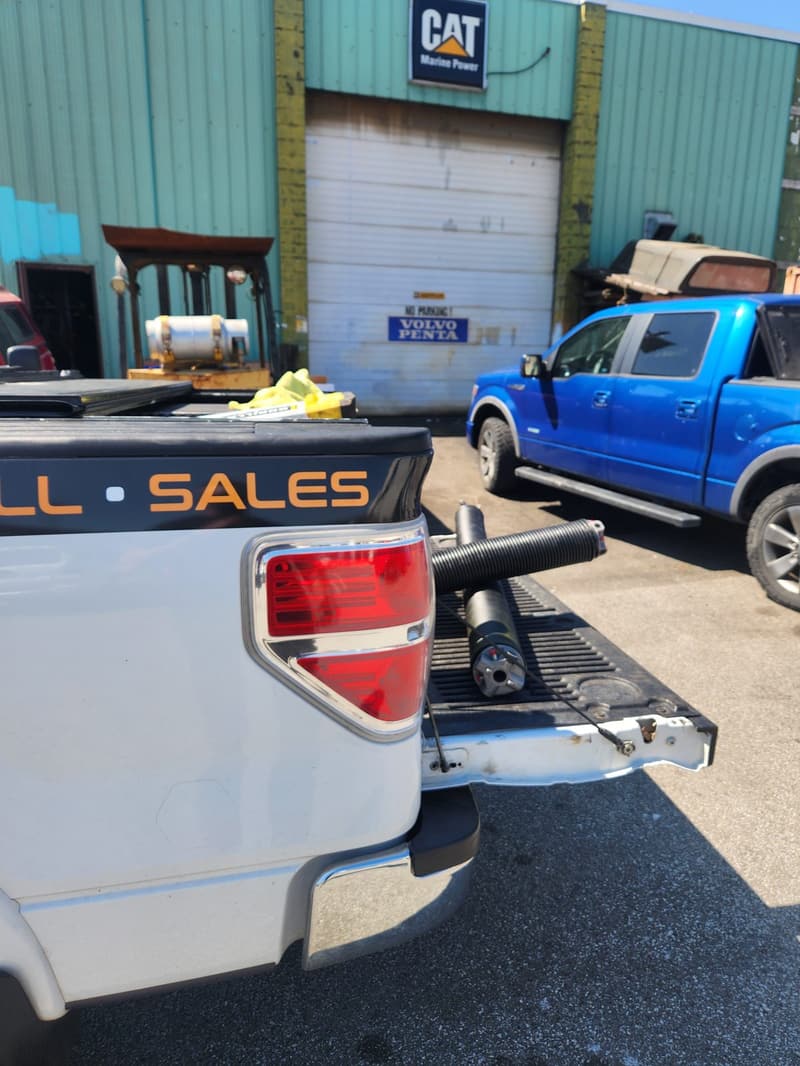
Residential garage doors in Port Moody typically use either torsion springs mounted above the door or extension springs running along the horizontal tracks. Torsion springs store energy by twisting; extension springs stretch and contract. Both are under extreme tension—often exceeding 200 pounds of force—and are calibrated to the door’s weight, which varies by material, insulation, and size. A single-car steel door might weigh 150 pounds; a double-car insulated wood composite can exceed 400. When a spring fails, that stored energy releases suddenly, which is why attempting DIY repair is extremely hazardous. The failure isn’t just a broken coil—it’s a loss of counterbalance that can cause the door to slam shut, hang unevenly, or become impossible to lift manually.
Common Failure Modes in Port Moody’s Climate
Port Moody’s coastal climate brings fluctuating humidity, winter freezing, and salt-laden air from nearby Burrard Inlet, all of which accelerate spring degradation. Rust forms on the spring coils, creating stress points where the metal fatigues. Cold temperatures make steel more brittle, increasing the likelihood of sudden fracture during contraction cycles. In neighbourhoods like Heritage Mountain or Anmore-adjacent zones, where larger homes often have heavier, insulated doors, springs endure more cycles per day. Extension springs are particularly vulnerable to corrosion at the hooks and loops where they attach to brackets and pulleys. Torsion springs frequently fail at the winding cones or along the spring’s length due to metal fatigue from repeated torsion. A loud bang in the garage is often the first sign—a sound residents near Ioco Road or Murray Street might mistake for a backfiring vehicle.
Why Spring Replacement Requires Precision
Replacing a garage door spring isn’t just about installing a new coil. The spring must be matched precisely to the door’s weight, which requires disconnecting the opener, manually lifting the door to neutral, and measuring resistance. Using a spring that’s too strong makes the door hard to close and strains the opener; too weak, and the door won’t stay open or slams shut. Technicians use winding bars to safely tension torsion springs, adhering to industry-standard turn counts based on wire diameter, length, and inner diameter. Extension springs require careful adjustment of pulley cables and safety cables to prevent whipping if they fail again. Older homes in Port Moody’s original townsite near Clarke Road may have non-standard spring configurations or outdated hardware, necessitating custom fabrication or adapter brackets to ensure proper fit and function.
Safety Systems and Secondary Checks
Every spring repair includes a verification of accompanying safety features. Extension springs must have safety cables running through their center to contain them if they break—a requirement often missing in older installations. Technicians inspect cables for fraying, pulleys for wear, and brackets for loosening due to vibration. The door’s alignment is checked: if it binds in the tracks or shows uneven gaps, it indicates underlying issues like track misalignment or roller failure that could precipitate another spring break. The emergency release cord is tested to ensure it disengages the opener properly. In areas like Barber Street or St. Johns Street, where older garages may have wooden doors that have warped over time, the door’s geometry is assessed to ensure it moves freely without binding, which could mimic spring failure symptoms.
Post-Repair Calibration and Operation Testing
After installation, the door undergoes multiple full cycles to verify balance. The technician lifts the door manually to waist height—it should stay put without drifting up or down. The opener’s force settings are checked and adjusted if necessary, as a new spring changes the load profile. Door speed and smoothness are observed; any hesitation or jerking suggests residual friction in the rollers or tracks. Weather seals at the bottom are inspected for proper compression, as a door that doesn’t seal well increases energy loss—a consideration in Port Moody’s variable temperatures. The work area is cleared of tools, debris, and old spring fragments, which can be sharp and hazardous. Homeowners receive guidance on what normal operation sounds and feels like, so they can detect early signs of wear in the future.
Frequently Asked Questions
How long does a garage door spring typically last?
Most torsion springs are rated for 10,000 to 15,000 cycles—one cycle being a full open and close. For a household using the garage door twice daily, that’s roughly 7 to 10 years. Extension springs often have shorter lifespans due to greater exposure to environmental wear and simpler construction. Factors like door weight, frequency of use, lack of lubrication, and coastal corrosion in Port Moody can reduce this significantly.
Can I replace just one spring if the other looks fine?
No. Springs should always be replaced in pairs, even if only one appears broken. The unbroken spring has undergone the same number of cycles and is equally weakened. Replacing only one creates imbalance, leading to uneven door movement, premature wear on the new spring, and potential safety hazards. Matching both sides ensures consistent tension and predictable operation.
What maintenance can extend spring life?
Lubricate the springs three to four times a year with a silicone-based garage door lubricant—never WD-40, which attracts dirt and doesn’t provide lasting protection. Focus on the coils and winding cones, wiping off excess to prevent drips. Inspect visually for rust, gaps in the coils, or stretching. Keep the door tracks clean and rollers lubricated to reduce strain on the springs. Avoid hanging heavy objects on the door, as extra weight increases the load the springs must counterbalance.