Services
Locations
📞 (778) 873-7282
Home / Blog / Garage Door Closes Then Reopens: Lifting Cable Problem Explained

Garage Door Closes Then Reopens: Lifting Cable Problem Explained

Learn why a garage door closes then immediately reopens, focusing on lifting cable issues. Call (778) 873-7282.

Call (778) 873-7282
Licensed & insured
Open 24 hours
Based in Richmond
5-star rated

When a garage door closes and then immediately reopens, the issue is often related to the lifting cable system rather than the opener itself. This symptom typically indicates that the door is not descending fully or evenly, triggering the opener’s safety reverse mechanism due to perceived obstruction. The lifting cables, which run from the bottom brackets to the drum or pulley system, are responsible for carrying the door’s weight during operation. If one cable becomes frayed, disconnected, or loses tension, the door can tilt or bind as it closes, causing the opener to detect abnormal resistance and reverse direction. This is a common diagnostic scenario in residential garage doors across Metro Vancouver, especially in older installations or those exposed to moisture and infrequent maintenance.

Garage Door Closes Then Reopens Lifting Cable Problem
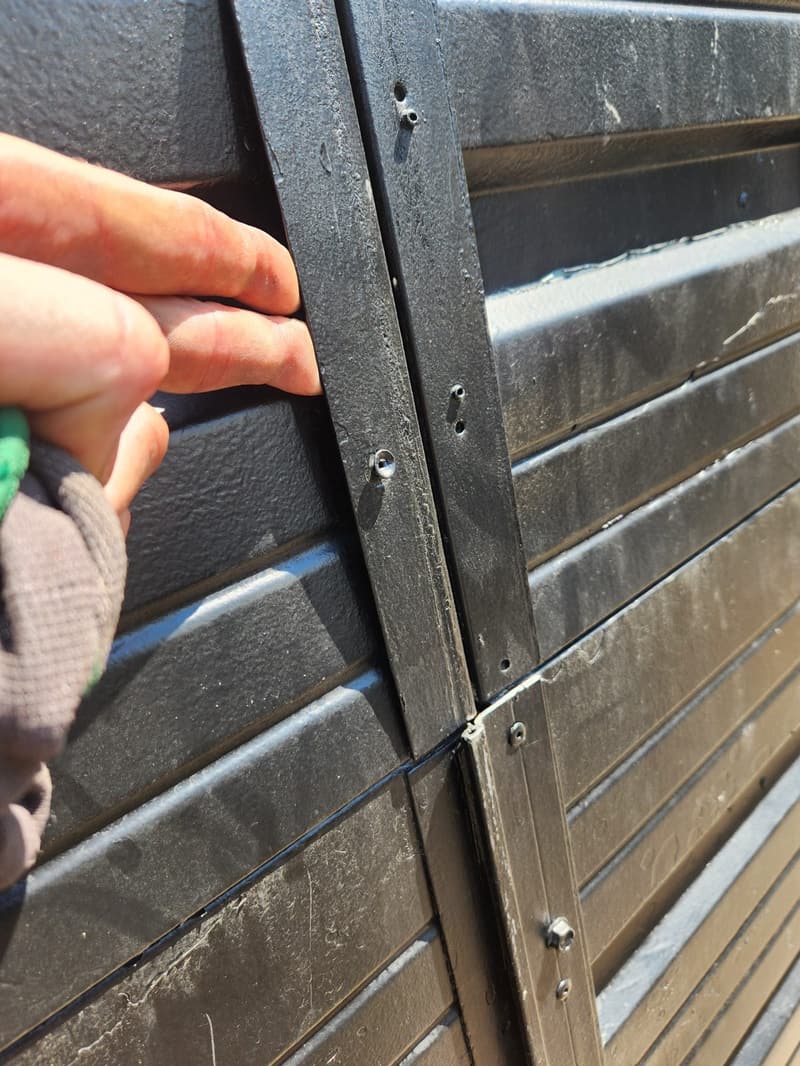
Garage Door Closes Then Reopens Lifting Cable Problem — garage door cable and hardware repair
Garage Door Closes Then Reopens Lifting Cable Problem — real job photo, Up & Down Garage Doors.

Signs of a Failing or Damaged Lifting Cable
A lifting cable problem often presents with specific visual and auditory cues. You may notice the door closing unevenly — one side lower than the other — or hear a sudden snapping or scraping noise during descent. Visually, inspect the cables near the bottom brackets and around the drum or pulleys for fraying, rust, kinks, or complete separation. A cable that has lost tension may appear slack while the opposite side remains tight. In some cases, the door may jerk or shudder as it closes before reversing. These symptoms indicate that the door is binding or tilting, which the opener interprets as an obstruction, triggering the safety reverse.

What Causes Lifting Cables to Fail
Cable failure typically results from wear, corrosion, or improper installation. Over time, the constant flexing and load cycling cause metal fatigue, especially at stress points like the bottom bracket or where the cable wraps around the drum. Exposure to moisture, road salt (in coastal or winter-prone areas), or lack of lubrication accelerates rust and weakens the steel strands. Improper tensioning during installation or adjustment can also lead to uneven load distribution, causing one cable to bear more stress than the other. In rare cases, a cable may jump off the drum or pulley due to misalignment or a damaged component, resulting in sudden loss of tension on one side.

What Homeowners Can Safely Check Themselves
Before calling a technician, homeowners can perform a few visual and operational checks. With the door fully closed, inspect both lifting cables for signs of fraying, rust, or disconnection at the bottom bracket and drum/pulley ends. Operate the door manually (after disconnecting the opener) to observe if it moves smoothly and stays level throughout travel. Listen for unusual noises and watch for tilting or jerking. If the door binds or one side drops noticeably, stop operation immediately. Do not attempt to adjust, tension, or replace cables if they are part of a torsion spring system — these components store dangerous levels of energy and can cause severe injury if mishandled.

Why DIY Cable Repair Is Not Recommended
Lifting cables are under constant tension, especially when connected to a torsion spring system. Attempting to remove, adjust, or replace a cable without proper training and tools can result in sudden release of stored energy, causing the cable or spring to whip violently. This poses a serious risk of laceration, impact injury, or worse. Even in extension spring systems, improper handling can lead to loss of control over the door’s movement. Cable replacement requires precise tensioning, tracking, and synchronization between both sides to ensure safe, balanced operation. These tasks should only be performed by experienced technicians who understand the mechanics and safety protocols involved.

When to Call a Professional Garage Door Technician
If you observe frayed cables, uneven door movement, or hear abnormal noises during closing, it’s time to schedule a professional inspection. A technician will assess cable condition, check drum and pulley alignment, verify spring tension, and ensure the entire lifting system operates symmetrically. They can replace damaged cables, re-tension the system, and lubricate components to prevent recurrence. Addressing cable issues early prevents further damage to the door panels, tracks, or opener mechanism and restores reliable, safe operation.

Frequently Asked Questions
### Can a lifting cable issue be mistaken for an opener problem?
Yes, because the symptom — door closing then reversing — often leads homeowners to suspect the opener. However, if the opener motor runs normally and the door moves unevenly or binds during descent, the root cause is likely mechanical, such as a cable or spring issue, not the opener itself.

Is it safe to use the garage door if one cable looks worn but not broken?
No. A worn cable is compromised and could fail suddenly during operation, leading to a rapid loss of tension on one side. This can cause the door to tilt violently, potentially damaging the door, tracks, or opener, and creating a safety hazard.

How often should lifting cables be inspected?
Lifting cables should be visually inspected at least twice a year, ideally during seasonal maintenance checks. Look for signs of wear, rust, or fraying, and listen for abnormal noises during operation. Early detection helps prevent unexpected failure and costly repairs.

Stuck door? Let's get it moving.

One call, a clear price, and the job done right — 24/7 across Metro Vancouver.

📞 Call (778) 873-7282