Common Cable Failure Modes in Coastal Climates
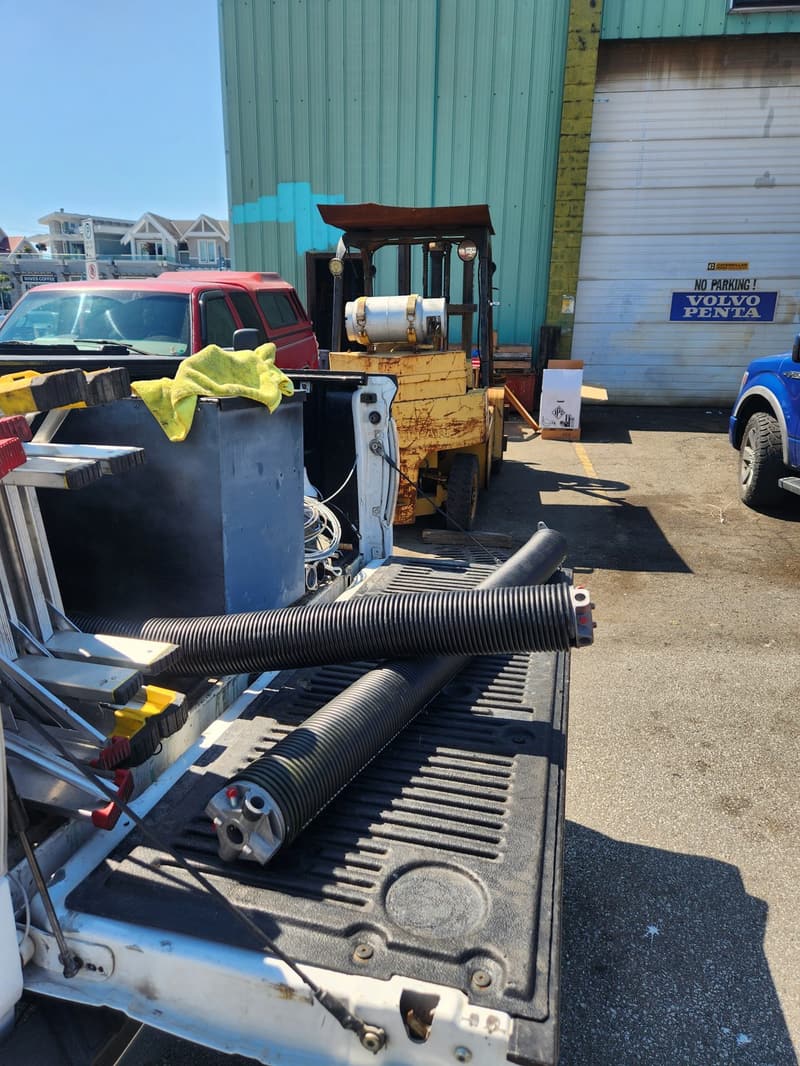
Garage door cables in North Vancouver face unique stress from the region’s persistent moisture and salt-laden air, particularly in neighbourhoods like Lynn Valley and Edgemont where elevation changes increase wind exposure. The galvanized steel aircraft cable, typically 1/8 inch diameter with 7×19 construction, is prone to two primary failure modes: internal corrosion and abrasive wear. Internal corrosion occurs when moisture penetrates between the cable strands, invisible from the outside but weakening the core tensile strength. This is especially common in homes near the Capilano River or Mosquito Creek where humidity remains high year-round. Abrasive wear happens at the cable drums and bottom brackets where the cable bends sharply during operation, exacerbated by misaligned tracks or worn rollers that cause lateral tracking.
Why Cable Tension Matters More Than You Think
Cables don’t just lift the door; they synchronize the movement of both sides through the torsion spring system. When one cable frays or stretches unevenly, it creates a dangerous imbalance. In North Vancouver’s older housing stock—particularly the 1970s split-levels in Highland Park or the 1980s townhouses along Lynn Creek—doors often exceed 200 pounds due to solid wood construction or added insulation. A failing cable on one side causes the door to jerk, bind in the tracks, or hang crookedly, placing excessive load on the remaining cable and springs. This isn’t just inconvenient; it risks sudden cable snap, which can whip the cable with enough force to damage vehicles, puncture drywall, or cause serious injury. Technicians measure tension with a cable tensiometer to ensure both sides pull within 5% of each other after repair.
The Repair Process: Beyond Simply Replacing Cable
Effective cable repair starts with diagnosing why the cable failed. Simply installing new cable on a misaligned system guarantees repeat failure. Technicians first disconnect the opener and manually operate the door to check for binding points, focusing on the vertical and horizontal track sections common in North Vancouver garages with limited ceiling height. They inspect the cable drums for grooves or burrs that shred new cable, check the bottom brackets for rust-induced elongation (a frequent issue in homes near the Indian River where groundwater affects concrete slabs), and verify roller condition. Only after addressing root causes—like replacing worn drums, realigning tracks, or lubricating bearings with silicone-based product suitable for low temperatures—do they install new cable. The cable is wound onto the drums with precise tension, using the door’s weight to set proper wrap, and secured with a double-loop bottom bracket fastener to prevent slippage.
Safety Systems That Depend on Functional Cables
Modern garage doors rely on cables to engage critical safety features. The photo-eye sensors mounted near the floor prevent closure if obstructed, but they only function if the door moves smoothly—a jerking door from a faulty cable can trigger false reversals or fail to reverse at all. Similarly, the emergency release rope, required by BC Building Code for all residential garages, depends on the door being balanced enough to lift manually when disconnected from the opener. In North Vancouver’s heritage areas like Lower Lonsdale, where many homes have original 1950s garage doors retrofitted with modern openers, a broken cable can render both safety systems ineffective. Repair isn’t just about restoring operation; it’s about ensuring these life-safety mechanisms work as designed when needed most.
Preventive Maintenance for Longevity
Given North Vancouver’s climate, cable inspection should occur biannually—before winter wet season and after spring thaw. Homeowners can check for visible signs: white rust powder indicating corrosion, individual broken strands resembling a broom’s end, or stiffness when bending the cable slightly. Lubrication isn’t applied directly to the cable (which attracts dirt and accelerates wear) but to the bearings, hinges, and roller stems using a non-silicone lubricant that won’t degrade rubber seals. Tracks should be cleaned of debris common in garages adjacent to forested areas like those in Grouse Mountain foothills. Professional adjustment of cable tension every 24 months compensates for gradual stretch and prevents the incremental imbalance that leads to sudden failure. This proactive approach is far more cost-effective than emergency repairs after a cable snap.