Common Hinge Failure Modes in Vancouver Homes
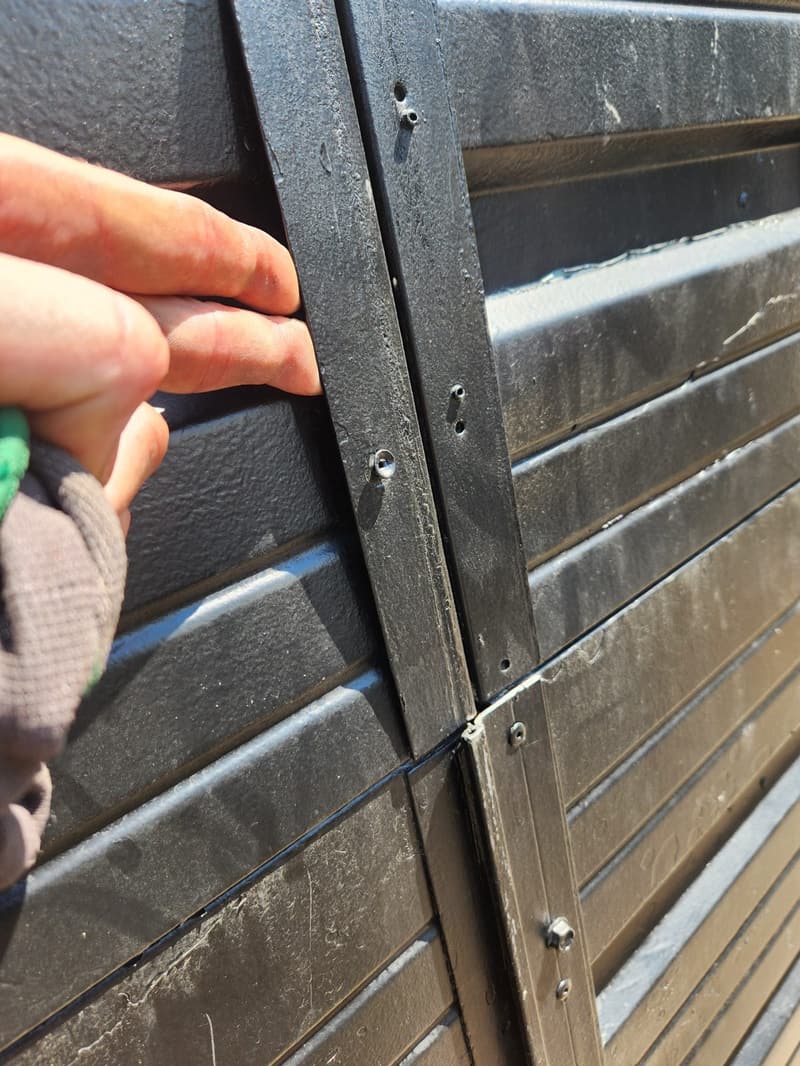
Garage door hinges in Vancouver’s residential areas experience specific stress patterns due to the region’s climate and housing stock. Many homes in neighbourhoods like Kitsilano, Mount Pleasant, and East Vancouver feature older wood-frame construction with single-panel or early sectional doors that rely on butt hinges or early-generation steel hinges. These components are prone to corrosion from persistent moisture, especially in areas near False Creek or the Fraser River where humidity lingers. Steel hinges rust at the pivot points, causing binding that strains the opener and rollers. Wood door hinges often split or pull away from jambs due to rot in the surrounding framing, particularly where water wicks up from concrete floors during rainy seasons. Aluminum hinges, while rust-resistant, can fatigue and crack under repeated flexing, especially on heavier insulated doors common in newer builds along the Cambie Corridor or near Oakridge. Failure isn’t always sudden—creaking, uneven movement, or visible gaps between door sections often precede complete hinge failure.
Why Hinge Repair Requires Precision, Not Just Replacement
Simply swapping a hinge without diagnosing the root cause leads to repeat failures. In Vancouver’s older housing stock, especially in strata buildings along Main Street or in renovated character homes in Strathcona, the door frame itself may have shifted due to settling or seismic retrofitting. A hinge that appears broken might actually be functioning correctly but is misaligned because the jamb has moved. Our technicians check for plumb and level across the entire door opening, using laser levels to detect frame distortion invisible to the eye. We also inspect the hinge leafs for elongation of screw holes—a common issue in wood jambs where repeated tightening has stripped the grain. If the wood is compromised, we reinforce with epoxy consolidants or install steel backing plates before reattaching the hinge, ensuring the repair lasts through Vancouver’s wet winters and dry summers.
Material Matters: Choosing the Right Hinge for Vancouver Conditions
Not all replacement hinges are suited to local conditions. Standard galvanized hinges sold at big-box stores often use thin steel that corrodes quickly in coastal-influenced air, even blocks from the ocean. We recommend stainless steel hinges for homes in exposed areas like Point Grey or near the airport, where salt-laden winds accelerate corrosion. For insulated steel doors common in newer developments along the Canada Line corridor, we use heavy-duty, self-lubricating hinges with sealed bearings to resist dust and grit from nearby construction zones. On wood carriage-style doors popular in heritage zones like Shaughnessy, we match the original hinge profile using brass or bronze-plated steel to maintain aesthetic integrity while improving durability. Each recommendation is based on the door’s weight, cycle frequency, and microclimate—factors that vary significantly between a basement garage in Marpole and a detached home in Kerrisdale.
The Repair Process: From Diagnosis to Testing
Our hinge repair process begins with a full door balance test. We disconnect the opener and manually lift the door to check for binding or uneven resistance—signs that hinge issues are affecting the entire system. If a hinge is seized, we apply penetrating oil and work it back and forth to assess whether it can be freed without damage. If replacement is needed, we support the door section with hydraulic jacks to relieve load before removing the old hinge. This prevents sudden dropping that could damage panels or injure the technician. After installing the new hinge with appropriate fasteners—often stainless steel or coated screws for corrosion resistance—we recheck alignment, lubricate the pivot with silicone-based grease (which won’t attract dust like petroleum products), and run through multiple cycles to ensure smooth operation. We also verify that the hinges don’t interfere with weatherstripping or trigger false reversals on the opener’s safety sensors.
Preventing Future Hinge Issues in Vancouver’s Climate
Vancouver’s freeze-thaw cycles and prolonged dampness create unique challenges for garage door hardware. We advise homeowners in areas like Burnaby-adjacent zones along Kingsway or in Richmond-adjacent pockets of Vancouver to inspect hinges twice a year—once before the rainy season and once after. Look for orange rust streaks, white zinc oxide powder (indicating active corrosion), or black grime buildup in the pivot. Lubricate hinges annually with a non-silicone-based lubricant designed for outdoor metal, avoiding WD-40 which attracts dirt. Keep the bottom of the door clear of debris and standing water, as splash-up accelerates hinge corrosion. For homes with automatic openers, ensure the force settings aren’t compensating for binding hinges—excessive force masks problems and accelerates wear on all components. A well-maintained hinge system reduces strain on the opener, springs, and cables, extending the life of the entire door.
Frequently Asked Questions
How do I know if my garage door hinge needs repair versus replacement?
If the hinge is squeaking but moves freely when lubricated, and the screw holes are intact in the jamb, repair via lubrication and tightening may suffice. If there’s visible rust pitting, cracking in the metal, elongated screw holes, or the door sags at that point even after adjustment, replacement is necessary. We assess both the hinge and the surrounding wood or steel to determine the safest, longest-lasting solution.
Can I repair a garage door hinge myself, or should I hire a professional?
While lubricating hinges is a safe DIY task, removing and replacing hinges involves supporting the door section under tension—incorrect support can cause the door to fall, risking injury or panel damage. Misalignment during reinstallation can bind the door and damage the opener or rollers. For safety and accuracy, especially on older or heavy insulated doors, professional service is recommended.
How long does a hinge repair typically take in Vancouver homes?
Most residential hinge repairs take between 60 and 90 minutes, depending on door type, hinge accessibility, and whether frame reinforcement is needed. Older wood doors in character homes may require additional time to repair jamb damage, while standard steel sectional doors in newer builds are often quicker. We provide a time estimate after assessing your specific door on-site.