Choosing the Right Opener for Your Maple Ridge Home
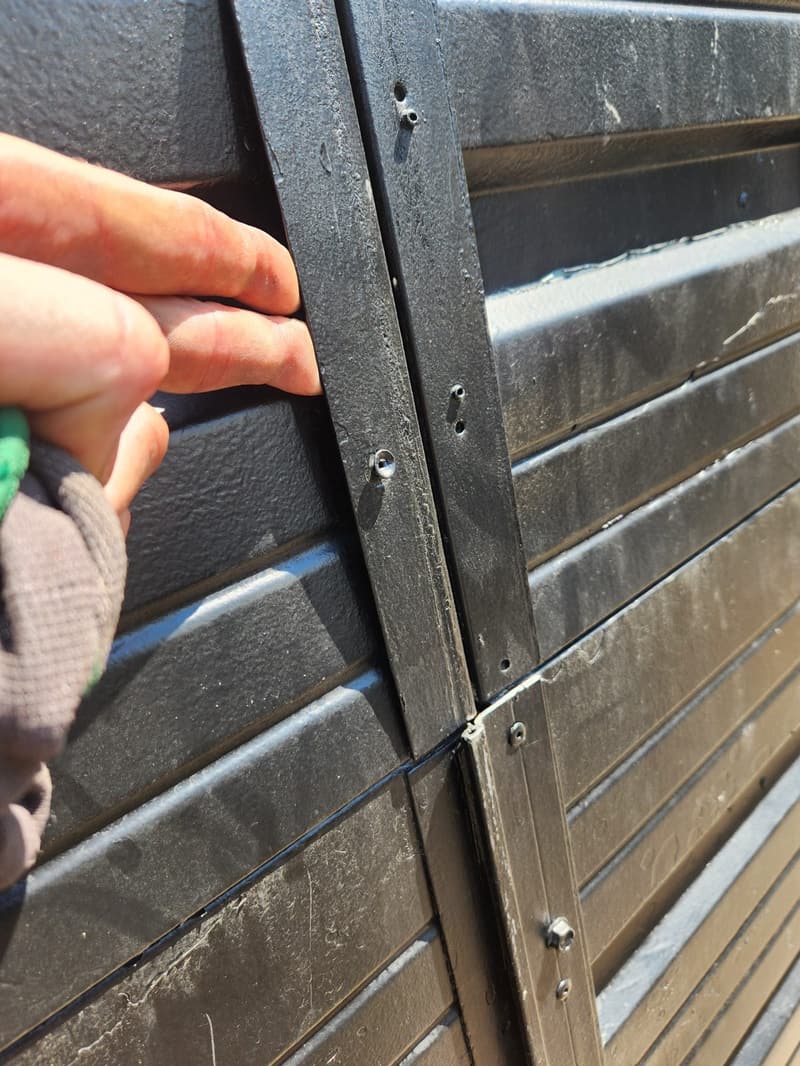
Maple Ridge’s housing stock varies from older bungalows in Albion to newer builds in Westwood and Silver Valley. This diversity means garage door openers must match door weight, track type, and usage frequency. A standard 1/2 HP chain-drive opener suffices for most single-car steel doors common in Thornhill neighbourhoods. Heavier insulated doors or double-car garages in elevations like Garibaldi Estates often require 3/4 HP belt-drive units for quieter operation and smoother lift. Screw-drive openers work well in garages with minimal headroom but are less ideal in dusty environments near industrial zones along Lougheed Highway. Matching opener torque to door specifications prevents premature motor strain and ensures reliable cycling.
Understanding Drive Systems and Their Limitations
Chain-drive openers use a metal chain similar to a bicycle’s, offering durability and affordability. They generate noticeable vibration and noise, which can transmit through attic joists in older Maple Ridge homes with minimal insulation—common in areas like Cottonwood or East Haney. Belt-drive systems replace the chain with a steel-reinforced rubber belt, significantly reducing noise and vibration. This makes them preferable for attached garages beneath living spaces, a frequent layout in newer subdivisions like Webster’s Corner. Screw-drive openers feature a threaded steel rod that rotates to move the trolley. While low-maintenance, they can seize in freezing temperatures if lubrication degrades, a risk during prolonged cold snaps in the Fraser Valley. Each system has trade-offs; selection depends on door size, garage attachment, and local climate exposure.
Electrical Requirements and Circuit Considerations
Garage door openers require a dedicated 120V circuit, typically 15-amp, with a grounded outlet within 6 feet of the motor unit. In many Maple Ridge homes built before 2000—particularly in Albion and Hammond—garages may share circuits with outdoor outlets or lighting, increasing the risk of tripped breakers during startup. Older electrical panels in these areas might lack sufficient capacity or arc-fault protection, necessitating an evaluation before installation. Newer developments like those in Golden Ears often have 20-amp garage circuits already in place, simplifying integration. We verify voltage stability and grounding integrity during installation to prevent erratic operation or damage to the opener’s logic board from power fluctuations common during storms.
Mounting Stability and Structural Integrity
Secure mounting is critical for safe and consistent operation. The opener’s motor unit attaches to the garage ceiling via angle iron or perforated steel brackets, which must anchor into ceiling joists or blocking. In older Maple Ridge homes with lath-and-plaster ceilings or undersized joists—frequent in pre-1970s builds along 224th Street—additional blocking or a mounting plate may be required to distribute load and prevent sagging. Concrete ceilings in detached garages near industrial zones require hammer-drill anchors and proper embedment depth. We assess ceiling structure before installation to ensure the unit remains rigid during operation, preventing misalignment that causes door binding, uneven travel, or premature wear on the drive sprocket.
Safety Features and Code Compliance
Modern openers include mandatory entrapment protection: photoelectric sensors (eyes) mounted 6 inches above the floor on either side of the door, and a force-sensing mechanism in the motor unit. Photoeyes must be aligned precisely; misalignment from vibration or accidental bumping—common in high-traffic garages near Albion’s commercial strips—will prevent door closure. The force setting determines how much resistance triggers reversal; set too high, it risks injury or property damage; too low, it causes false reversals on windy days or with stiff rollers. We test and adjust both systems post-installation to meet CAN/CSA-C22.2 No. 105 standards, ensuring compliance with BC Safety Authority requirements for residential garage door openers.
Environmental Factors Affecting Longevity
Maple Ridge’s climate—mild winters with frequent rain and occasional freezing drizzle—impacts opener lifespan. Moisture ingress into the motor housing or logic board can cause corrosion, particularly in units installed without adequate weather shielding. Garages facing south or west, such as those in Webster’s Corner exposed to afternoon sun, experience greater thermal cycling, which degrades rubber belts and lubricants faster. Dust from construction or agricultural activity along 240th Street can accumulate on chains and sprockets, accelerating wear. We recommend periodic lubrication of moving parts and annual inspection of seals and gaskets to mitigate these environmental effects, especially in detached garages with minimal insulation.
Frequently Asked Questions
Can I install a garage door opener myself if I’m handy with tools?
While mechanical aptitude helps, improper installation risks safety hazards and voids manufacturer warranties. Misaligned photoeyes, incorrect force settings, or insecure mounting can lead to door failure or entrapment. We recommend professional installation to ensure all safety systems are calibrated and structurally sound.
How do I know if my existing garage door is compatible with a new opener?
Compatibility depends on door weight, track type, and headroom. Heavier insulated doors require higher torque openers, while low-headroom garages may need side-mount or jackshaft models. We assess your door’s specifications during consultation to recommend a suitable match.
What maintenance does a new garage door opener need after installation?
Lubricate the chain, belt, or screw rod every six months with a silicone-based lubricant. Check photoeye alignment and clean lenses monthly. Test the force reversal mechanism by placing a 2×4 flat on the floor where the door closes—it should reverse on contact. Annual professional inspection ensures optimal performance and safety.