Garage Door Opener Repair North Vancouver
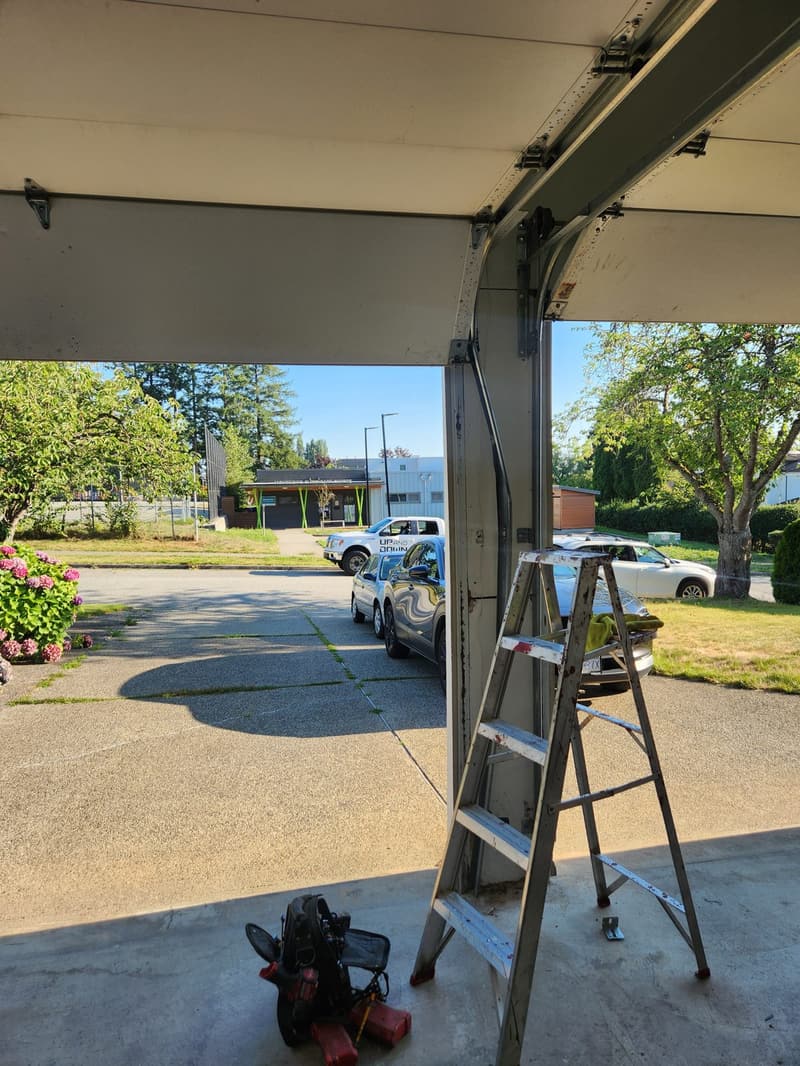
Garage door openers in North Vancouver face unique stressors from the region’s climate and housing stock. Many homes in areas like Deep Cove, Lynn Valley, and Capilano were built in the 1970s-90s with original chain-drive openers that now suffer from worn sprockets, stretched chains, or corroded trolley assemblies. The persistent moisture from Pacific rainfall accelerates rust on metal components, particularly in garages with poor ventilation or those facing north-facing slopes where sunlight is limited. Belt-drive systems, while quieter, can develop cracks in the rubber belt due to UV exposure through garage windows or temperature cycling. Screw-drive openers, common in townhouses along Marine Drive or near Lonsdale Avenue, often experience stripped worm gears or lack of lubrication on the threaded rod, causing sluggish operation or complete failure to lift the door.
Diagnosing Electrical and Control System Faults
When a garage door opener fails to respond to remotes or wall buttons, the issue often lies in the logic board, wiring, or power supply—not the motor itself. In older North Vancouver homes, especially those with original 1960s electrical panels in neighbourhoods like Edgemont or Boulevard, voltage fluctuations can damage sensitive circuit boards in openers. A common fault is a blown fuse on the logic board caused by a short in the safety sensor wiring, which runs along the door track and is vulnerable to damage from stored items or pest activity. Wall control panels may fail due to moisture ingress behind the plate, particularly in garages converted from carports where insulation is minimal. Intermittent operation—where the door works sometimes but not others—frequently traces to loose wire nuts at the motor unit or corroded terminals on the limit switch assembly, both of which are exacerbated by salt-air exposure near the Burrard Inlet.
Mechanical Wear: Gears, Bearings, and Drive Components
The most frequent mechanical failures involve the opener’s internal drive train. Chain-drive units develop slack over time, causing the chain to slap against the rail or jump sprocket teeth, especially in heavier double-car garage doors common in newer developments along Highland Boulevard or near Seymour Parkway. The nylon or metal gears that transfer motion from the motor to the drive screw or chain can strip under load, particularly if the garage door springs are out of balance and forcing the opener to lift excessive weight. Bearing failure in the motor shaft or trolley wheels leads to grinding noises and increased draw on the motor, which can overheat and trip the thermal overload protector. In screw-drive models, the threaded rod accumulates dirt and debris from the garage floor, accelerating wear on the nylon bushing that rides along it—this is especially problematic in homes with unfinished concrete floors where dust and grit are prevalent.
Safety System Malfunctions and Sensor Alignment
Modern openers rely on photoelectric safety sensors mounted near the floor on either side of the door opening. In North Vancouver garages, these sensors are frequently knocked out of alignment by bicycles, lawn equipment, or storage bins pushed against the wall. Even a slight misalignment—just a few degrees—breaks the infrared beam and prevents the door from closing, a safety feature designed to prevent entrapment. Lens fogging or scratching from condensation or garage chemical vapors (like those from cleaning products or paint solvents) can also obstruct the beam. Wiring to the sensors is often stapled too tightly during installation, leading to internal wire breaks over time from vibration. In homes with concrete slab foundations that shift slightly due to soil moisture changes—common in the fluvial soils near Mosquito Creek or Mackay Creek—the sensor brackets can loosen, requiring periodic realignment.
Wall Control and Keypad Issues
Non-responsive wall consoles or wireless keypads are often mistaken for opener failure when the problem is isolated to the control device itself. Wall buttons can fail due to internal contact corrosion from humidity, particularly in uninsulated garages where temperature swings cause condensation on circuit boards. Wireless keypads mounted on exterior jambs—common on homes along Mountain Highway or near the Lions Gate Bridge approach—suffer from battery depletion and water ingress despite being rated weather-resistant; prolonged exposure to driving rain or snowmelt can compromise seals. Signal interference from nearby LED lighting, solar inverters, or even certain LED holiday displays (prevalent in December in neighbourhoods like Upper Lonsdale) can disrupt the radio frequency between the remote and opener, requiring reprogramming or frequency adjustment.
Frequently Asked Questions
How do I know if my garage door opener needs repair or replacement?
If the motor runs but the door doesn’t move, the issue is likely a broken drive gear or disconnected trolley—repairable in most cases. If the motor hums but doesn’t turn, or smells hot or burnt, internal windings or the capacitor may have failed, which often warrants replacement given the age of many units in North Vancouver homes. Intermittent operation or failure to respond to controls usually points to electrical faults or sensor issues that can be fixed without replacing the entire unit.
Can a power surge damage my garage door opener, and how common is this in North Vancouver?
Yes, voltage spikes from grid switching during storms or nearby industrial activity—such as along the Burrard Inlet rail corridor—can damage the opener’s logic board or transformer. While not daily occurrences, the region’s frequent winter storms and aging residential electrical infrastructure in neighbourhoods like Highlands or Deep Cove increase susceptibility. Installing a surge protector at the opener’s power outlet is a low-cost preventive measure many homeowners overlook.
Why does my garage door reverse immediately after hitting the floor?
This typically means the close limit switch is set too far, causing the opener to think it’s encountered an obstruction when the door actually reaches the floor. It can also result from excessive down force due to worn gears or a binding door track, which tricks the motor into sensing resistance. Adjusting the limit nuts on the opener shaft or checking for roller binding in the tracks usually resolves this.
}