New Garage Door Installation North Vancouver
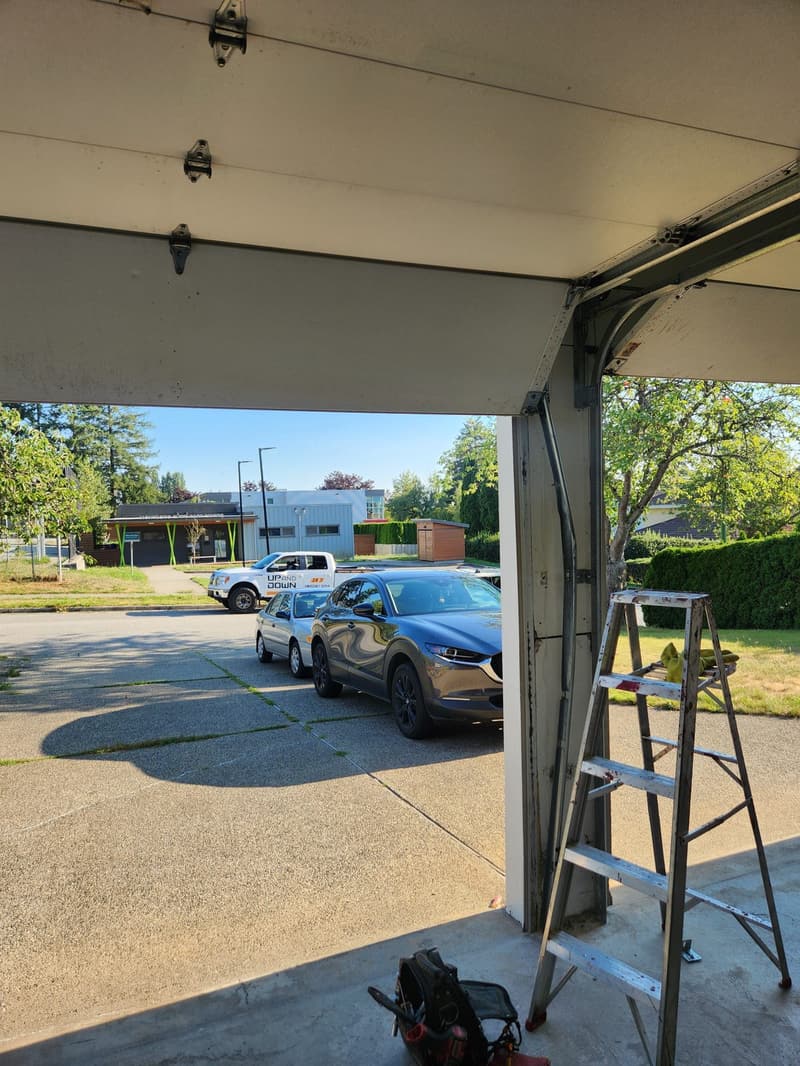
North Vancouver’s diverse housing stock—from older character homes in Lynn Valley and Deep Cove to newer builds in Edgemont Village and along the Upper Levels Highway—presents varied requirements for garage door replacement. Many homes built before the 1990s feature single-panel doors or outdated sectional systems with worn torsion springs, corroded hinges, or misaligned tracks. These issues often stem from decades of exposure to coastal moisture, which accelerates rust on steel components and degrades wooden door finishes. Before recommending a new installation, we evaluate the existing frame’s structural integrity, header load capacity, and clearance for vertical lift. In areas like Capilano or Mosquito Creek, where lot sizes are tighter, we also check for obstructions such as electrical conduits or HVAC ducts that could interfere with track mounting. A thorough assessment ensures the new door operates safely within the building’s original design limits.
Selecting the Right Door Type for Coastal Conditions
Given North Vancouver’s proximity to the Pacific Ocean and frequent rainfall, material selection is critical for longevity. Steel doors with a galvanized core and polyester topcoat resist corrosion better than untreated wood, especially in neighbourhoods like Hamilton or Lynn Creek where salt-laden air is more prevalent. We recommend 24-gauge steel with a polyurethane-insulated core for thermal efficiency, which helps maintain garage temperatures during winter months when freezing rain is common. For homes with architectural character—such as those in the heritage zones of Lower Lonsdale—we offer wood-composite doors that mimic cedar grain without the maintenance demands of real wood. These materials resist warping and delamination, common failure modes in untreated timber exposed to repeated wet-dry cycles. We avoid recommending hollow-core steel doors in this climate, as they dent easily and offer minimal insulation value.
Preparing the Opening for Proper Installation
A new garage door’s performance depends entirely on how well it’s mounted to the existing structure. In North Vancouver, many garages were constructed with wood framing that has settled or rotted over time, particularly at the bottom plate where moisture wicks up from concrete slabs. Before installation, we inspect the jambs and header for rot, insect damage, or warping—common in older builds near the Seymour River or Indian River floodplains. If the framing is compromised, we sister new lumber to existing studs or install a steel reinforcement bracket to restore load-bearing capacity. We also verify that the header is level and plumb; even a 5-degree tilt can cause binding in the rollers or premature spring fatigue. Track brackets are anchored into solid framing using lag bolts, not just drywall screws, to handle the dynamic loads of a door weighing 150–250 pounds. This step prevents the most common post-installation issue: door drift or uneven closing.
Installing Torsion Springs and Cable Systems Safely
Torsion spring systems store significant energy and must be handled with precise technique to avoid injury or premature failure. We measure the door’s height, weight, and track radius to calculate the correct spring wire size, length, and wind direction—critical for balancing the door so it stays put when lifted halfway. In North Vancouver garages, where ceiling clearance can be limited due to storage platforms or overhead lighting (common in units near the Lions Gate Bridge industrial corridor), we sometimes opt for low-headroom torsion kits that use a double-spring configuration. During installation, we secure the spring anchor bracket to the header with through-bolts where possible, and we always use safety cables through the center of extension springs if applicable. Incorrect spring tension is a leading cause of premature wear on rollers and hinges, or worse, sudden spring failure. We test balance manually after installation, adjusting quarter-turn increments until the door lifts smoothly and holds position at waist height.
Weatherstripping and Threshold Sealing for Moisture Control
Effective weatherproofing is not optional in a climate where autumn rains linger and winter snowmelt seeps into garages. We install a flexible vinyl bottom seal that compresses against the threshold to block water ingress, paired with side and top weatherstripping made from UV-stabilized EPDM rubber. In areas like Deep Cove or Horseshoe Bay, where wind-driven rain is frequent, we recommend a threshold seal made of extruded aluminum with a rubber insert—this creates a dam against pooling water during heavy storms. The bottom seal must be pliable enough to conform to minor slab imperfections but stiff enough to resist compression set over time. We avoid rigid rubber seals that crack in freezing temperatures. Proper sealing also reduces convective heat loss, which is valuable in uninsulated garages used as workshops or storage for temperature-sensitive items like paint or batteries. This detail directly impacts the door’s long-term performance by preventing corrosion at the panel bottom edge.
Post-Installation Adjustment and Homeowner Guidance
After mounting the door and tensioning the springs, we perform a full operational check: listening for roller noise, verifying track alignment, and testing the emergency release cord. We lubricate hinges, rollers, and springs with a silicone-based spray—never WD-40, which attracts dust and degrades rubber components. Homeowners receive clear guidance on monthly visual inspections: checking for frayed cables, loose bolts, or rust forming at the bottom panel seam. We advise against DIY spring adjustments and emphasize that any unusual noise—like a popping sound during travel—warrants immediate professional inspection. In North Vancouver’s humid environment, we recommend wiping down the interior panels quarterly with a mild detergent to prevent mildew growth, especially on wood-composite finishes. This maintenance routine significantly extends service life and preserves the door’s warranty coverage, which typically requires documented care to remain valid.