Garage Door Repair Mission — Common Garage Door Issues in Mission Homes
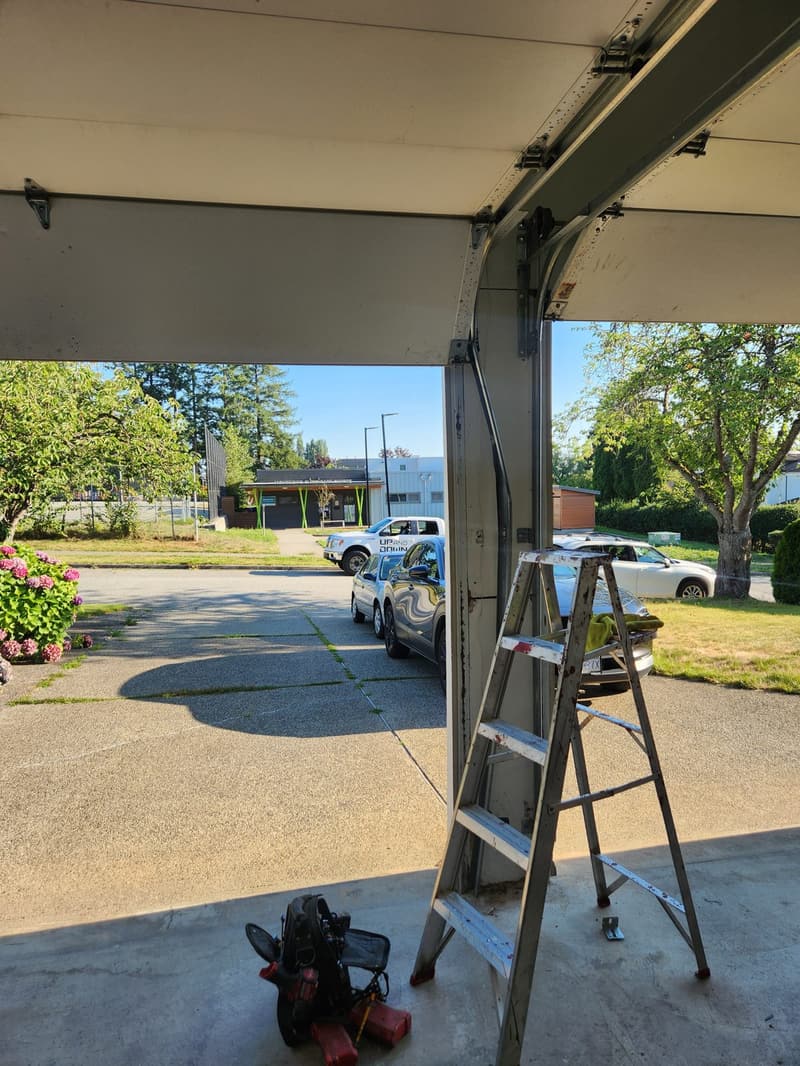
Mission’s residential areas, from the older neighbourhoods near Cedar Street and Grandview Heights to newer developments along Lougheed Highway and Dewdney Trunk Road, feature a mix of garage door types. Many homes built in the 1980s and 1990s still use original torsion spring systems, which are prone to metal fatigue after 10-15 years of use. In the damp climate of the Fraser Valley, rust accelerates wear on cables and hinges, particularly in garages exposed to morning fog off the Stave River valley. We frequently see broken springs causing doors to drop suddenly, frayed cables that snap under tension, and misaligned tracks from settling foundations or impact with vehicles. These aren’t just inconveniences—they create serious safety hazards that require immediate attention from a qualified technician.
Why Springs Fail and How We Address Them
Torsion springs, mounted above the door opening, bear the full weight of the door—often 150 to 250 pounds for a standard double-car garage. Over time, the steel undergoes cyclic stress, leading to microscopic cracks that propagate until sudden failure. When a spring breaks, the door becomes extremely heavy to lift manually and can slam shut if operated. We replace springs with oil-tempered steel rated for 10,000+ cycles, matching the original wire size and length to maintain proper balance. Extension springs, found on older or lighter doors, run along the horizontal tracks and are equally hazardous when they fail; we secure them with safety cables during replacement to prevent whip-like recoil. All spring work includes a full balance test to ensure the door stays put at any height without drifting.
Cable and Roller Problems in Wet Climates
Galvanized steel cables lift the door via the spring system, but constant exposure to moisture—especially in garages with poor ventilation or frequent washing down—leads to corrosion. We inspect for individual strand breakage, which reduces tensile strength significantly before visible fraying occurs. Nylon rollers, common in residential doors, can crack or flatten from debris buildup or lack of lubrication, causing the door to bind or jump the track. Steel rollers with sealed bearings last longer but still require periodic maintenance. During repair, we replace worn cables with aircraft-grade equivalents and install nylon or steel rollers based on door weight and usage, lubricating all pivot points with silicone-based spray that won’t attract dust or degrade in temperature swings from Fraser Valley winters to summer heat.
Track Alignment and Opener Malfunctions
Garage door tracks must be perfectly parallel and plumb for smooth operation. In Mission, we often find tracks knocked out of alignment by accidental bumps from lawn tractors, snowblowers, or recreational vehicles stored in garages. Settling soil—particularly in areas with higher clay content near the Silverdale wetlands or along the Fraser River floodplain—can cause concrete floors to shift, dragging the track brackets with them. This results in rubbing noises, uneven movement, or the door jamming halfway. We loosen brackets, realign tracks using laser levels, and re-secure them to solid framing. For opener issues, we diagnose logic board failures, worn drive gears (common in chain-drive units after 8-10 years), and sensor misalignment caused by vibration or direct sunlight interfering with the photo-eye beam. Repairs include gear replacement, sensor realignment, and firmware resets where applicable.
Weather Sealing and Panel Damage
The frequent rain and occasional freezing rain in Mission degrade bottom weather seals, making them brittle and ineffective. A compromised seal allows water, pests, and cold air into the garage, affecting stored items and increasing heating costs. We replace seals with EPDM rubber designed for UV resistance and flexibility at low temperatures. Panel damage—from hail, impacted sports equipment, or minor vehicle collisions—can interfere with door movement if dents crease the surface or bend reinforcement struts. While minor cosmetic damage may not require repair, structural panel issues that affect track clearance or hinge mounting must be addressed. We assess whether panel replacement or section repair is feasible based on the door’s age, model availability, and overall condition, avoiding unnecessary full-door replacements when possible.
Frequently Asked Questions
How do I know if my garage door spring is broken?
If your door won’t lift manually or feels extremely heavy (over 50 pounds of resistance), or if you hear a loud bang from the garage followed by the door hanging crooked, the torsion spring has likely failed. Do not attempt to operate the door—spring tension can cause severe injury. Call us for inspection and safe replacement.
Can you repair a garage door that’s come off its track?
Yes, we regularly realign doors that have jumped the track due to impact or worn rollers. We check for bent track sections, damaged rollers, and loose brackets before carefully lifting the door back into alignment and securing all components. Operating a door off-track risks further damage or sudden collapse.
What maintenance can I do to prevent garage door repairs?
Lubricate hinges, rollers, and springs every six months with a silicone-based spray—avoid WD-40, which attracts dirt. Check cable ends for fraying and wipe debris from tracks. Test the door balance monthly by disconnecting the opener and lifting the door halfway; it should stay put without drifting up or down.