Garage Door Sensor Repair Burnaby — Understanding Garage Door Sensor Function
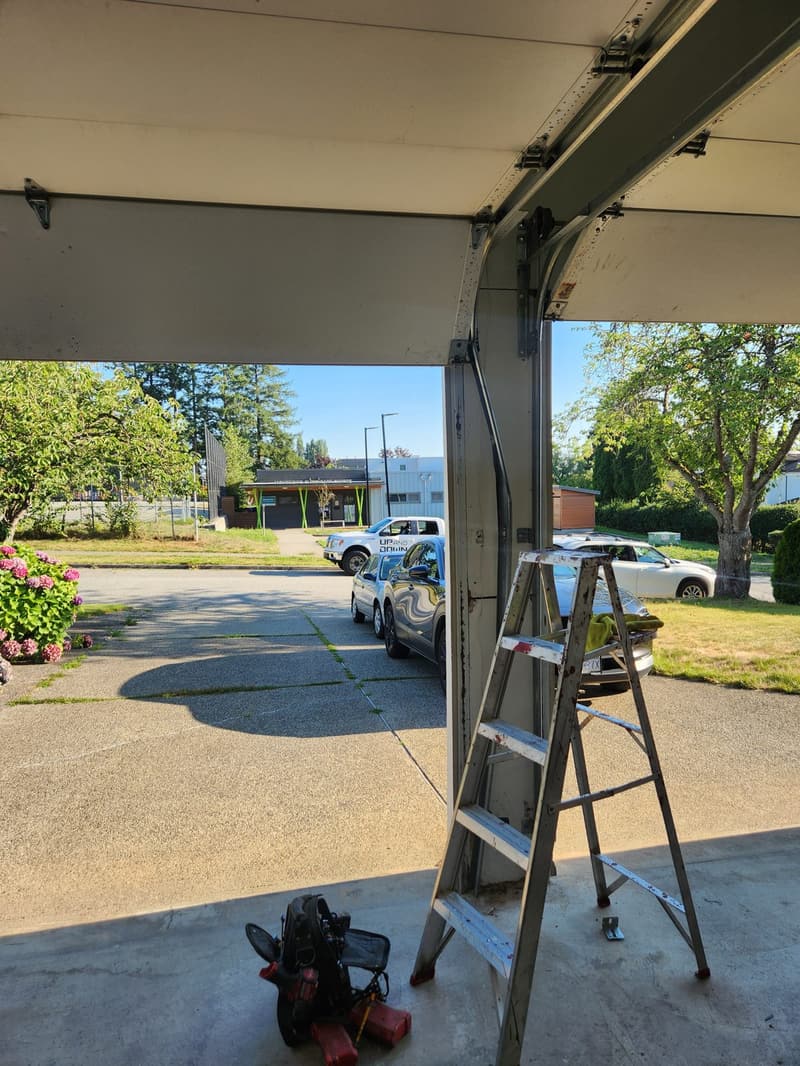
Garage door sensors, also known as photo-eyes or safety reversing sensors, are a critical safety component required by Canadian standards since the early 1990s. These devices consist of two units mounted near the floor on either side of the garage door opening—one emits an infrared beam, the other receives it. When the beam is unbroken, the door opener knows the path is clear and allows normal operation. If the beam is interrupted—by a person, pet, or object—the sensors signal the opener to stop and reverse the door immediately. This prevents entrapment and is non-negotiable for safe residential operation in Burnaby homes.
Common Causes of Sensor Failure in Burnaby Residences
Sensor malfunctions typically stem from misalignment, dirt accumulation, wiring issues, or component failure. In Burnaby’s damp coastal climate, moisture ingress is a frequent culprit, especially in older homes in neighborhoods like Edmonds or South Slope where garage seals may be worn. Misalignment often occurs after accidental bumps from lawn equipment, bicycles, or storage items—common in single-car garages prevalent in Brentwood Park or Capitol Hill townhouses. Dirt, spider webs, or condensation on the sensor lenses can scatter or block the infrared beam, mimicking an obstruction. Rodent damage to low-voltage wiring is also reported in garages adjacent to ravine areas like those near Burnaby Lake, where chewing on exposed cables disrupts signal transmission.
Diagnosing Sensor Problems Accurately
Before assuming sensor failure, we verify the issue isn’t elsewhere in the system. A flashing opener light—often 10 flashes—indicates a sensor fault, but we check for loose mounting brackets, corroded terminals at the sensor or opener end, and continuity in the 24-gauge wire running from the sensors to the motor unit. Using a multimeter, we test for proper voltage and signal integrity. We also rule out sunlight interference, which can overwhelm the receiver during low-angle morning or evening sun, particularly problematic for west-facing garages in areas like Simon Fraser University neighborhoods where afternoon sun penetrates deeply. True sensor failure requires replacement only when alignment, cleaning, and wiring checks confirm the emitter or receiver is defective.
Our Repair Process for Burnaby Customers
When dispatched to a Burnaby address, our technicians begin with a visual inspection of sensor mounts and lenses. We clean the lenses with a non-abrasive, anti-static solution approved for optical surfaces. Using a laser alignment tool, we adjust the sensors to within 1/16th of an inch of perfect parallel—critical because even slight misalignment causes intermittent faults. If wiring is damaged, we replace it with UV-resistant, direct-burial rated cable where exposed, securing it along joists or conduit to prevent future damage. We test the repair by breaking the beam with a solid object at multiple heights and confirming immediate reversal. We never bypass sensors or disable safety features, as this violates BC Safety Standards and creates serious liability.
Why Proper Sensor Repair Matters in Burnaby’s Housing Mix
Burnaby’s residential stock varies widely—from 1950s bungalows in Highland Park to modern townhouses in Lougheed and high-rise-adjacent units near Metrotown. Older homes may have outdated opener systems where sensor compatibility is an issue; we verify voltage and signal type before installing replacements. Newer constructions often integrate sensors into the door frame or use wireless models, which require different diagnostics. Regardless of age, functional sensors are legally required for any garage door opener sale or service in BC. In multi-unit complexes along Kingsway or Canada Way, faulty sensors can affect shared access points, making timely repair essential for strata compliance and resident safety.
Preventing Future Sensor Issues
Regular maintenance reduces sensor failure rates. We advise Burnaby homeowners to inspect sensor lenses monthly, wiping them with a dry microfiber cloth—never use solvents or sprays that leave residue. Check mounting brackets quarterly for looseness, especially after garage door impacts. Keep the sensor clearance zone free of stored items, snow melt, or gardening equipment. Consider installing sensor guards in high-traffic garages, particularly those with workshop use or frequent bike storage. For homes near forested areas like those in Forest Grove or Capitol Hill, periodic wiring checks help catch rodent damage early. These simple steps extend sensor life and ensure consistent safety performance.
Frequently Asked Questions
How do I know if my garage door sensors need repair or just cleaning?
If the door reverses immediately upon closing or won’t close at all, and the opener lights are flashing, start by cleaning the lenses and checking for obvious obstructions. If the problem persists after cleaning and verifying nothing is blocking the beam, misalignment or wiring failure is likely. We test signal continuity to determine if repair or replacement is needed.
Can sunlight really interfere with garage door sensors in Burnaby?
Yes, low-angle sunlight can overwhelm the infrared receiver, especially during fall and winter mornings when the sun rises in the southeast. West-facing garages in neighborhoods like SFU or Capitol Hill are particularly susceptible. This causes intermittent false-obstruction readings. Shielding the sensors with a small baffle or adjusting their angle slightly—without breaking alignment—can mitigate this without compromising safety.
Is it safe to use my garage door if the sensors are malfunctioning?
No. Operating a garage door with faulty safety sensors risks entrapment, injury, or property damage. The sensors are a legally mandated safety feature under CSA and BC regulations. If they fail, the door should not be used until repaired. We recommend disconnecting the opener and operating the door manually until service is complete.