Garage Door Opener Installation Burnaby
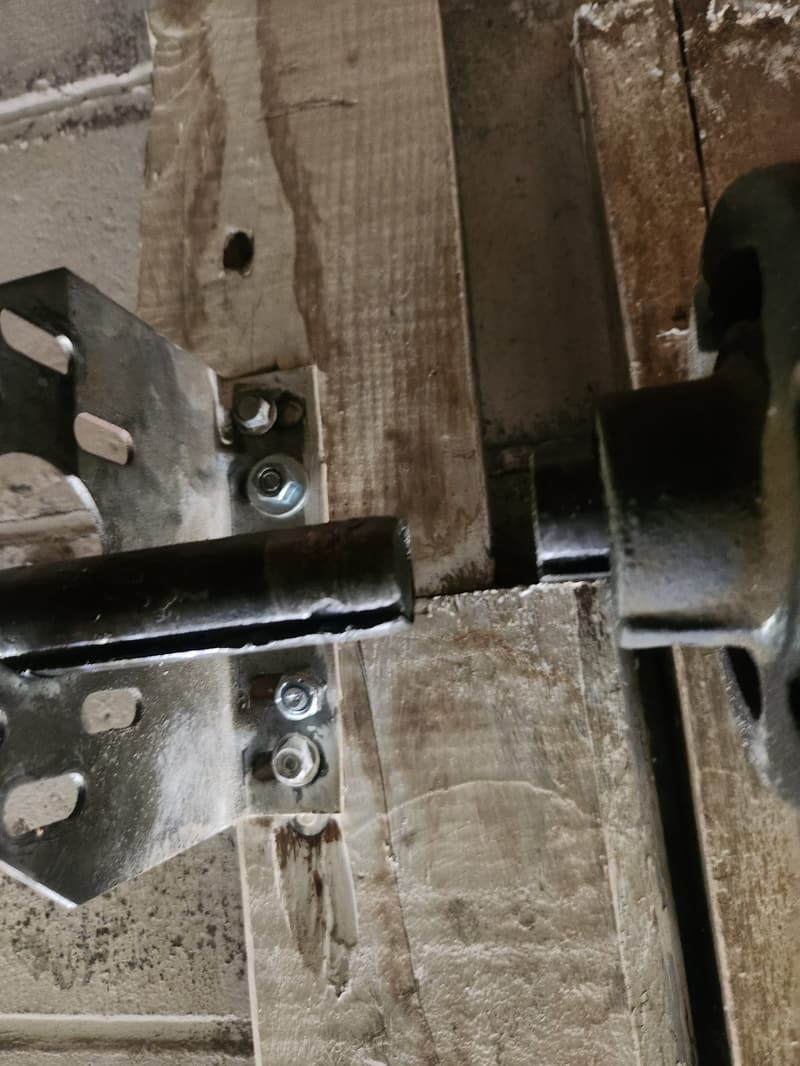
Burnaby’s housing stock varies significantly by neighbourhood, directly influencing garage door opener selection and installation complexity. In older areas like Capitol Hill and Central Park, many homes feature single-car garages built in the 1970s and 80s with standard 7-foot clearance and torsion spring systems mounted on wooden jambs. These often require header reinforcement before opener installation due to settled framing or rotted wood plates. Newer developments in Brentwood Town Centre and near Simon Fraser University typically have double-car garages with 8-foot headers, steel framing, and higher-lift tracks designed for sectional doors weighing up to 300 pounds. These modern installations demand openers with higher torque ratings and reinforced mounting brackets to handle the increased door mass and frequent cycling common in multi-unit dwellings.
Electrical Requirements for Modern Openers
Residential garage door openers in Burnaby must comply with BC Electrical Code Section 26, which mandates dedicated 120V circuits for garage receptacles and opener power. Many older homes in East Burnaby and along Hastings Street still operate on 60-amp service panels with shared circuits, creating voltage drop issues when the opener motor draws 5-7 amps during startup. This can cause intermittent operation or tripped breakers. Installers frequently need to run new 14/2 NM-B cable from the panel to a junction box near the opener, often routing through finished ceilings or along exterior walls in laneway homes common near Metrotown. Ground fault circuit interrupter (GFCI) protection is required for all garage outlets, and the opener must be plugged into a receptacle within 6 feet of the unit—never hardwired directly—to allow for service disconnection.
Header and Jamb Preparation Techniques
The structural integrity of the garage opening determines whether an opener can be safely mounted. In Burnaby’s rainy climate, wooden headers and jambs in properties near the Fraser River floodplain or along Still Creek are prone to rot from moisture wicking up concrete floors. Before installing any opener, we probe the wood with an awl to check for softness—if the tip penetrates more than 1/4 inch, the material must be replaced with pressure-treated lumber or a steel angle iron bracket. Steel-framed garages in industrial-adjacent zones like Lougheed Highway require different tactics: self-drilling Tek screws into the steel web, never the flange, to avoid cracking the galvanized coating. We use 1/4-inch lag bolts with washers for wooden headers, ensuring embedment depth of at least 2 inches into solid wood, and always verify level across the entire header length—twist in the header causes uneven rail loading and premature sprocket wear.
Rail System Alignment and Tensioning
Misaligned rails are the leading cause of premature opener failure in Burnaby installations. The trolley rail must be perfectly parallel to the door track, with no more than 1/16 inch of deviation over its entire length. We use a laser level mounted on the door’s top roller to verify alignment, shimming the motor end of the rail with galvanized steel washers if needed. In homes with low-headroom installations—common in townhouses along Canada Way where ceiling clearance is under 12 inches—we use low-profile rails that require precise tensioning of the drive belt or chain. Excessive sags cause the trolley to bind mid-travel, while over-tensioning increases motor load and burns out capacitors. We set tension so the belt/chain deflects approximately 1/4 inch under moderate finger pressure at the midpoint, then verify smooth trolley travel through the full door cycle before finalizing.
Safety Sensor Placement and Wiring
Photoelectric safety sensors are non-negotiable under BC Building Code and must be installed no higher than 6 inches above the floor. In Burnaby garages with uneven concrete slabs—typical in older homes where settling has created slopes—we use adjustable mounting brackets to ensure both sensors sit at identical heights, verified with a digital level. Wiring is run in 22/2 bell wire stapled to the ceiling joists, never laid loose where it could be snagged by storage items. We route wires away from fluorescent ballasts and LED drivers common in newer garages, as electromagnetic interference can cause false obstruction readings. Sensors are aimed directly at each other’s lenses, with no more than 5 degrees of misalignment; we test alignment by blocking the beam with a 2-inch object at various heights to confirm consistent reversal.