Coastal salt air accelerates corrosion on garage door extension springs by depositing chloride ions that break down the steel’s protective coating, leading to pitting, reduced tensile strength, and eventual snap failure. This is especially problematic in Metro Vancouver’s marine-influenced zones like West Vancouver, North Vancouver, and Richmond where humidity and salt spray combine to speed up metal degradation beyond what inland doors experience.
How Coastal Salt Air Affects Garage Door Extension Spring
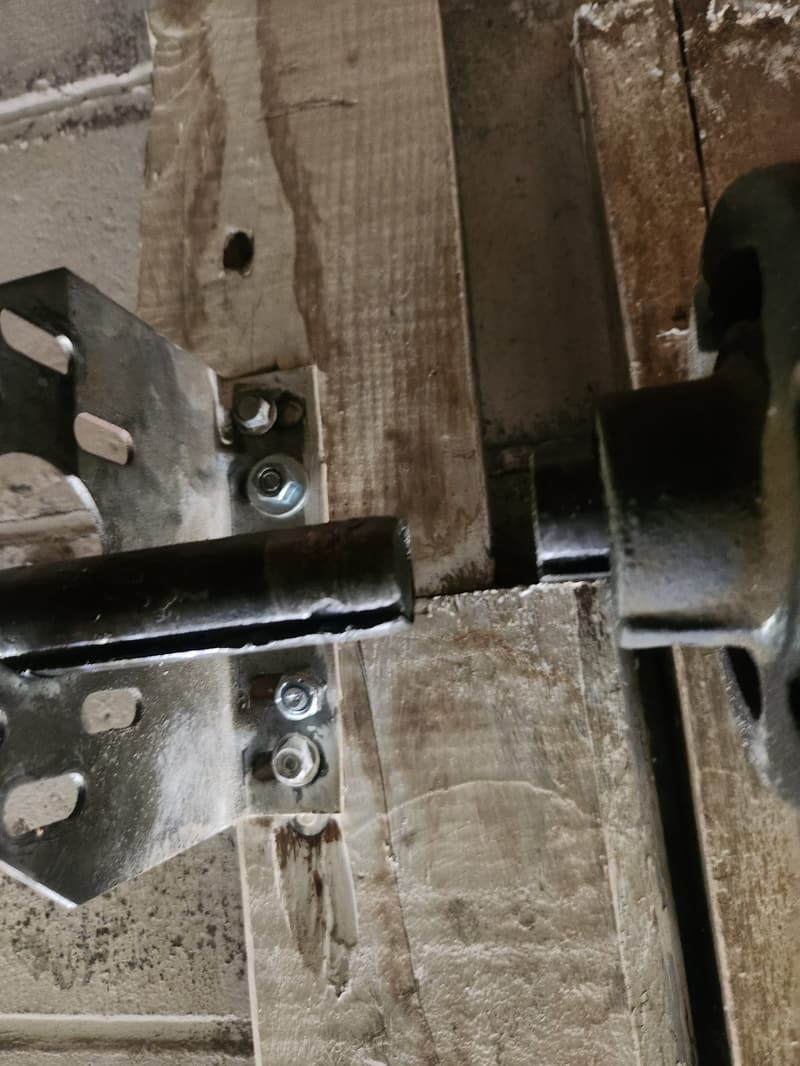
What Corrosion Looks and Sounds Like
Visually, inspect for orange-brown rust along the coils, especially near the ends where the spring connects to the pulley and track bracket. Surface rust that wipes off is less concerning; deep pitting or flaking indicates advanced degradation. Audibly, a corroded spring may squeak or groan during operation—not from lack of lubrication alone, but from metal grinding against damaged coils. As failure approaches, you might hear a sharp twang or creak when the door reverses direction, signaling the spring is losing elasticity.
How to Inspect Your Extension Springs Safely
With the door fully closed, disengage the opener by pulling the emergency release cord. Manually lift the door to waist height—it should stay put if springs are balanced. If it drops or feels heavy, springs are weakening. Visually examine both springs for uneven rust, gaps in the coils, or stretching. Never attempt to adjust, remove, or tension extension springs yourself. They store lethal energy; a sudden release can cause severe injury or death. Lubrication with silicone-based spray is safe for the shaft and bearings but does not penetrate deep enough to stop internal corrosion.
When Lubrication Isn’t Enough
Applying grease or oil to the outside of the spring may reduce surface noise but does nothing to halt internal chloride-induced pitting. In coastal environments, corrosion often progresses beneath the surface where coatings have already failed. If you see rust flaking off when wiped with a cloth, or if the spring feels rough or gritty under gloved fingers, the integrity is compromised. Extension springs typically last 7-9 years inland but may fail in 4-6 years in direct salt-air exposure without intervention.
The Risk of Ignoring Corrosion
A broken extension spring doesn’t just make the door inoperable—it can launch metal fragments at high speed. One end is anchored to the track bracket; the other pulls through a pulley system. When it fails, the uncontrolled release can whip the spring across the garage, damaging vehicles, walls, or injuring anyone nearby. Strata councils should note that shared garage doors in coastal townhouses or low-rises face identical risks, and deferred maintenance increases liability.
When to Replace Rather Than Repair
If one spring shows significant corrosion, replace both as a pair—even if the other looks better. Springs fatigue unevenly, and mismatched tension causes door imbalance, roller wear, and opener strain. Use only springs rated for your door’s exact weight and height; incorrect sizing creates premature failure. Never substitute with hardware-store generic springs. Proper extension springs are oil-tempered and calibrated; installing the wrong type is a safety hazard.
Why Professional Assessment Matters
A technician can measure spring length, wire diameter, and coil count to determine the correct replacement specification. They’ll also check associated components: pulleys for wear, cables for fraying, and track brackets for rust-induced loosening. In coastal climates, upgrading to galvanized or epoxy-coated extension springs offers better resistance, though no coating is permanent. Regular inspections every six months—especially after winter storm season—are the most effective way to catch corrosion early.
Frequently Asked Questions
### Can I paint over rust on my extension springs to stop corrosion?
Painting only seals surface rust temporarily and traps moisture underneath, accelerating hidden decay. It also adds uneven weight and can interfere with spring flex. Proper treatment requires removing the spring, sandblasting to bare metal, and applying a zinc-rich primer—steps best done in a shop, not on the installed door.
Does washing my garage door with fresh water help reduce salt buildup?
Rinsing the door panels and tracks removes visible salt residue but does not reach the internal coils of the extension springs where corrosion occurs. Focus on spring inspection instead; washing has minimal impact on spring longevity.
Are torsion springs better for coastal environments than extension springs?
Torsion springs are generally preferred in coastal areas because they’re enclosed above the door, shielded from direct salt spray, and experience less environmental exposure. However, they still corrode over time and carry equal or greater risk if mishandled due to higher stored tension—only trained technicians should service them.
Up & Down Garage Doors (778) 873-7282