Services
Locations
📞 (778) 873-7282
Home / Blog / How Cold Weather Affects a Garage Door Roller and What to Do

How Cold Weather Affects a Garage Door Roller and What to Do

Learn how freezing temperatures impact garage door rollers, what signs to watch for, and when to call a professional for safe repair in Metro Vancouver.

Call (778) 873-7282
Licensed & insured
Open 24 hours
Based in Richmond
5-star rated

Cold weather causes garage door rollers to seize, crack, or bind in the track due to lubricant thickening and metal contraction. When temperatures drop below freezing, standard grease loses viscosity, increasing friction between the roller shaft and bearing. This resistance makes the motor work harder, often resulting in sluggish movement, grinding noises, or the door stopping mid-cycle. Nylon rollers may become brittle and chip, while steel rollers can develop flat spots from prolonged pressure in cold, stiff conditions. Ignoring these issues accelerates wear on cables, springs, and the opener itself.

How Cold Weather Affects Garage Door Roller
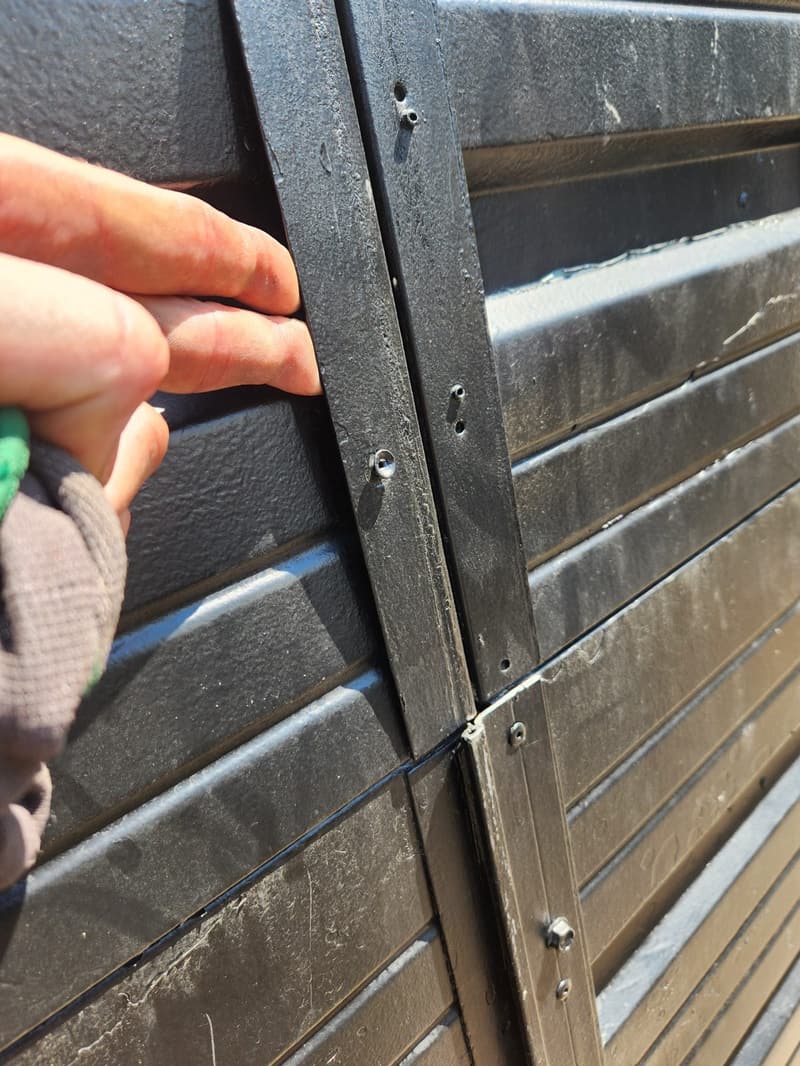
garage door panel and fastener repair
How Cold Weather Affects Garage Door Roller — real job photo, Up & Down Garage Doors.

How Metal and Nylon Rollers Respond to Cold
Steel rollers contract slightly in cold temperatures, which can increase tightness in the track if the door isn’t perfectly balanced. Nylon rollers, while quieter, become less flexible and more prone to cracking under impact. A cracked nylon roller may shed fragments that jam in the track, causing sudden stops. Steel rollers with sealed bearings can still fail if ice forms inside the housing, preventing rotation. Check rollers by manually lifting the door (after disconnecting the opener) and spinning each wheel—any resistance, roughness, or wobble indicates a problem.

Signs Your Rollers Are Affected by Cold
Listen for new noises during operation: grinding, squeaking, or a rhythmic tapping as each roller passes a weak point. Visually, look for rollers that appear cocked in the track, or gaps between the roller and track flange. If the door sags on one side when lifted manually, that side’s rollers may be binding. Ice buildup around the bottom roller brackets is another red flag—it prevents free movement and can bend the track over time. These symptoms often worsen overnight and improve slightly as the door warms from use.

What You Can Safely Check Yourself
Disconnect the opener by pulling the emergency release cord. Manually lift the door to waist height—it should stay put without drifting up or down. If it drops or surges, the springs may need attention (stop here—this is not DIY). With the door closed, inspect each roller for cracks, flat spots, or missing bearings. Spin them by hand; they should turn freely for at least two full revolutions. Wipe away ice or debris from the track and roller housings. Do not attempt to adjust or remove rollers attached to the lift cables—those are under tension and require professional tools.

When Lubrication Isn’t Enough
Applying cold-weather lubricant to the roller shafts and bearings can restore smooth operation if caught early. Use a silicone spray or low-temperature lithium grease—avoid WD-40, which attracts dirt and washes out easily. Apply sparingly, then open and close the door several times to work it in. If noise or resistance persists after lubrication, the roller itself is likely damaged and needs replacement. Continuing to operate a binding roller risks cable fraying or track deformation, which increases repair complexity and cost.

Why Professional Replacement Is Often Necessary
Replacing rollers involves disconnecting the door from the opener and securing it in place—typically with locking pliers on the track. Rollers on the bottom bracket are under constant tension from the cables and cannot be safely removed without proper winding tools and safety equipment. Attempting to pop a roller out with a screwdriver can release stored energy violently, causing injury. Strata councils managing shared garages should treat roller inspection as part of seasonal maintenance, especially in unheated or exposed facilities.

Frequently Asked Questions
### Can I use household oil like WD-40 on my garage door rollers in winter?
No. WD-40 is a water displacer, not a lubricant, and it dries quickly, leaving rollers more prone to rust and dirt buildup. It also attracts dust and debris that accelerate wear in cold conditions. Use a silicone-based or low-temperature lithium grease designed for garage doors.

How often should I inspect my garage door rollers for cold-weather damage?
At minimum, inspect rollers before winter begins and again after the first deep freeze. In coastal Metro Vancouver, where freeze-thaw cycles are common, monthly checks during colder months help catch early signs of cracking or binding before they lead to failure.
### Is it safe to replace a garage door roller myself if I have basic tools?
Only the top rollers can be replaced safely by a homeowner after securing the door. Bottom rollers are under cable tension and require professional tools to release and reinstall without risk of sudden movement. If you’re unsure, do not attempt it—call a qualified technician.

Stuck door? Let's get it moving.

One call, a clear price, and the job done right — 24/7 across Metro Vancouver.

📞 Call (778) 873-7282