If your garage door starts to close but reverses or stops halfway, worn or damaged rollers are a common mechanical cause. Rollers guide the door along the tracks and bear significant load; when they seize, crack, or lose their bearings, friction increases to the point where the opener senses excess resistance and triggers its safety reverse mechanism. This isn’t always obvious from inside the garage—you might hear grinding, see the door jerk sideways, or notice it binds at a specific point in its travel. Diagnosing this requires checking the rollers themselves, not just assuming the opener or sensors are at fault.
Garage Door Wont Close Roller Problem
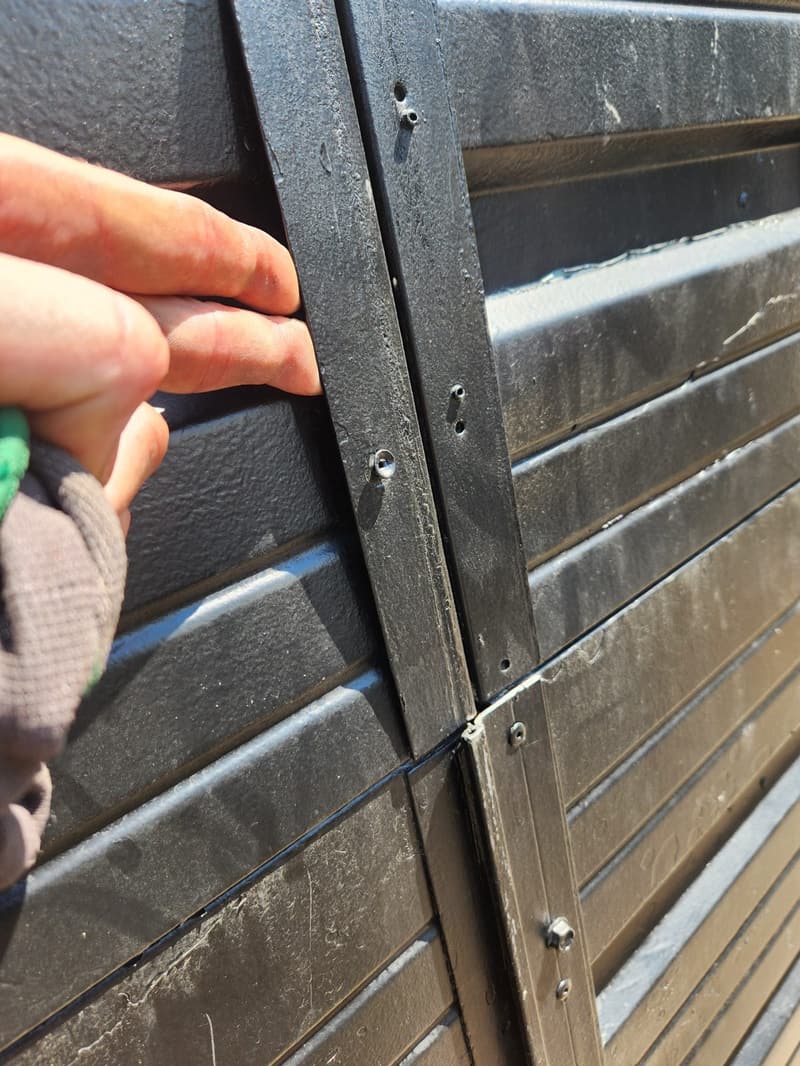
Signs Your Rollers Are Causing the Door to Rebind
Listen for a rhythmic grinding or squeaking that correlates with the door’s position—often worst at the same spot each cycle. Visually, watch the door as it closes: if it lurches, leans to one side, or the gap between door and track widens at a point, a roller is likely seized or broken. You might also see flattened or missing nylon on nylon rollers, or rust and pitting on steel stems. A severely worn roller can pop partially out of the track, causing the door to bind abruptly. These symptoms worsen over time as friction increases.
What Causes Roller Failure Beyond Normal Wear
While rollers have a lifespan (typically 10-15 years for steel, less for nylon), premature failure often stems from preventable issues. Lack of lubrication is the most common—dry rollers overheat and degrade faster. Misaligned tracks force rollers to edge-load, wearing one side of the wheel or bending the stem. Impact damage from a vehicle or stored item can instantly crack a roller or bend its stem. Using incorrect lubricants (like WD-40 instead of silicone-based garage door lube) attracts dust and gumms up, accelerating wear. In coastal areas of Metro Vancouver, salt air can corrode steel rollers and stems faster than inland.
Safe DIY Checks You Can Perform
First, disconnect the opener by pulling the emergency release cord—this lets you operate the door manually. Lift the door halfway and let go; if it stays put, the springs are balanced (a critical safety check before proceeding). Then, manually lower the door slowly, watching and listening at each roller. Feel for roughness or flat spots by hand-spinning each roller (they should turn freely). Inspect the stems for bends or excessive play in the bracket. Look for debris in the tracks—sometimes a small object causes intermittent binding mistaken for roller failure. Lubricate the rollers, stems, and tracks with a proper silicone-based lubricant and test again. If the door still binds at the same point, the roller or track is likely damaged.
When Roller Replacement Requires a Professional
Replacing rollers seems straightforward, but risks exist. The bottom bracket rollers are under extreme tension because they’re attached to the lift cables, which are under spring load. Attempting to remove these without proper tools and training can result in sudden cable release or bracket failure—this is not a DIY task. Similarly, if the track is bent or misaligned due to impact, realigning it requires loosening and repositioning brackets while ensuring the door remains balanced and safe. Steel stem rollers with seized bearings often need pressing out, which risks damaging the bracket if done incorrectly. Any work involving the springs, cables, or bottom brackets should be left to trained technicians due to the stored energy involved.
Frequently Asked Questions
### Can I replace just one roller, or should I do them all?
If one roller has failed due to impact or defect, replacing just that one is acceptable if the others show no wear. However, if failure is from age or lack of maintenance, inspect all rollers—nylon ones often degrade uniformly, and replacing only the worst may lead to repeat service calls soon after.
Will noisy rollers eventually cause the door to not close?
Not necessarily. Noisy rollers (especially steel ones) can be loud but still functional. The issue arises when noise is accompanied by binding, jerking, or visible wear—those indicate increased friction that will eventually trigger the opener’s safety reverse. Lubrication often quiets noisy rollers without fixing underlying wear.
How often should I lubricate my garage door rollers?
Lubricate the rollers, stems, hinges, and tracks every six months with a silicone-based lubricant designed for garage doors. Avoid greases or oils that attract dirt. In Metro Vancouver’s damp climate, more frequent lubrication may be needed if the door is exposed to rain or salt air.
For complex roller or track issues beyond basic lubrication and visual inspection, contact Up & Down Garage Doors at (778) 873-7282 for assessment and repair in Metro Vancouver.