Freezing temperatures cause garage door panels to contract, become brittle, and lose flexibility, which can lead to cracking, warping, or binding in the tracks. This is especially true for older steel, aluminum, or wood-composite panels that have already experienced UV degradation or prior impact damage. When the door cycles in sub-zero conditions, the reduced material elasticity increases stress on fasteners, hinges, and rollers, often resulting in noisy operation or sudden failure. Understanding these physical changes helps homeowners distinguish between normal winter stiffness and actual damage requiring repair.
How Freezing Temperatures Affects Garage Door Panel — How Cold Affects Different Panel Materials
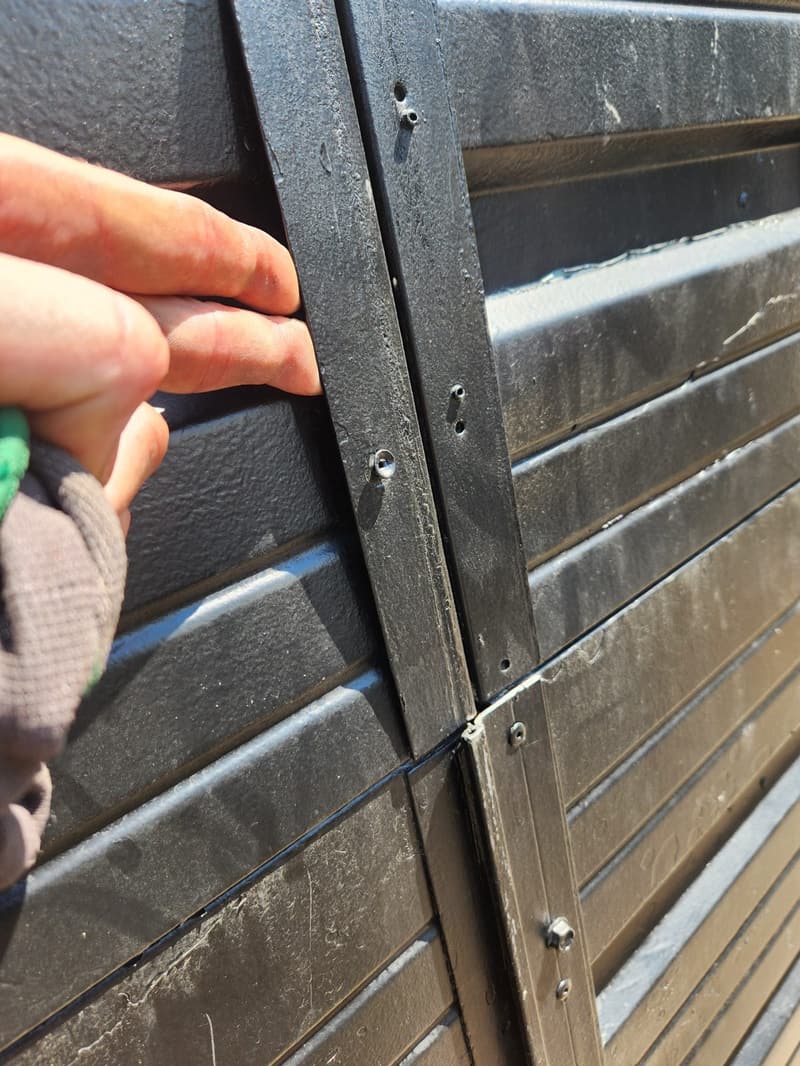
Steel panels contract uniformly in freezing temperatures, but if the coating is compromised or the steel is thin, thermal cycling can accelerate fatigue at seams or stiffener ribs. Aluminum panels, while more resistant to corrosion, have a higher coefficient of thermal expansion than steel, meaning they contract more noticeably in cold—this can cause misalignment if the frame or tracks don’t accommodate the shift. Wood or wood-composite panels absorb moisture from snow or ice, then freeze internally; as ice expands within the material, it can delaminate layers or cause surface spalling. Vinyl-over-steel panels may see the vinyl layer crack or separate from the substrate when flexed in extreme cold, particularly if the door is old or the vinyl has lost plasticity.
Visible and Audible Signs of Cold-Related Damage
Look for hairline cracks along panel edges, especially near hinges or lock points—these often appear after a rapid temperature drop. Warping may show as uneven gaps between panels when the door is closed, or the door may bind at a specific point in its travel. Audibly, you might hear new creaking, popping, or snapping sounds during operation, which differ from the usual roller or hinge noise; these indicate sudden stress release as brittle material fractures or fasteners shift under load. Ice buildup along the bottom seal or between panels can also mimic panel damage by physically obstructing movement—clearing ice first helps determine if the issue is thermal or mechanical.
What Homeowners Can Safely Check Themselves
Before assuming panel failure, inspect the door manually with the opener disconnected. Lift the door halfway—if it stays put, the springs are likely balanced; if it drops or rises, spring tension may be off, but do not adjust springs yourself. Check for loose hinge screws or bent rollers, which can exacerbate panel stress in cold weather and are often fixable with basic tools. Clear ice and snow from the bottom seal and panel gaps using a plastic shovel or broom—never use hot water, as it can refreeze into worse blockages. Lubricate metal hinges, rollers, and tracks with a silicone-based spray (avoid WD-40 on rollers) to reduce friction, but do not lubricate springs or cables.
When Panel Damage Requires Professional Attention
Cracks that penetrate the panel skin, delamination in composite materials, or warping that prevents the door from sealing or moving freely are not DIY repairs. Attempting to force a damaged panel can worsen the failure or create sudden release of stored energy in the door system. Panel replacement requires matching the original gauge, profile, and insulation value to maintain door balance and wind load resistance—especially important for double or triple-layer insulated doors. A technician will also verify that the frame, tracks, and hardware are undamaged, as panel failure can sometimes be a symptom of broader misalignment.
Why Torsion Springs and Cables Are Off-Limits for DIY
The torsion spring system stores enough energy to lift a 200-pound door—if mishandled, it can cause severe injury or death. Cold temperatures make spring steel more brittle, increasing the risk of catastrophic failure during adjustment. Similarly, lift cables under tension can snap unpredictably if frayed or corroded, and they are under constant load even when the door appears stationary. Any work involving spring adjustment, cable replacement, or bottom bracket hardware must be performed by a trained technician using proper tools and safety procedures. Never attempt to repair or replace these components yourself, regardless of how simple the task may seem.
Frequently Asked Questions
Can I prevent my garage door panels from cracking in winter?
You can reduce risk by keeping the door lubricated with appropriate products, clearing ice and snow promptly, and avoiding impacts from shovels or vehicles. Insulated doors with intact weatherstripping handle temperature swings better, but no panel is immune to extreme cold if already weakened by age or prior damage.
Does a noisy garage door in cold weather always mean the panels are damaged?
Not necessarily—increased noise often comes from stiffened lubricant, contracted metal parts, or ice in the tracks. However, new popping or cracking sounds distinct from grinding or squealing should be inspected, as they may indicate material fatigue or fastener failure.
Should I replace just one damaged panel or the whole door?
If the door is older and the panel is discontinued or mismatched in insulation or gauge, replacing the entire door may be more cost-effective and safer for long-term performance. A professional can assess whether panel replacement will restore proper balance and operation.
Reference
For expert assessment of cold-related garage door issues in Metro Vancouver, contact Up & Down Garage Doors at (778) 873-7282.