Heavy rain accelerates corrosion on garage door extension springs, which are exposed steel coils mounted along the horizontal tracks on either side of the door. When moisture penetrates the spring’s surface—especially if the protective coating is worn or damaged—it initiates rust that weakens the steel wire. Over time, this reduces the spring’s ability to store and release energy, causing the door to feel heavy, move unevenly, or fail to stay open. You might hear creaking, groaning, or a sudden snap when the spring finally breaks under load.
How Heavy Rain Affects Garage Door Extension Spring
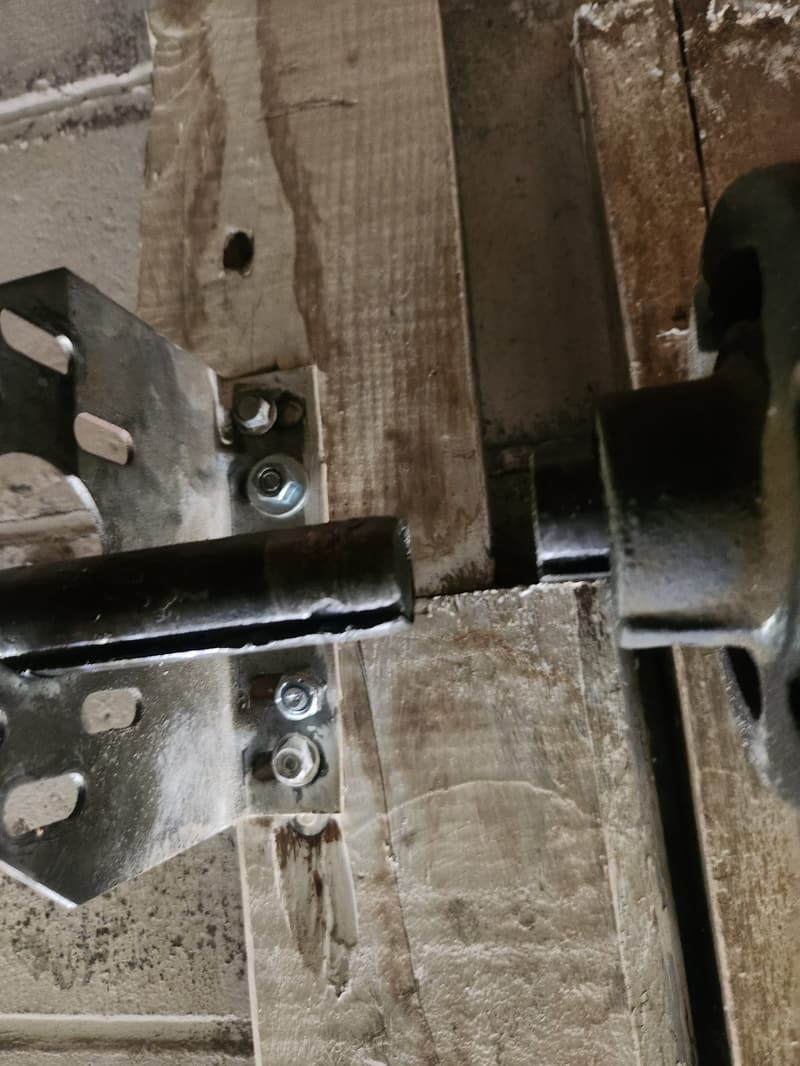
Visible Signs of Rain-Induced Damage
Look for orange-brown flaking or streaks along the spring’s surface, particularly near the ends where they attach to the pulley and track bracket. If the spring feels rough or gritty when you wipe it with a dry cloth, corrosion is active. Check for gaps between coils—healthy springs should be tightly wound with uniform spacing. Any visible deformation, such as necking (localized thinning) or kinks, indicates the steel has yielded and is nearing failure. A door that sags on one side when closed often points to a weakened spring on that side.
Auditory and Operational Clues
Listen for squeaking or grinding during operation—this isn’t just lubricant failure; it’s metal-on-metal contact from rusted coils binding. If the door jerks, stalls mid-travel, or requires extra force to lift manually, the spring has lost tensile strength. A loud bang or snap followed by the door dropping suddenly means a spring has ruptured. Never attempt to operate the door after a suspected break—cables can whip, and the door may fall uncontrollably.
What Homeowners Can Safely Inspect
You can visually examine the springs from inside the garage with the door closed. Use a flashlight to check for rust, gaps, or misalignment. Test the door’s balance: disconnect the opener and lift the door halfway—it should stay put without drifting up or down. If it falls or rises, the springs are losing tension. Lubricate the springs with a silicone-based spray (not WD-40) to displace moisture temporarily, but this won’t reverse corrosion. Never adjust, remove, or attempt to replace extension springs yourself—they store lethal energy and can cause severe injury or death if mishandled.
When Extension Springs Become a Safety Hazard
Once rust penetrates beyond surface oxidation, the spring’s structural integrity is compromised. Unlike cosmetic wear, internal corrosion reduces the wire’s cross-sectional area, lowering its yield strength unpredictably. A spring that looks intact may fail suddenly under normal load. In strata settings, multiple doors sharing the same microclimate can experience synchronized degradation, increasing the risk of concurrent failures. Professionals assess spring condition using tension gauges and visual grading scales—tools not available to homeowners.
Why DIY Replacement Is Not an Option
Extension springs are under constant tension when the door is closed. Releasing them requires specialized tools like spring clamps and winding bars, and even then, the release must be controlled to prevent sudden energy discharge. A snapped spring can launch metal fragments at high speed. Additionally, incorrect spring sizing or improper cable reattachment can lead to door imbalance, premature opener failure, or catastrophic drop. Only technicians trained in spring systems should handle removal, replacement, or tension adjustment.
Frequently Asked Questions
### Can I paint or coat the extension springs to prevent rain damage?
Painting or coating extension springs is not recommended. Any added layer can interfere with coil movement, trap moisture against the steel, or flake off and contaminate the tracks. Manufacturers apply specific corrosion-resistant coatings during production; field-applied treatments often void warranties and create safety hazards by altering spring flexibility or increasing friction.
Does rain affect torsion springs the same way as extension springs?
Torsion springs are generally less exposed to direct rain because they’re mounted inside a steel shaft above the door. However, if the shaft seal is compromised or humidity is chronically high, internal corrosion can still occur. Torsion springs fail less frequently from rain alone but are far more dangerous to handle due to higher stored energy—never attempt DIY inspection or adjustment.
How often should I have my garage door springs inspected in a wet climate like BC’s?
In Metro Vancouver’s climate, inspect extension springs visually every three months, especially after prolonged rainy periods. Schedule a professional inspection annually or sooner if you notice operational changes, rust, or imbalance. Strata councils should include spring checks in routine building maintenance schedules to prevent unexpected failures across multiple units.
Up & Down Garage Doors (778) 873-7282