High humidity in Metro Vancouver doesn’t just make the air feel heavy—it directly interferes with the mechanical and electrical components of your garage door opener. Moisture in the air accelerates corrosion on metal parts, degrades lubricants, and increases resistance in moving systems, all of which force the opener to work harder than designed. This isn’t just about discomfort; it’s about premature wear, erratic operation, and potential safety risks if left unchecked.
How Humidity Affects Garage Door Opener — How Moisture Attacks the Drive System
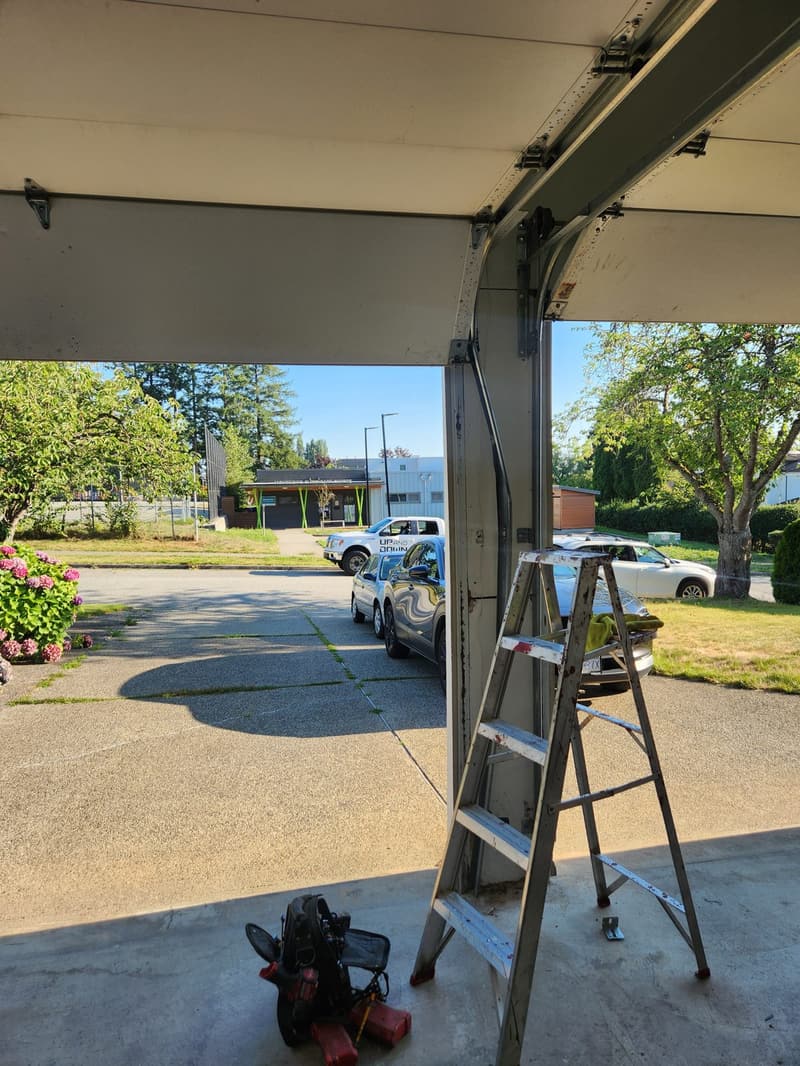
The most visible effect of humidity is on the drive mechanism—whether chain, belt, or screw. In coastal areas, salt-laden air combines with moisture to create a mild electrolyte that speeds up oxidation. Steel chains develop surface rust within weeks if not lubricated, increasing friction and causing the motor to draw more current. You’ll hear a grinding or squeaking noise, especially during startup or when the door is moving slowly. Belt drives resist corrosion better but can still absorb moisture, leading to slight stretching and slippage over time. Screw drives, while sealed, rely on lubricant that breaks down faster in damp conditions, causing sticky or jerky motion. If the door hesitates mid-cycle or reverses unexpectedly, the drive system is likely struggling.
Electrical Components and Condensation Risk
Humidity doesn’t just affect metal—it threatens the opener’s circuit board and wiring. Condensation forms inside the motor housing when warm, moist air meets cooler surfaces, especially during temperature swings between day and night. This moisture can cause short circuits, corrosion on terminal connections, or intermittent signals to the safety sensors. You might notice the opener responds inconsistently to the remote, or the wall button works but the remote doesn’t—even with fresh batteries. If the light on the unit flickers or fails to turn on, or if you see a faint white or green crust on the circuit board (signs of corrosion), electrical damage is probable.
Lubricant Breakdown and Increased Load
Lubricants aren’t immune to humidity either. Grease and oil on rollers, hinges, and the rail absorb moisture, which reduces their viscosity and washing away protective films. This leaves metal-on-metal contact points exposed, increasing friction and forcing the motor to compensate. Over time, this leads to overheating, thermal shutdowns, or a burnt smell from the motor housing. You can check this yourself: disconnect the opener (pull the emergency release cord) and manually lift the door. If it feels sticky, uneven, or requires significant force—especially at the top or bottom of the track—the problem isn’t the opener; it’s the door’s hardware suffering from moisture-degraded lubricant.
Sensor Misalignment and False Obstructions
Safety sensors at the base of the door rely on an unbroken infrared beam. Humidity causes lens fogging or condensation on the sensor covers, scattering the beam and tricking the system into thinking something is blocking the door. This results in the door reversing immediately after closing, or refusing to close at all. Wipe the lenses with a dry microfiber cloth—if the problem stops, humidity-induced condensation was the culprit. If the lenses are clean and the issue persists, check for loose wiring or misalignment; moisture can corrode sensor terminals over time, weakening the signal.
What You Can Safely Check Yourself
Homeowners can perform several checks without risk: disconnect the opener and test door balance manually; inspect and wipe sensor lenses; listen for unusual noises during operation; check for visible rust on the chain or rail; and ensure the opener’s ventilation vents aren’t blocked by debris or cobwebs. Lubricating rollers, hinges, and the rail with a silicone-based lubricant (not WD-40) is safe and effective—do this every 3–4 months in humid seasons. Never attempt to adjust spring tension, remove the motor cover to access the circuit board, or tamper with the torsion spring assembly. These components store lethal energy and require professional tools and training.
When to Call a Professional
If the door won’t stay open or closed, moves unevenly, makes loud banging noises, or the motor overheats and shuts down frequently, the issue likely involves spring tension, cable wear, or internal motor failure—none of which are DIY-safe. A technician will test the opener’s amp draw, inspect the drive sprocket for wear, check for corrosion on the motor shaft, and verify sensor voltage levels. They’ll also re-lubricate internal components with moisture-resistant grease and advise on environmental seals or dehumidification strategies if the garage is particularly prone to dampness.
Frequently Asked Questions
Can I use a dehumidifier in my garage to protect the opener?
Yes, a refrigerant or desiccant dehumidifier reduces ambient moisture, slowing corrosion and lubricant breakdown. Place it away from direct sunlight and ensure it drains properly—empty the tank regularly or connect a drain hose. This won’t fix existing damage but helps prevent further degradation.
Why does my opener work fine in summer but fail in fall?
Fall brings rising humidity and cooler temperatures, increasing condensation inside the motor housing. Lubricants thicken slightly in cold air, while moisture-laden air promotes corrosion—combined, this creates higher electrical resistance and mechanical strain that the opener wasn’t designed to handle continuously.
Is belt drive better than chain drive in humid climates?
Belt drives resist corrosion better than chains since they don’t rust, but they can still absorb moisture and stretch over time. Both require regular maintenance in coastal BC—chains need more frequent lubrication and rust inspection; belts need checking for cracking or fraying from UV and moisture exposure.
For expert assessment of humidity-related garage door opener issues in Metro Vancouver, contact Up & Down Garage Doors at (778) 873-7282.