Garage door safety sensors prevent the door from closing on people, pets, or objects by creating an infrared beam across the opening. When the beam is broken, the door stops and reverses. If the sensors are misaligned, the beam is interrupted even when nothing is in the way, causing the door to refuse to close or to reverse immediately after starting down. This is a common issue homeowners can often diagnose and sometimes fix themselves, but it requires understanding how the system works and where the risks lie.
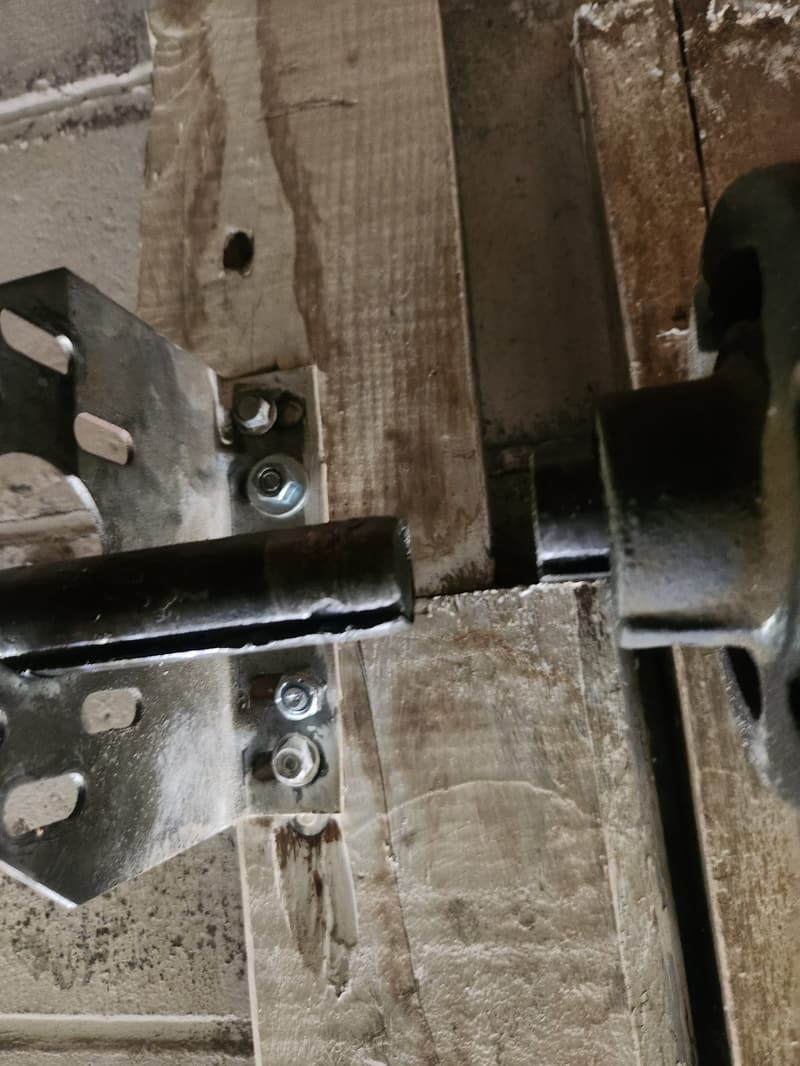
How to Align Sensors Garage Door Strut
Why Sensors Become Misaligned
Misalignment happens due to physical disturbance. Common causes include bumping the sensor with a bicycle, lawn equipment, or a vehicle’s side mirror. Vibration from the door opening and closing can loosen mounting brackets over time. Dirt, spider webs, or condensation on the lens can also interrupt the beam, mimicking misalignment. In rare cases, wiring damage from rodents or wear can cause signal loss, but this is less frequent than physical displacement. The sensors are delicate; even a few degrees of tilt can break the beam.
What Misalignment Looks and Sounds Like
When sensors are misaligned, the door will start to close but reverse almost immediately—often before it moves more than a few inches. You may hear the motor run for a second, then stop and reverse. The opener lights may flash in a specific pattern (consult your manual for blink codes). The receiving sensor’s light will likely be off or blinking instead of solid. If you close the door using the wall button while holding it down, the door may close slowly—but this bypasses safety features and should only be done for testing, not regular use.
What You Can Safely Check Yourself
First, inspect the sensor lenses. Clean them gently with a soft, dry cloth—no solvents or sprays. Look for obstructions like dirt, debris, or water spots. Next, check the mounting brackets. Ensure each sensor is firmly attached and not loose on its screw or strap. Look at the indicator lights: one should be solid (sender), the other solid when aligned (receiver). If either is blinking or off, attempt to adjust the sensor by hand. Loosen the mounting screw just enough to allow movement, then slowly tilt the sensor until the receiver light stays solid. Retighten the screw and test the door. Do not over-tighten, as this can strip the plastic housing.
When Alignment Isn’t the Problem
If cleaning and physical adjustment don’t restore a solid receiver light, the issue may be deeper. Faulty wiring, a failed sensor unit, or a problem with the opener’s logic board can mimic misalignment. You can test for wiring issues by checking for loose connections at the sensor and opener terminals—only if you’re comfortable working with low-voltage wiring. Never cut or splice wires without proper knowledge. If the sensors appear aligned and clean but the light won’t stay solid, or if the door behaves erratically in other ways (e.g., won’t open, opens partially), the problem likely requires professional diagnosis.
What Not to Touch: Torsion Springs and High-Tension Components
The garage door strut itself is not under tension, but it is connected to the door’s lifting system. Never attempt to adjust, remove, or repair torsion springs, extension springs, cables, or the spring anchor bracket. These components store immense energy and can cause severe injury or death if mishandled. Even if you suspect the strut is bent or damaged, do not force it or try to realign it under load. The strut’s role is to reinforce the top section of the door; if it’s compromised, the door may be unbalanced, but fixing it involves spring tension. Leave spring-related work to trained technicians.
Frequently Asked Questions
Can sunlight interfere with the sensors?
Yes, strong sunlight can overwhelm the infrared receiver, especially during low-angle morning or evening hours. This can cause intermittent false obstructions. Some sensors have sunlight filters, but if the issue is time-of-day specific, shading the receiving unit with a small baffle may help.
Do both sensor lights need to be on?
The sending sensor’s light is usually always on (indicating power). The receiving sensor’s light should be solid when properly aligned and receiving the beam. If the receiver light is off or blinking, it is not detecting the signal, which means misalignment, obstruction, or failure.
Is it safe to operate the door if I hold the wall button down?
Holding the wall button down closes the door in a continuous-pressure mode that bypasses the safety sensors. This is only for testing or emergency use—not for regular operation. Leaving the door unattended in this mode risks injury or damage if something is in the path.
Up & Down Garage Doors (778) 873-7282