If your garage door starts to close but reverses back up before reaching the floor, a bent or misaligned top strut is a common mechanical cause. This happens when the door’s safety system detects an obstruction, even if nothing is physically in the way. The strut, a horizontal reinforcement bar across the top panel, can bend from impact or fatigue, causing the door to bind in the track as it lowers. This triggers the garage door opener’s force sensitivity, making it reverse to prevent damage or injury. You’ll typically hear the motor strain briefly, then stop and reverse, often with a clicking or grinding noise from the opener unit. The door may stop evenly or jerk to one side depending on how the strut is deformed.
How the Top Strut Affects Door Movement
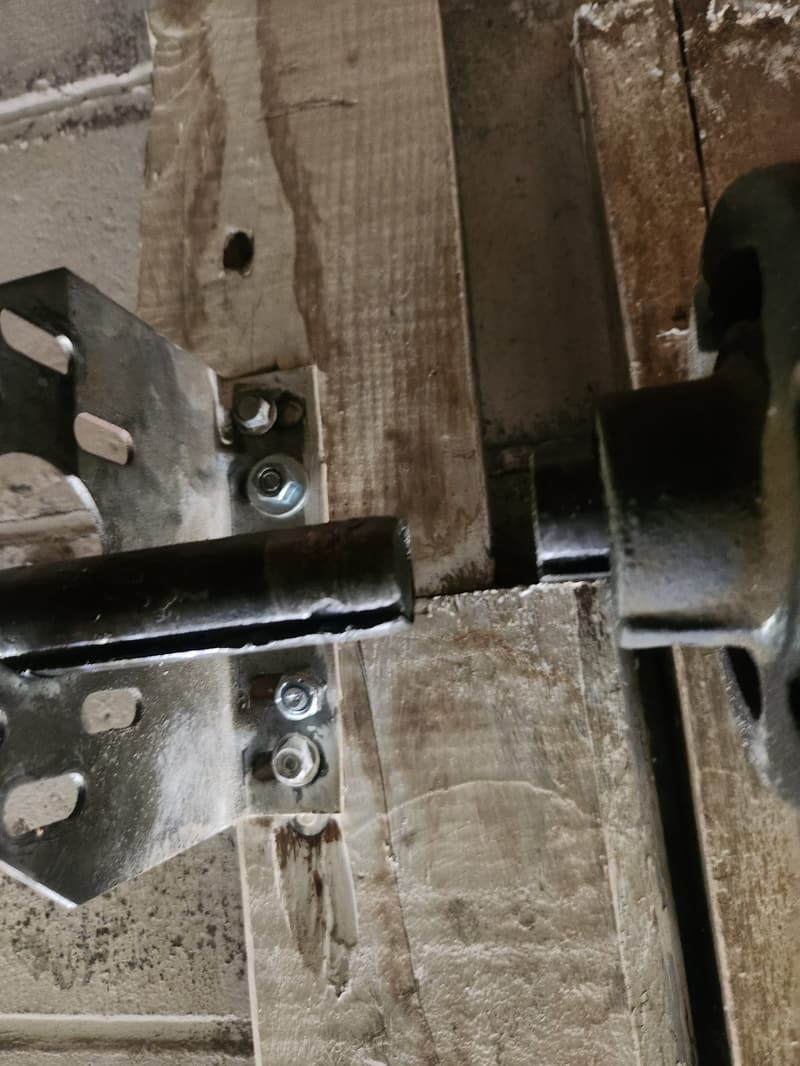
The top strut runs horizontally across the interior of the top door panel, linking the left and right sides to prevent sagging. When closing, the door relies on even pressure across all rollers and hinges. If the strut is bent upward or twisted, the top edge of the door lifts slightly as it descends, misaligning the rollers in the vertical track. This creates drag that the opener interprets as an obstacle. Unlike a sensor misalignment—which usually causes immediate reversal—strut-related binding often allows the door to move 6–12 inches before reversing, indicating mechanical resistance rather than an electronic fault.
Visual Signs of a Bent or Damaged Strut
Inspect the strut from inside the garage with the door fully open. Look for visible bowing, kinks, or gaps between the strut and the panel interior. A properly installed strut sits flush against the reinforcement ribs. Use a straightedge—like a level or steel ruler—along the underside; any deviation shows deformation. Check the strut’s mounting brackets at each end; loose or cracked fasteners can allow movement that mimics bending. Listen for creaking or popping when manually flexing the door panel near the strut—this indicates metal fatigue or fracture.
What You Can Safely Check Yourself
You can verify track alignment, roller condition, and strut position without tools beyond a flashlight and straightedge. Disconnect the opener by pulling the emergency release cord, then lift the door manually. It should move smoothly with minimal resistance. If it binds at the same point during manual operation, the issue is mechanical, not electronic. Inspect rollers for wear or seizure, and check that hinges are tight and lubricated. Never adjust or remove the strut bolts while the door is under tension—these are not load-bearing in a way that risks spring release, but improper reassembly can cause misalignment.
When the Problem Is Not the Strut
If the door reverses immediately upon starting to close, or if the opener lights flash, the issue is likely sensor-related—misaligned photo-eyes, dirty lenses, or wiring faults. A door that reverses only intermittently or varies by temperature may indicate opener force sensitivity needing adjustment (a task requiring caution, as incorrect settings defeat safety features). Broken cables or worn pulleys can also cause uneven lift, but these usually produce loud snapping or slack cable symptoms before reversal occurs.
Why DIY Strut Repair Is Risky
Straightening a bent strut seems simple, but the door panel is under constant torsional load from the springs. Attempting to force it back into shape can crack the panel or damage the interlocking hinges. Replacement struts must match the door’s gauge and width precisely—using an incorrect part creates new stress points. More critically, if the strut is attached to a section with compromised reinforcement, removing it risks sudden panel failure. This is not a spring tension hazard, but it is a structural integrity risk that can lead to sudden door collapse.
Frequently Asked Questions
Can a garage door reverse due to cold weather affecting the strut?
Cold makes steel more brittle, so a marginal strut may crack or bend more easily in freezing temperatures, but the strut itself doesn’t change shape due to cold alone. What changes is the lubricant in rollers and hinges—thickened grease increases friction, which combined with a weakened strut can trigger reversal. Lubricate moving parts with silicone-based spray before winter to rule this out.
How do I know if the strut is factory-installed or an aftermarket fix?
Factory struts are stamped with the door manufacturer’s logo or part number and sit in designated channels within the panel ribs. Aftermarket struts often sit on top of the panel, secured with external brackets, and may not align with reinforcement points. If you see bolts going through the panel skin rather than into internal ribs, it’s likely a field repair.
Should I lubricate the strut or its brackets?
No—the strut is a rigid brace, not a moving part. Lubricating it attracts dust and serves no purpose. Focus lubrication on roller stems, hinges, and the opener’s drive screw or chain. Use only non-silicone lubricant on hinges if specified by the door manufacturer; otherwise, silicone spray is safe for most residential steel doors.
If you’ve checked the tracks, rollers, and strut and still see reversal, the issue may involve opener force settings or internal door damage requiring professional assessment. For diagnostic service in Metro Vancouver, contact Up & Down Garage Doors at (778) 873-7282.