New Garage Door Installation Delta
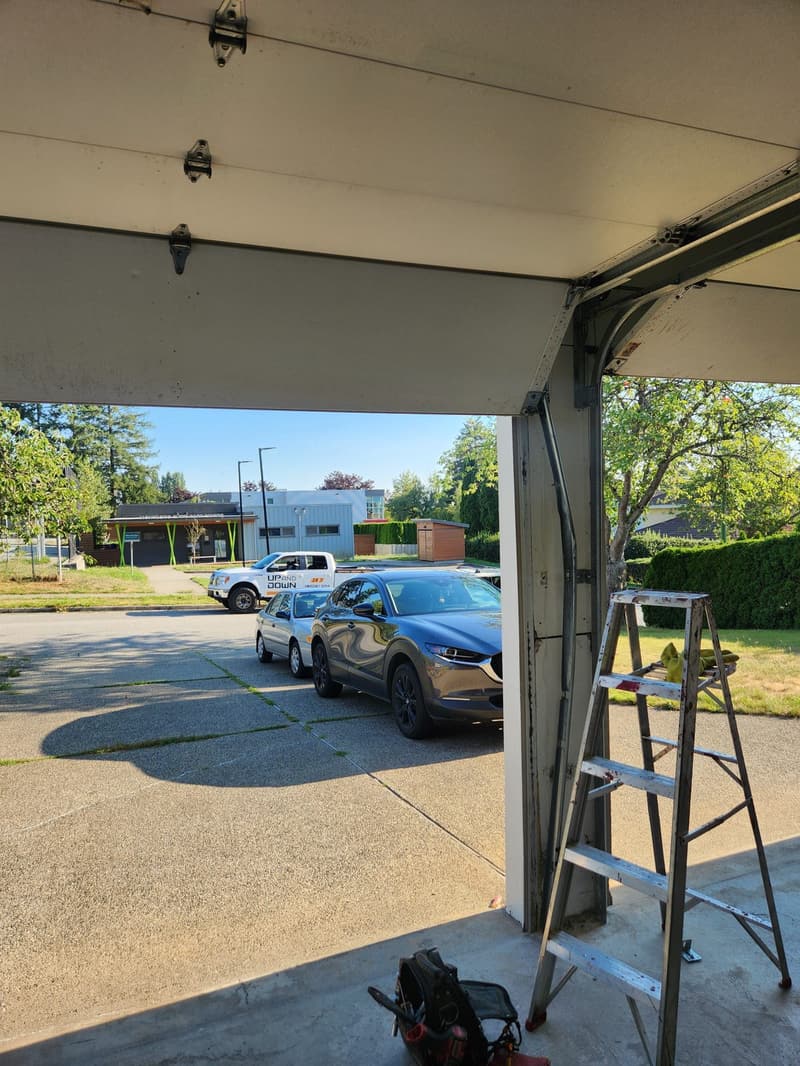
When considering a new garage door installation in Delta, the first step is evaluating your home’s specific requirements. Delta’s diverse housing stock—from older bungalows in Ladner near 56th Street to newer builds in Tsawwassen close to the ferry terminal—means garage dimensions and structural conditions vary widely. Older homes may have non-standard openings or rotted wood framing that needs repair before installation. We measure the rough opening carefully, check headroom and sideroom clearance, and assess the condition of the existing jambs and header. This is especially important in areas near the Fraser River where moisture can compromise wood over time. We also consider wind load ratings relevant to Delta’s exposure, particularly in open areas near Boundary Bay or the airport flight paths, where sustained gusts can stress a door system.
Choosing the Right Door Style and Material for Delta’s Climate
Delta’s climate—mild winters with frequent rain and occasional freezing spells—demands materials that resist corrosion and warping. Steel doors with a galvanized core and baked-on polyester finish are common choices for their durability and low maintenance, especially in neighborhoods like North Delta along 112th Street where road salt from winter maintenance can accelerate rust. For homeowners seeking a wood appearance without the upkeep, composite or faux-wood steel doors offer a realistic grain texture with better weather resistance. Insulation is another key factor; many Delta homes have attached garages that double as workshops or storage, so an R-value of R-12 to R-18 helps maintain temperature stability. We avoid recommending hollow-core steel doors in detached garages facing the Strait of Georgia, where salt-laden air increases corrosion risk.
Understanding Mechanical Components and Failure Modes
A new garage door installation isn’t just about the panels—it’s about integrating the entire system to prevent premature failure. One common issue we see in older Delta homes is mismatched spring tension. If the torsion springs aren’t calibrated to the door’s actual weight—especially after adding insulation or decorative overlays—the door may bind, strain the opener, or cause cables to fray. We’ve encountered cases in Ladner where DIY spring adjustments led to sudden failure because the spring’s wire size didn’t match the door’s height and width. Another failure mode involves roller degradation; nylon rollers can crack in UV exposure, while steel rollers without sealed bearings seize up in damp conditions. We use 10-ball steel rollers with sealed bearings for longevity, particularly in coastal areas like Tsawwassen. Misaligned tracks, often from settling foundations in Delta’s silty soil, can cause the door to rub or jump the track—we shim and level the vertical tracks during installation to prevent this.
The Installation Process: From Removal to Tuning
We begin by safely disconnecting and removing the old door, taking care not to damage the jambs or header—especially in homes with stucco or brick facades common in North Delta. The new door sections are assembled on sawhorses, starting with the bottom panel, which we set on a level surface using a long spirit level to ensure the first section sits perfectly plumb. Each subsequent panel is attached with hinges, and we verify the gap between sections is uniform to prevent binding. The vertical tracks are installed first, anchored to the jambs with lag bolts into solid wood—we avoid anchoring into drywall or rotted material, which we’ve seen in older homes near River Road. After hanging the door, we install the torsion spring system on the header, wind the springs to the correct torque based on door weight and height, and attach the lift cables. Finally, we mount the opener, align the safety sensors, and perform multiple balance tests—lifting the door manually to waist height to confirm it stays put, indicating proper spring tension.
Post-Installation Checks and Maintenance Guidance
After installation, we conduct a 12-point inspection: checking track alignment, roller operation, hinge integrity, cable tension, and weather seal compression. We test the auto-reverse mechanism using a 2×4 laid flat on the floor—it must reverse within two seconds of contact. We also verify the emergency release cord functions properly and is within reach. For Delta homeowners, we advise lubricating the hinges, rollers, and springs every six months with a silicone-based spray—avoiding WD-40, which attracts dust and can degrade rubber seals. We note that in areas with high pollen or salt air, like near the Tsawwassen Causeway, more frequent cleaning of the door surface may be needed to prevent staining. We provide a walkthrough of the manual release and remind customers never to attempt spring adjustments themselves—torsion springs store lethal energy and require specialized tools and training.
Frequently Asked Questions
How long does a typical new garage door installation take in Delta?
Installation time varies based on door size, condition of the opening, and whether structural repairs are needed. Most standard residential installations in Delta are completed within one full day, though we avoid promising fixed timelines as each home presents unique conditions—especially older properties in Ladner where jamb repair may add time.
Do you install insulated garage doors suitable for Delta’s weather?
Yes, we install steel doors with polyurethane or polystyrene insulation ranging from R-12 to R-18, appropriate for Delta’s mild but damp climate. These help reduce temperature transfer in attached garages and are commonly used in neighborhoods like North Delta and Tsawwassen where garages are heated or used year-round.
Can you match the style of my existing home in Delta?
We work with a range of designs—from traditional raised-panel to modern flush or carriage-house styles—to complement Delta’s architectural variety. Whether your home is a 1970s split-level near 64th Avenue or a newer build close to the Tsawwassen Mills, we can recommend options that align with local aesthetics while meeting functional needs.