Strata Garage Door Service Delta
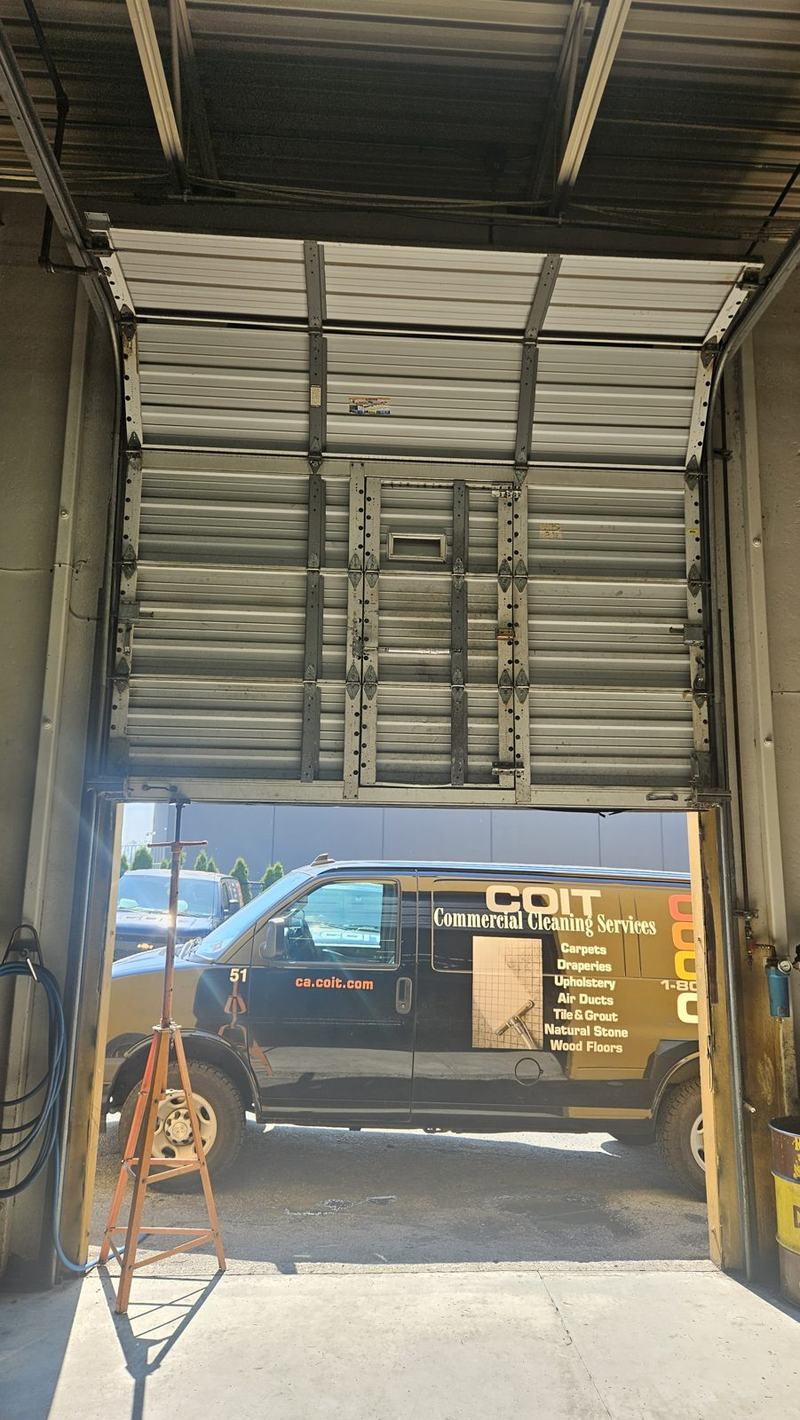
Strata properties in Delta present unique challenges for garage door maintenance due to their age, construction style, and high-frequency use. Many townhouse complexes in neighbourhoods like Nordel, Annacis Island, and the area surrounding 72nd Avenue and Highway 91 were built in the 1980s and 1990s with sectional steel doors featuring torsion spring systems. These doors are often shared between units or serve as common access points to underground parking, meaning wear accumulates faster than in single-family homes. The constant cycling—sometimes dozens of times per day across multiple units—accelerates fatigue in springs, cables, rollers, and hinges. Salt air from the Fraser River estuary contributes to corrosion on steel components, particularly in lower units near River Road or along the eastern edge of Delta near the Burns Bog drainage corridors. We regularly see premature rust on bottom brackets and cable drums in these locations, which if left unaddressed can lead to sudden failure.
Common Failure Modes in Strata Garage Doors
The most frequent mechanical issues we encounter in Delta strata buildings involve torsion spring fatigue. Springs are rated for a specific number of cycles—typically 10,000 to 20,000—and in a busy strata complex, that limit can be reached in under five years. When a spring breaks, it often does so with significant force, posing a safety risk in shared spaces. We also see worn rollers causing doors to bind or jump tracks, especially in older nylon rollers that degrade under UV exposure and temperature swings common in Delta’s coastal climate. Misaligned tracks are another frequent issue, often resulting from minor impacts by delivery vehicles or moving trucks in underground parkades where clearance is tight. Cable fraying is prevalent in units near the Scott Road corridor, where industrial vibration from nearby rail lines and truck traffic on Highway 91 accelerates metal fatigue. Opener gears, particularly in chain-drive units installed during the 1990s building boom, frequently strip under sustained load when doors are unbalanced due to spring wear.
Why Strata-Specific Service Matters
Servicing garage doors in a strata environment requires coordination and communication that single-family repairs do not. Access to common areas often requires notification to strata councils or property managers, and work may need to be scheduled during low-traffic hours to minimize disruption to residents. We understand that decisions about repairs or replacements often involve multiple stakeholders, so we provide clear, itemized assessments that outline safety concerns, code compliance issues (such as CAN/CSA S16-14 for structural components), and long-term cost implications. For example, replacing a single broken spring without inspecting the opposing spring or cables can lead to uneven wear and a second failure within weeks. We always recommend replacing springs in pairs on double-door units common in Delta townhouses, even if only one appears failed, to maintain balance and prevent recurring service calls.
Our Approach to Strata Garage Door Maintenance
We begin every strata service visit with a full system inspection: checking spring tension, cable condition, roller wear, track alignment, hinge integrity, and opener safety features like photo-eyes and auto-reverse mechanisms. In Delta’s damp climate, we pay close attention to the bottom weather seal and door panels for signs of rot or delamination, especially on older wood-composite doors still found in some older complexes near Ladner Trunk Road. We lubricate moving parts with a silicone-based lubricant that won’t attract dust or degrade in humidity—never WD-40, which attracts contaminants and breaks down quickly. We test the door’s balance by disconnecting the opener and manually lifting the door; it should stay open halfway without drifting. If it doesn’t, spring tension is incorrect and poses a hazard. We also verify that emergency release cords are accessible and functional, a requirement often overlooked in strata settings where doors are infrequently operated manually.
Addressing Delta’s Environmental Factors
Delta’s proximity to the ocean and its flat, low-lying terrain mean that garage doors here face specific environmental stresses. Salt-laden air from the Strait of Georgia accelerates corrosion on exposed steel, particularly in areas like Tsawwassen and Point Roberts-adjacent zones where marine influence is stronger. We recommend galvanized or powder-coated hardware for replacements in these zones, and we routinely inspect for white rust on zinc-coated components—a sign of active corrosion that precedes red rust. Temperature fluctuations, while less extreme than inland BC, still cause metal to expand and contract, loosening bolts over time. We check all fasteners during service, especially on tracks and opener mounts, using torque wrenches to ensure they meet manufacturer specifications. In underground parkades near the Alex Fraser Bridge, we’ve seen increased vibration-related loosening of hardware due to heavy truck traffic, requiring more frequent inspections.