Off Track Garage Door Repair Delta
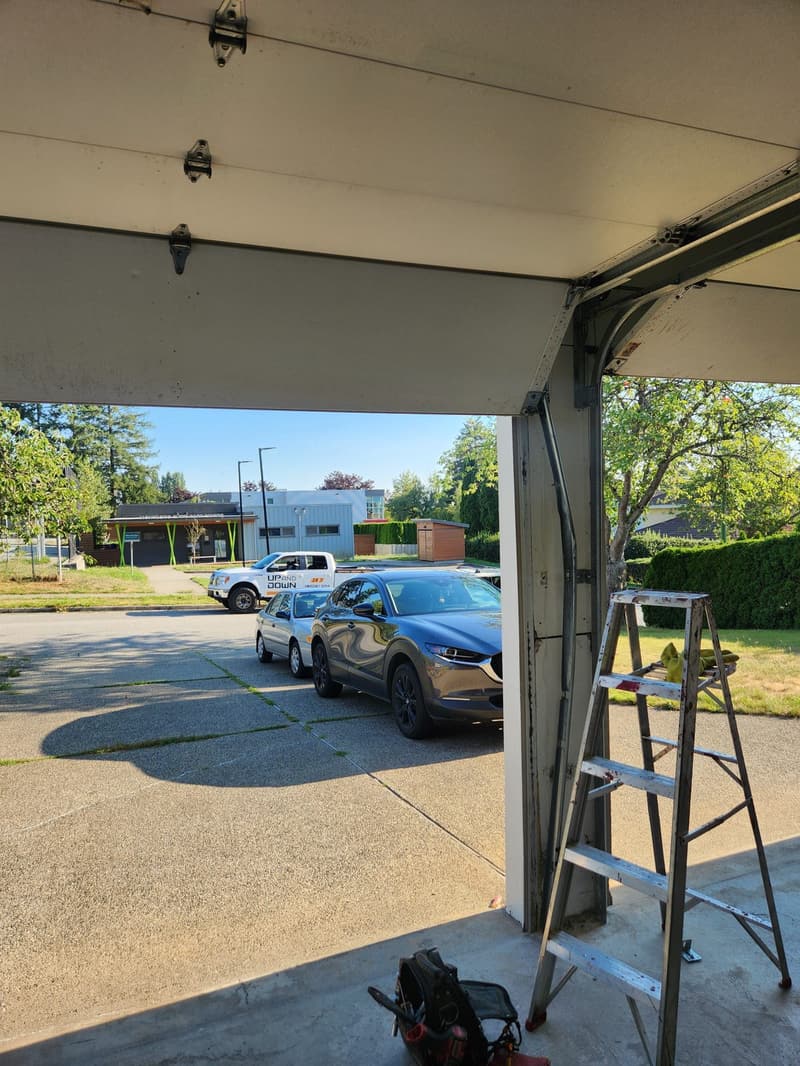
Garage doors in Delta frequently come off-track due to the region’s specific environmental and structural conditions. Coastal humidity accelerates rust on steel rollers and hinges, particularly in older homes near the Fraser River or along Highway 99 where salt-laden air from the Strait of Georgia increases corrosion. In neighbourhoods like Ladner and Tsawwassen, where many homes were built in the 1970s and 1980s, original garage door hardware often lacks modern corrosion-resistant coatings. When rollers seize or bend, the door’s weight shifts unevenly, pulling the cables off the drums or causing the panels to bind against the tracks. Impact from vehicles—common in driveways with tight turns or narrow garages—can also bend track sections, especially where concrete slabs have settled unevenly over time due to Delta’s alluvial soil composition. These aren’t random failures; they’re predictable outcomes of material fatigue, poor maintenance, and local geology interacting with mechanical systems.
How We Diagnose Off-Track Issues Before Repair
Our technicians begin every off-track repair in Delta with a systematic inspection, not a guess. We check roller condition first—looking for flat spots, cracks, or seized bearings that prevent smooth rotation. Next, we examine the vertical and horizontal tracks for dents, bends, or misalignment caused by foundation shifting, which is prevalent in areas like Boundary Bay where soil saturation varies seasonally. We verify cable tension and drum integrity, as frayed cables or worn drums often precede track disengagement. We also assess the door’s balance by disconnecting the opener and manually lifting the door; if it doesn’t stay put halfway, spring tension is likely compromised, contributing to track stress. We never assume the track is the sole issue—often, a bent track is a symptom of failing rollers or springs. This diagnostic approach prevents repeat visits and ensures we address the root cause, not just the visible symptom.
Repair Process: Realigning Tracks and Replacing Worn Components
Once diagnosed, we secure the door in the open position using locking pliers on the tracks to prevent sudden movement. We then carefully realign bent track sections using a track straightening tool and a level, ensuring the vertical track is plumb within 1/8 inch and the horizontal track maintains the correct 15-degree slope toward the back of the garage. If rollers are damaged, we replace them with nylon-coated steel rollers rated for 10,000+ cycles—superior to the original plastic or bare steel versions common in Delta’s older housing stock. We lubricate all moving parts with a silicone-based garage door lubricant, avoiding petroleum-based products that attract dust and degrade faster in humid conditions. If cables are frayed or drums are worn, we replace them as a set to maintain balanced tension. We never reuse compromised hardware—safety and longevity depend on using components matched to the door’s weight and size, which we verify using the manufacturer’s specs or by measuring the door’s dimensions and spring system.
Why Delta’s Climate and Building Stock Demand Specialized Repair
Delta’s unique combination of coastal moisture, seasonal temperature swings, and prevalent soil types creates a harsh environment for garage door mechanics. Homes in North Delta, particularly those built on former farmland with high clay content, experience more foundation shift than those on sandy soils near the coast. This shifting exerts lateral pressure on garage frames, slowly twisting the track mounts out of alignment. In Ladner, where many homes have detached garages with minimal insulation, temperature fluctuations cause metal components to expand and contract repeatedly, accelerating fatigue. We’ve seen doors come off-track not from a single incident, but from months of gradual misalignment exacerbated by lack of maintenance. Our repair process accounts for these local factors—we don’t just fix the door; we adjust for the specific conditions that caused it to fail, reducing the likelihood of recurrence.
Preventive Maintenance Tips for Delta Homeowners
To avoid future off-track incidents, Delta residents should inspect their garage door hardware every three months, especially before winter and after heavy rain seasons. Look for rust on rollers, loose bolts on track brackets, or gaps between the door and the seal when closed. Lubricate rollers, hinges, and springs with a garage door-specific lubricant—never WD-40, which strips existing lubrication and attracts grime. Keep tracks clean of debris; leaves, dirt, and even sand from nearby beaches can accumulate and impede roller movement. Test the door’s balance monthly: disconnect the opener and lift the door halfway—if it falls or rises, the springs need adjustment. If you notice grinding, scraping, or the door jerking during operation, stop using it and call for inspection. Ignoring early signs leads to more expensive repairs, including panel damage or opener strain, which are far costlier than a timely track realignment.
Frequently Asked Questions
What causes a garage door to come off-track in Delta’s climate?
Coastal humidity accelerates rust on steel rollers and hinges, while seasonal soil shifts in Delta’s alluvial and clay-rich areas can misalign track mounts over time. Older homes in Ladner and Tsawwassen often have original hardware that lacks modern corrosion resistance, making them more susceptible to failure when combined with minor impacts or lack of lubrication.
Can I fix an off-track garage door myself?
Attempting to realign tracks or reset cables without proper tools and knowledge risks serious injury from spring tension or sudden door movement. We’ve seen DIY attempts result in bent panels, broken cables, or damaged openers—repairs that cost more than professional service. Always disconnect the opener and secure the door before inspecting, but leave the realignment and component replacement to a trained technician.
How often should I have my garage door inspected in Delta?
We recommend a professional inspection every 12 to 18 months, or sooner if you notice unusual noises, slow operation, or visible wear on rollers or cables. Homes near the Fraser River or in areas with high clay soil, like parts of North Delta, benefit from more frequent checks due to increased corrosion and foundation movement risks.