Services
Locations
📞 (778) 873-7282
Home / Blog / Why Your Garage Door Lifting Cable Makes Noise and What It Means

Why Your Garage Door Lifting Cable Makes Noise and What It Means

Learn what causes noisy lifting cables on garage doors, how to diagnose the issue safely, and when to call a professional for repair in Metro Vancouver.

Call (778) 873-7282
Licensed & insured
Open 24 hours
Based in Richmond
5-star rated

A noisy lifting cable on your garage door usually means the cable is frayed, rubbing against something, or losing tension. This sound often starts as a squeak or rattle during operation and can progress to a sharp snapping or grinding noise. Ignoring it risks sudden cable failure, which can cause the door to drop unexpectedly. The first step is to listen closely while the door moves to locate where the noise originates.

Garage Door Is Noisy Lifting Cable Problem
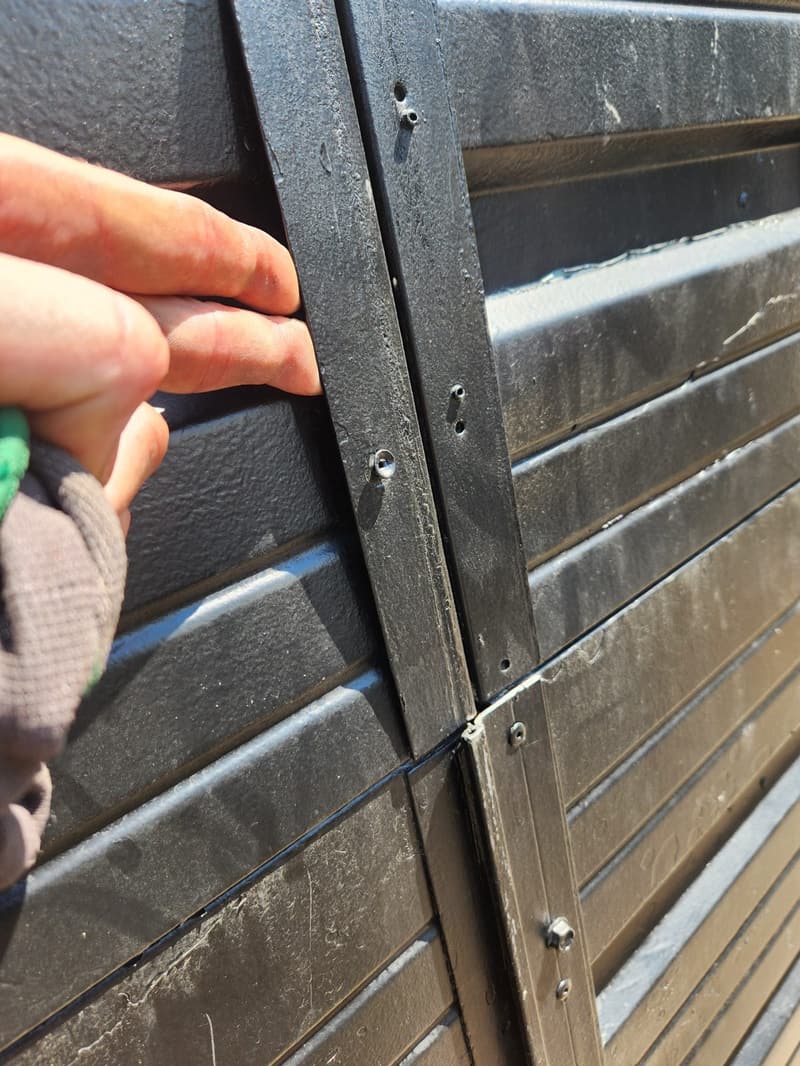
Garage Door Is Noisy Lifting Cable Problem — garage door cable and hardware repair
Garage Door Is Noisy Lifting Cable Problem — real job photo, Up & Down Garage Doors.

Common Causes of Noise in Lifting Cables
Fraying is the most frequent issue. Over time, individual wires in the cable break due to fatigue, especially near the bottom bracket or where the cable bends around the drum. These broken ends can snag on hardware, causing a ticking sound. Misalignment is another cause — if the door shifts in the track, the cable may rub against the vertical angle or a bolt. Corrosion from moisture, common in coastal Metro Vancouver areas, weakens the cable and increases friction. In rare cases, a loose cable drum set screw allows the cable to slip, creating a sudden slack and noise.

What You Can Safely Check Yourself
You can inspect the cables visually when the door is fully closed and disconnected from the opener. Look for rust, broken wires, or kinks — especially within six inches of the bottom bracket and where the cable contacts the drum. Check that the cable sits neatly in the drum groove without crossing over itself. Listen for where the noise occurs: if it’s only when the door is near the floor, the issue is likely low; if it happens mid-travel, inspect the vertical track and rollers. Never attempt to adjust cable tension or loosen hardware while the door is under load.

When Noise Indicates a Serious Problem
A loud bang followed by uneven door movement often means a cable has snapped. This releases sudden tension on the spring system and can cause the door to jam or fall. If you see gaps in the cable, strands protruding, or the cable is not wound smoothly on the drum, stop using the door. Continuing to operate it risks damaging the panels, bending the track, or causing injury. Frayed cables lose strength unpredictably and should be treated as imminently hazardous.

Why DIY Cable Repair Is Not Recommended
Lifting cables operate under the same high tension as torsion springs. Attempting to remove, adjust, or replace a cable without releasing spring tension properly can result in violent spring release, causing severe injury or death. Even if the spring appears intact, the stored energy is sufficient to launch hardware like a projectile. Proper repair requires winding bars, torque knowledge, and experience with the specific drum and spring configuration. This is not a task for online tutorials or general handyman skills.

What a Professional Repair Involves
A technician will first secure the door and release spring tension using proper tools. They’ll inspect the entire system — drums, cables, springs, and brackets — for related wear. The faulty cable is replaced with one of matching length, diameter, and construction (typically 7×7 or 7×19 aircraft-grade steel). After installation, they reapply tension evenly, test balance, and lubricate moving parts. They’ll also check for root causes like track misalignment or roller wear that contributed to the cable issue.

Frequently Asked Questions
### Can I lubricate the cable to stop the noise?
Lubricating the cable itself is not recommended and can attract dirt that accelerates wear. Instead, lubricate the rollers, hinges, and bearing plates with a silicone-based garage door lubricant. If the noise comes from cable-on-metal contact, lubrication won’t fix fraying or misalignment and may mask a worsening condition.

How long do garage door lifting cables typically last?
Under normal use, lifting cables last 8-12 years, but this varies with climate, usage frequency, and maintenance. In Metro Vancouver’s damp environment, corrosion can shorten lifespan. Annual inspection helps catch wear before it becomes hazardous.

Is a noisy cable dangerous if the door still opens and closes?
Yes. Noise indicates wear or damage that compromises the cable’s integrity. A partially failed cable can snap without warning, especially under load. Treat any abnormal sound as a sign to stop using the door and have it inspected promptly.

Stuck door? Let's get it moving.

One call, a clear price, and the job done right — 24/7 across Metro Vancouver.

📞 Call (778) 873-7282