Services
Locations
📞 (778) 873-7282
Home / Blog / What Causes Garage Door Opener Wear in Wet BC Climates

What Causes Garage Door Opener Wear in Wet BC Climates

Learn how moisture, salt, and temperature swings in Metro Vancouver accelerate garage door opener wear. See what fails, why, and what you can safely inspect.

Call (778) 873-7282
Licensed & insured
Open 24 hours
Based in Richmond
5-star rated

Garage door opener wear in wet climates like Metro Vancouver is primarily caused by persistent moisture infiltration, airborne chlorides from ocean exposure, and repeated thermal cycling that degrades lubricants and corrodes internal components. These factors combine to accelerate wear on gears, chains, belts, and motor bearings, leading to sluggish operation, unusual noises, and eventual failure if unaddressed. Understanding the specific failure mechanisms helps homeowners distinguish between normal aging and preventable damage.

What Causes Garage Door Opener Wear Wet Climate
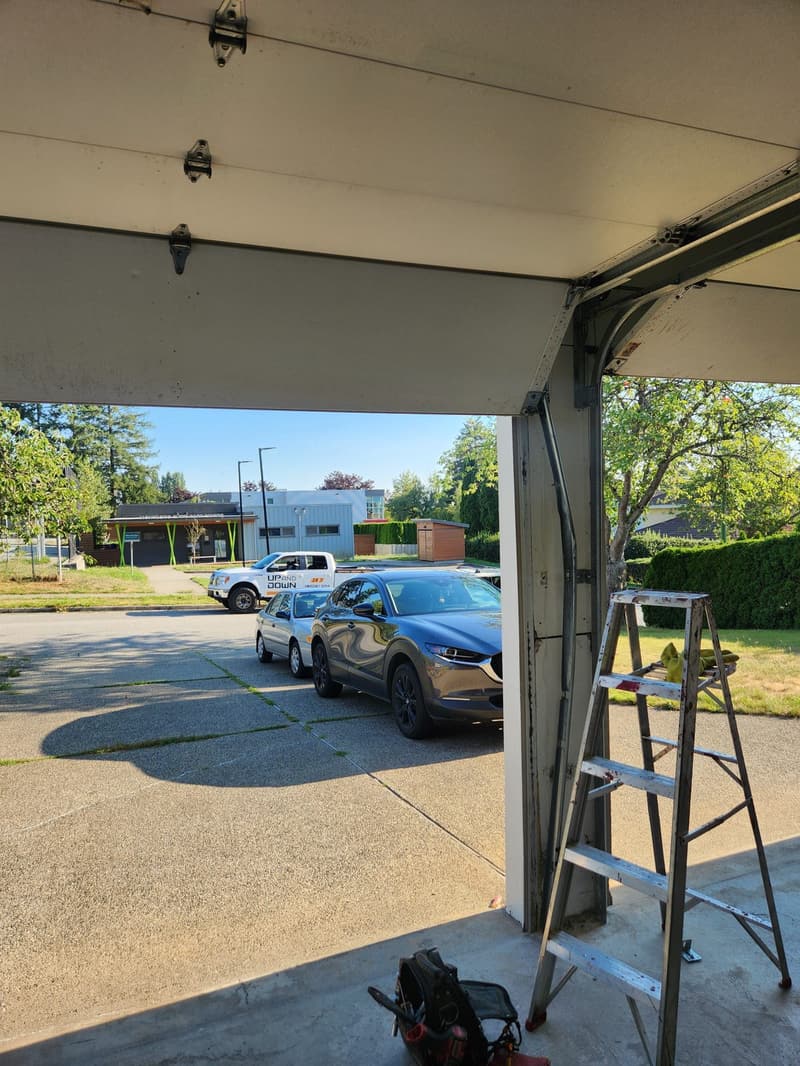
double residential garage door tune-up
What Causes Garage Door Opener Wear Wet Climate — real job photo, Up & Down Garage Doors.

Why Chlorides Accelerate Corrosion Near the Coast
Homes near the Salish Sea or Fraser River estuary are exposed to airborne salt particles that settle on the opener. Chlorides are hygroscopic, meaning they attract and hold moisture against metal surfaces, creating a persistent electrolyte that speeds up electrochemical corrosion. This is worse than rain alone because it keeps components damp even during dry periods. Look for white, flaky deposits on screws, bolts, or the motor housing—this is salt corrosion. It often appears first on the outer casing but can migrate inward via ventilation holes. Wiping the exterior with a damp cloth monthly reduces buildup, but internal corrosion requires disassembly.

The Role of Temperature Swings in Lubricant Breakdown
Metro Vancouver’s frequent shifts between cold, damp winters and mild, humid summers cause lubricants inside the opener to thicken, thin, and then oxidize. Grease on the drive worm gear or motor bearings loses viscosity when warm, then becomes stiff and cracked when cold. This cycling leaves behind sludge that increases drag and traps moisture against metal. The motor may strain, drawing more current and overheating, which you might notice as a hot housing or a burnt smell after prolonged use. Listen for a high-pitched whine that changes pitch as the door moves—this indicates bearing wear from inadequate lubrication.

What Belt and Chain Drive Systems Reveal About Wear
Belt-driven openers show wear through fraying, glazing, or cracking of the rubber belt, especially where it bends around the sprocket. Moisture accelerates rubber degradation, making it brittle. Chain drives stretch unevenly when links corrode, causing slack that leads to skipping or slapping noises. Both systems may cause the door to reverse unexpectedly if the opener senses excessive resistance. Check the belt or chain for uniform tension—it should deflect about 1/4 inch when pressed midway between sprockets. Excessive slack or stiff links mean wear is advancing.

When to Check the Motor Brushes and Capacitor
In older AC motor openers, carbon brushes wear down with use, and moisture speeds up corrosion of the brass commutator they contact. Worn brushes cause intermittent power loss—you’ll hear the motor sputter or cut out mid-cycle. The start capacitor, which helps the motor initiate motion, can fail when exposed to dampness, resulting in a humming sound without movement. These are internal electrical components; inspecting them requires opening the motor housing and should only be done if you’re experienced with low-voltage systems. Otherwise, observe symptoms: humming without motion or sudden cutouts suggest brush or capacitor failure.

What You Can Safely Inspect Yourself
Homeowners can safely check the door’s balance by disconnecting the opener and lifting the door manually—it should stay put halfway up without drifting. Examine the rollers for worn bearings or cracked nylon, and wipe the track clean of debris and salt residue. Lubricate hinges, rollers, and bearings with silicone-based spray (not WD-40) every six months. Test the auto-reverse feature by placing a 2×4 flat on the floor under the door—it should reverse on contact. Never adjust torsion springs, cables, or the opener’s internal drive mechanism; these are under high tension and can cause severe injury if mishandled.

Frequently Asked Questions
### Can I use regular grease on my garage door opener?
No. Use only silicone-based lubricant designed for garage doors. Grease attracts dust and moisture, forming abrasive paste that accelerates wear on gears and chains.

Why does my opener work fine in summer but struggle in winter?
Cold temperatures thicken lubricants and increase brittleness in rubber belts or nylon gears. Moisture that froze overnight can also bind moving parts until thawed.

Is it normal for my opener to make more noise when it’s raining?
Yes. Humidity can cause temporary surface rust on gears or increase belt slippage, leading to louder operation until the components dry and lubricate again.

Stuck door? Let's get it moving.

One call, a clear price, and the job done right — 24/7 across Metro Vancouver.

📞 Call (778) 873-7282