Up and Down Garage Doors analyzes extension versus torsion spring systems for Metro Vancouver BC residential doors, comparing stretch mechanics versus torque delivery, containment cable requirements, and conversion considerations across Richmond, Burnaby, Surrey, and North Shore housing stock.
Extension vs Torsion Springs Technical
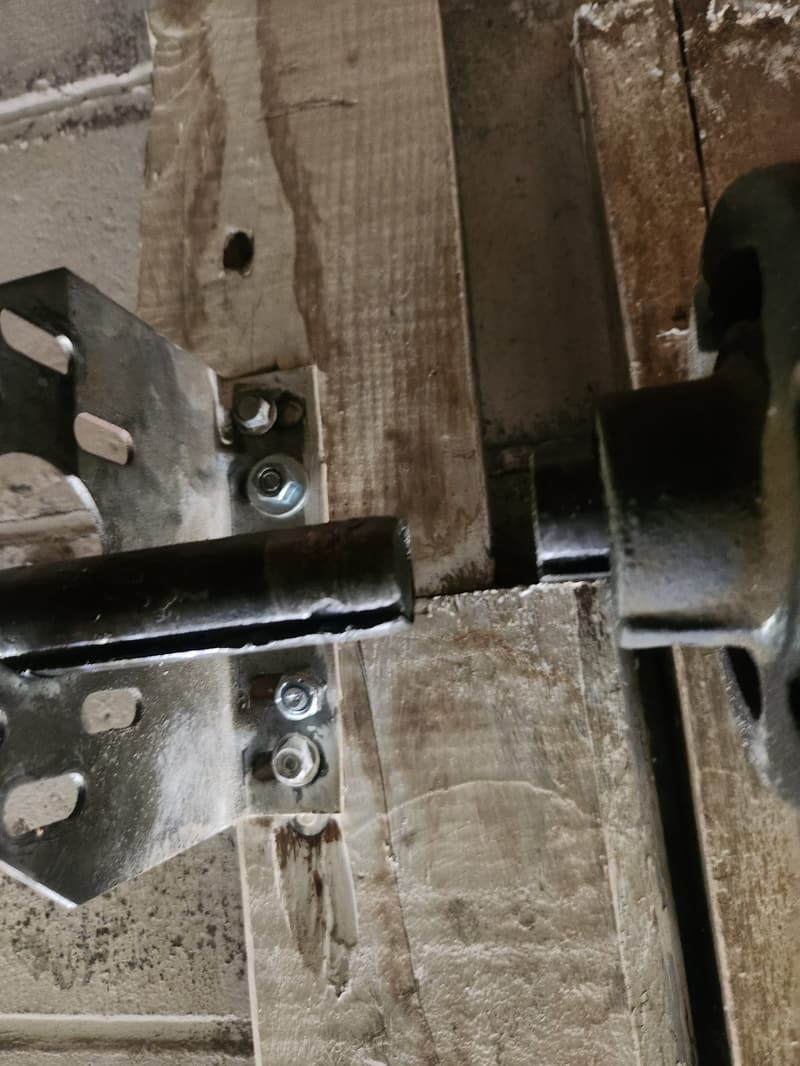
Extension springs operate on Hooke’s law — they stretch along the horizontal track, storing potential energy as linear tension. Each spring mounts perpendicular to the door track with a pulley and safety cable running through its center. Torsion springs wind around a steel shaft above the door opening, storing energy as rotational torque. The shaft transfers force through cable drums to lift cables on each side of the door. Extension systems typically use paired springs (one per side) while torsion systems use one or two springs on a single shaft depending on door weight and width.
What Are the Standard Wire Diameters and Gauge Specifications?
Extension springs for residential doors commonly range from .192″ to .262″ wire diameter (approximately 6 to 3 gauge). A typical 7′ high door uses .207″ (5 gauge) or .225″ (4 gauge) wire. Torsion springs span .192″ to .306″ wire diameter (6 gauge to 7/0 gauge). Standard residential torsion springs fall in the .207″ to .262″ range (5 to 3 gauge). Wire diameter directly determines spring rate (IPPT — inch-pounds per turn) and cycle life. Thicker wire yields higher cycle ratings but requires larger shaft diameter and drum specifications.
How Do Cycle Ratings Differ Between Systems?
Standard residential extension springs rate at 10,000 cycles (one cycle = full open and close). Torsion springs at the same wire diameter typically achieve 15,000 to 20,000 cycles due to more uniform stress distribution across the coiled body. High-cycle torsion springs (25,000 to 50,000+ cycles) use larger wire diameters (.283″ to .306″, 1/0 to 7/0 gauge) on 1″ or 1-1/4″ shafts with correspondingly larger cable drums. Extension springs rarely exceed 15,000 cycles because stretch mechanics concentrate stress at the hook ends and coil transitions.
When Are Containment Cables Required?
Containment cables (safety cables) are mandatory on all extension spring installations per DASMA standards and BC building code adoption. The cable threads through the spring center and anchors to the track or wall bracket, preventing the spring from becoming a projectile if it fractures. Torsion springs do not require containment cables because the shaft contains the spring body — a broken torsion spring remains captive on the shaft. However, torsion systems require proper winding bars, calibrated torque procedures, and secure set-screw engagement on the cable drums to prevent uncontrolled release.
What Does Converting from Extension to Torsion Involve?
Conversion requires removing the extension spring track hardware, pulleys, and rear track hangers. A torsion shaft assembly (shaft, springs, cable drums, center bearing bracket, end bearing plates) mounts to the header above the door. The header must support the concentrated load — solid 2×12 or double 2×10 blocking is typical in Metro Vancouver wood-frame construction. Cable drums replace the extension pulleys; lift cables run from bottom brackets to drums. Low-headroom applications may need a front-mount torsion kit or jackshaft opener. Conversion typically suits doors 8′ wide and wider where torsion’s balanced lift reduces track and roller wear.
How Does Metro Vancouver Climate Affect Spring Selection?
Coastal humidity accelerates surface corrosion on uncoated springs. Oil-tempered wire (standard black finish) resists corrosion better than zinc-galvanized extension springs in Richmond, Delta, and White Rock environments where salt air penetrates garage ventilation. Powder-coated torsion springs offer additional protection. Temperature swings between 5°C and 25°C cause minimal rate change, but extended sub-zero snaps (rare but occurring in North Shore and Burnaby Mountain elevations) temporarily increase spring rate — doors feel heavier until springs warm up. Regular lubrication with silicone-based spray every 6 months mitigates corrosion and noise in this climate.
FAQ: Extension vs Torsion Spring Systems
Which spring system lasts longer on a standard 16×7 residential door?
Torsion springs typically last 15,000 to 20,000 cycles versus 10,000 cycles for extension springs at equivalent wire diameter. On a door cycled 4 times daily, torsion yields 10 to 13 years versus 7 years for extension.
Can I replace just one broken extension spring?
Replace both springs as a matched pair. The unbroken spring has undergone identical fatigue cycles and will fail soon after. Mismatched spring rates cause uneven door travel and opener strain.
What wire gauge do I need for a 300 lb insulated door?
A 16′ x 7′ insulated steel door (~300 lb) typically requires .243″ (7/32″, approx 3 gauge) torsion wire on a 1″ shaft with 4″ cable drums, or paired .262″ extension springs. Exact sizing requires measuring door weight, track radius, and drum circumference.
Are torsion springs safer than extension springs?
Both systems are safe when installed to DASMA standards. Extension springs require containment cables; torsion springs require professional winding. DIY torsion winding causes serious injury — the stored torque on a wound spring exceeds 300 ft-lb on typical residential doors.
Does converting to torsion increase my header load?
Yes. Extension springs distribute load along rear track hangers. Torsion concentrates the full spring force (200-400+ lb) at the center and end bearing plates. Header reinforcement is often required in older Vancouver Special and 1970s split-level construction.
What maintenance differs between the two systems?
Extension springs: inspect containment cables for fraying, lubricate pulley bearings, check hook integrity. Torsion springs: lubricate spring coils and shaft bearings, verify set-screw torque on drums, check cable drum alignment. Both need annual inspection.
Need Spring Service in Metro Vancouver BC?
Call 778-873-7282 for expert spring repair, conversion, or high-cycle upgrades.
Related services: Richmond garage door repair | Vancouver broken spring repair | Burnaby cable replacement | spring cost estimates | instant online quote