Limit switches on a garage door opener tell the motor when to stop running as the door opens or closes. They are not part of the lifting cable itself but are mounted on the opener unit, usually near the drive gear or trolley. When these switches are misadjusted, the door may not open fully, not close completely, or reverse immediately after hitting the floor. This happens because the switch contacts trip too early or too late, cutting power to the motor before the door reaches its intended position. You might hear the motor run longer than needed, strain against the door, or see the door jerk or stall at the top or bottom of travel. The lifting cable itself does not have adjustable limits—it transfers force from the springs and opener to the door, but limit control is handled electrically by the opener’s internal switches.
How to Adjust Limit Switches Garage Door Lifting Cable
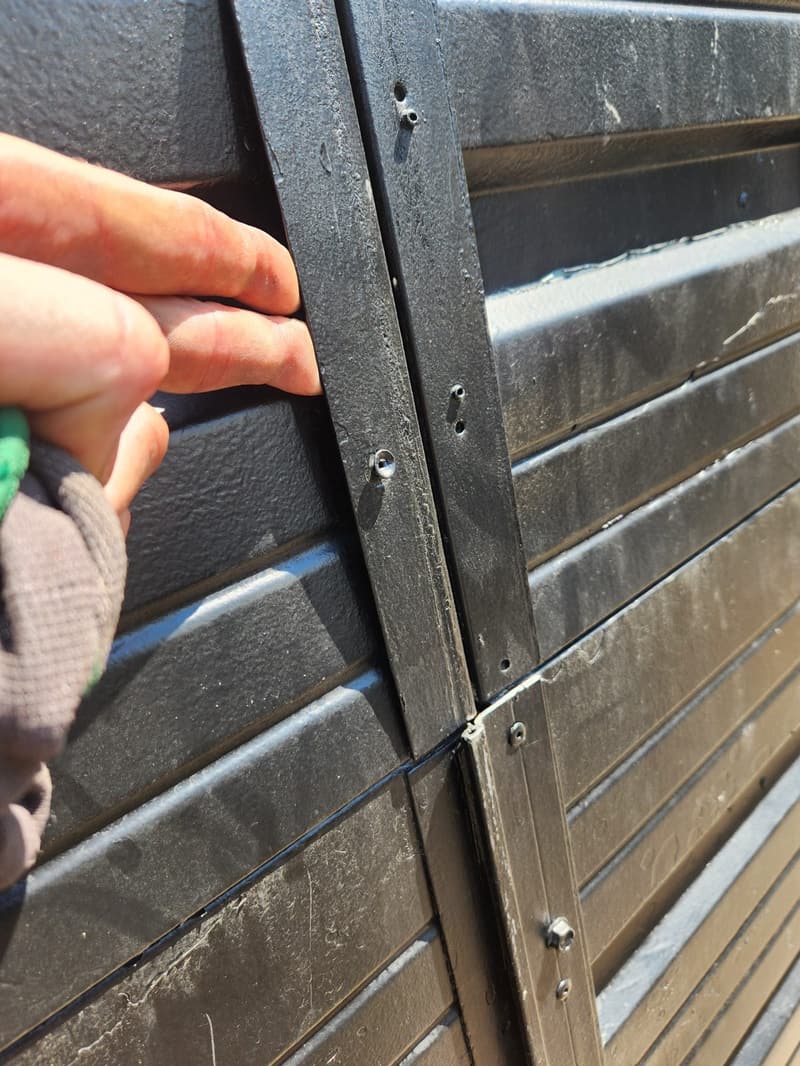
Signs Your Limit Switches Need Adjustment
A door that doesn’t open all the way leaves a gap at the top, often 2–6 inches, and may trigger the opener’s force-sensing circuit if it strains against the stop. A door that doesn’t close fully leaves a gap at the bottom, which can let in weather, pests, or compromise security. If the door reverses immediately after touching the floor, the down-limit is likely set too far, making the opener think it hit an obstruction. You might also hear the motor hum or click after the door stops moving, indicating it’s still getting power but the switch didn’t trip. Watch the door cycle: if it stops before the top panel clears the opening or the bottom seal doesn’t compress slightly on the floor, the limits are off.
What You Can Safely Check Yourself
Before touching any adjustments, disconnect the opener from power by unplugging it or turning off the circuit breaker. Manually lift the door to the halfway point—it should stay put if the springs are balanced. If it falls or rises, the springs need professional attention; do not proceed. With power restored, observe the door’s travel. Note where it stops relative to the door frame and floor. You can mark the fully open and closed positions on the door jamb with tape. Then, with the door closed, check if the down-limit cam or screw needs to turn clockwise (to reduce travel) or counterclockwise (to increase it). Same for the up-limit: if the door doesn’t open enough, the up-limit likely needs less rotation (clockwise on most models). Only attempt adjustment if you can clearly see the switches and have the opener’s manual for reference.
When Adjustment Is Not a DIY Task
If the door moves unevenly, jerks, or makes grinding noises during travel, the issue may be worn rollers, misaligned tracks, or a failing gear drive—not the limit switches. Any work involving torsion springs, extension springs with safety cables missing, or the opener’s internal drive gear requires a technician. Stored tension in springs can cause severe injury if released unexpectedly. If the limit switches are corroded, broken, or the opener is over 15 years old, replacement is often safer than adjustment. Never attempt to adjust limits while the door is under load or if you cannot identify the switch type. When in doubt, stop and consult a professional—this is not a repair where guessing is acceptable.
Frequently Asked Questions
### Can I adjust the limit switches if my garage door has a belt drive instead of a chain drive?
Yes, the limit switch mechanism is independent of the drive type. Belt, chain, and screw-drive openers all use the same rotary cam or screw-adjusted limit switches on the motor shaft. The adjustment process is identical regardless of how the trolley is moved.
Why does my door reverse after closing even though the limit switch seems set correctly?
This is often due to the down-force sensitivity being too high, not the limit switch. The limit switch tells the motor when to stop, but the force setting determines how much resistance triggers a reversal. If the floor is uneven or the seal is new and stiff, the motor may sense excess force and reverse, mimicking a limit issue.
How often should garage door limit switches be checked?
Check them seasonally or after any major temperature shift, as metal components expand and contract, affecting travel distance. Also inspect after a power outage, manual release use, or if you’ve adjusted the door’s springs or cables—any change in door weight or balance can shift where the limits need to be set.
If you’re unsure about the condition of your limit switches, springs, or opener, contact Up & Down Garage Doors at (778) 873-7282 for an assessment.