Garage Door Opener Installation Richmond
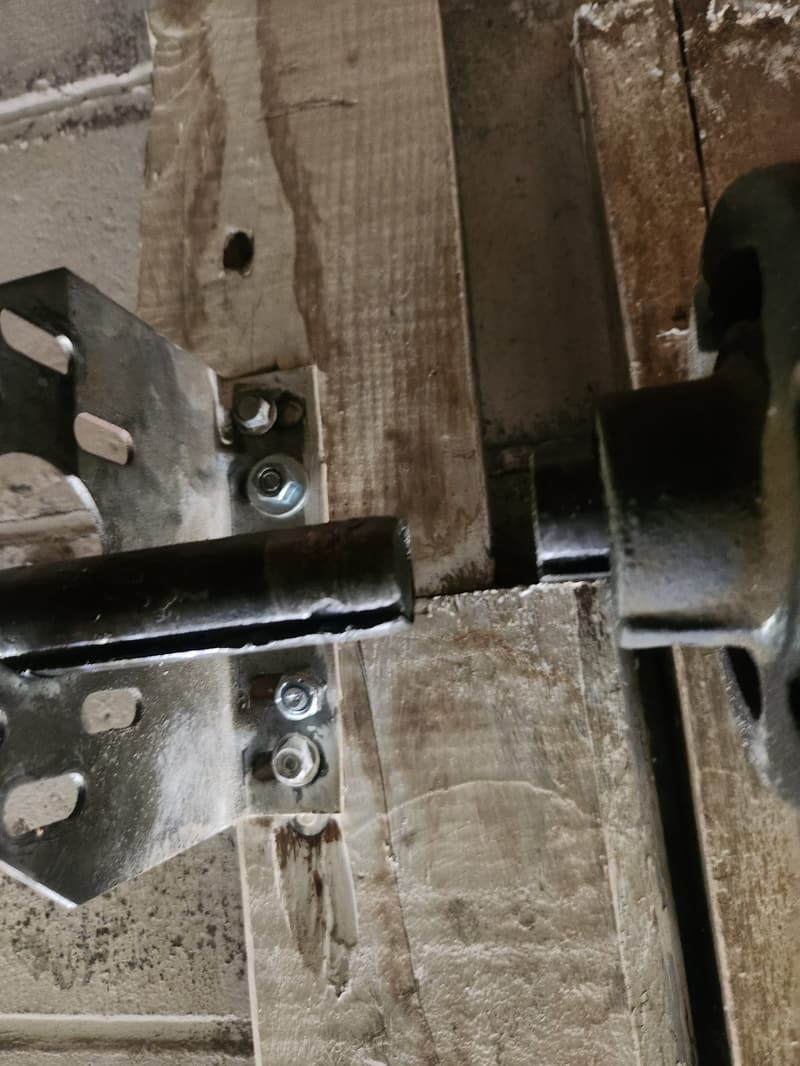
In Richmond’s diverse housing stock, from older detached homes in Steveston to newer townhouses in City Centre, garage door openers face unique environmental and structural demands. Coastal humidity, seasonal temperature swings, and varying door weights—especially with insulated steel or wood composite doors common in the area—require precise opener selection and installation. A mismatched or poorly installed opener doesn’t just fail to operate; it accelerates wear on springs, cables, and rollers, creating safety hazards and costly repairs down the line. We assess each door’s specific characteristics before recommending a drive system.
Drive System Selection for Local Conditions
Richmond garage doors commonly use sectional designs with torsion springs mounted above the door. For these systems, belt-drive openers are often ideal in attached garages where noise transmission to living spaces is a concern—common in Richmond’s narrow-lot homes where garages sit adjacent to bedrooms or living rooms. Chain-drive units remain suitable for detached garages in areas like East Richmond or near the airport industrial zone, where noise is less critical and durability under frequent use is prioritized. Screw-drive openers, while less common now, can still be effective for lighter doors in newer developments with consistent maintenance, but they’re more sensitive to temperature fluctuations and lubrication breakdown in our climate.
Why Horsepower Matters for Richmond Doors
Many Richmond homes feature double-car garages with doors exceeding 16 feet in width, often carrying significant weight due to insulation layers added for energy efficiency—a practical upgrade given BC’s energy codes. A 1/2 HP opener may struggle with these heavier doors, especially if the torsion springs are aging or improperly tensioned. We frequently see 1/2 HP units straining, overheating, or tripping thermal overloads during Richmond’s colder months when grease thickens and door movement becomes more resistant. For doors over 250 pounds or those with added wind-load reinforcement common in coastal zones, a 3/4 HP motor provides the necessary torque to operate smoothly without shortening the opener’s lifespan.
Installation Precision and Safety Systems
Proper installation goes beyond mounting the rail and hanging the motor. The header bracket must be securely fastened to a structural lintel—not just drywall or sheathing—to handle the repeated torque during operation. In older Richmond homes, particularly those built before the 1980s in areas like Brighouse or South Arm, headers may be undersized or compromised by prior modifications, requiring reinforcement with a steel plate or engineered wood block. We also verify that the safety reversing mechanism—mandated by BC building code and federal regulations—functions correctly. This involves placing a 2×4 on the floor where the door closes; the door must reverse upon contact within two seconds. Photoelectric sensors are mounted no higher than 6 inches from the floor to detect low obstructions like pets or children’s toys.
Electrical and Wiring Considerations
Garage door openers require a dedicated 120V circuit, ideally on a GFCI-protected breaker for safety in damp environments. In Richmond’s older neighborhoods, we often find garages fed by shared circuits or outdated knob-and-tube wiring that can’t handle the motor’s startup surge. Running a new 14/2 NM-B cable from the panel to the ceiling-mounted outlet near the opener is standard practice. We also ensure the wiring is secured within 12 inches of the box and protected where it passes through studs or joists—critical in unfinished garages where rodents or physical damage could compromise insulation. For homes with smart home integration, we run low-voltage wire to the wall control panel and verify compatibility with the opener’s logic board.
Post-Installation Calibration and Testing
After mounting, we perform a full cycle test: door travel limits are set so the door sits flush with the floor seal without over-traveling, which can strain the top roller or bend the rail. The force adjustment is calibrated so the door reverses with approximately 10-15 pounds of resistance—enough to prevent damage but sufficient to trigger the safety mechanism. We check the emergency release cord length (must be no more than 6 feet from the floor) and verify that the manual lift operation moves smoothly, confirming the door is properly balanced independent of the opener. Finally, we clean the rail and lubricate the chain, belt, or screw with a silicone-based product suitable for our climate, avoiding petroleum-based lubricants that attract dust and degrade rubber components.
Frequently Asked Questions
Can I install a garage door opener myself if I’m handy with tools?
While mechanical aptitude helps, garage door opener installation involves specific risks: improper header mounting can lead to catastrophic failure under load, incorrect force settings defeat safety entrapment protection, and misaligned sensors create false reversals or failure to reverse. The torsion spring system, though not directly touched during opener installation, remains under extreme tension and can cause serious injury if disturbed. We recommend professional installation to ensure compliance with BC safety standards and proper integration with your door’s existing hardware.
What type of opener is best for a Richmond home with a bedroom above the garage?
For living spaces directly above or adjacent to the garage, a belt-drive opener is the preferred choice due to its quiet operation. The steel-reinforced rubber belt transmits motion with minimal vibration compared to a chain, reducing noise transmission through the floor and wall assemblies. This is especially important in Richmond’s newer townhome developments where garages are often built directly beneath living areas. We also ensure the motor is isolated from the ceiling with rubber mounts to further dampen structural noise.
How do I know if my garage door is ready for a new opener?
A garage door must be properly balanced and operate smoothly by hand before any opener is installed. If the door sticks, sags on one side, or requires excessive force to lift, the issue lies with the springs, cables, or rollers—not the opener. Installing a motor on a compromised door will only mask symptoms while accelerating wear on the new equipment. We perform a balance test during every assessment: disconnect the opener and lift the door manually—it should stay open around waist height and move freely without binding or drifting.