Garage Door Opener Installation Vancouver — Assessing Your Existing Door System
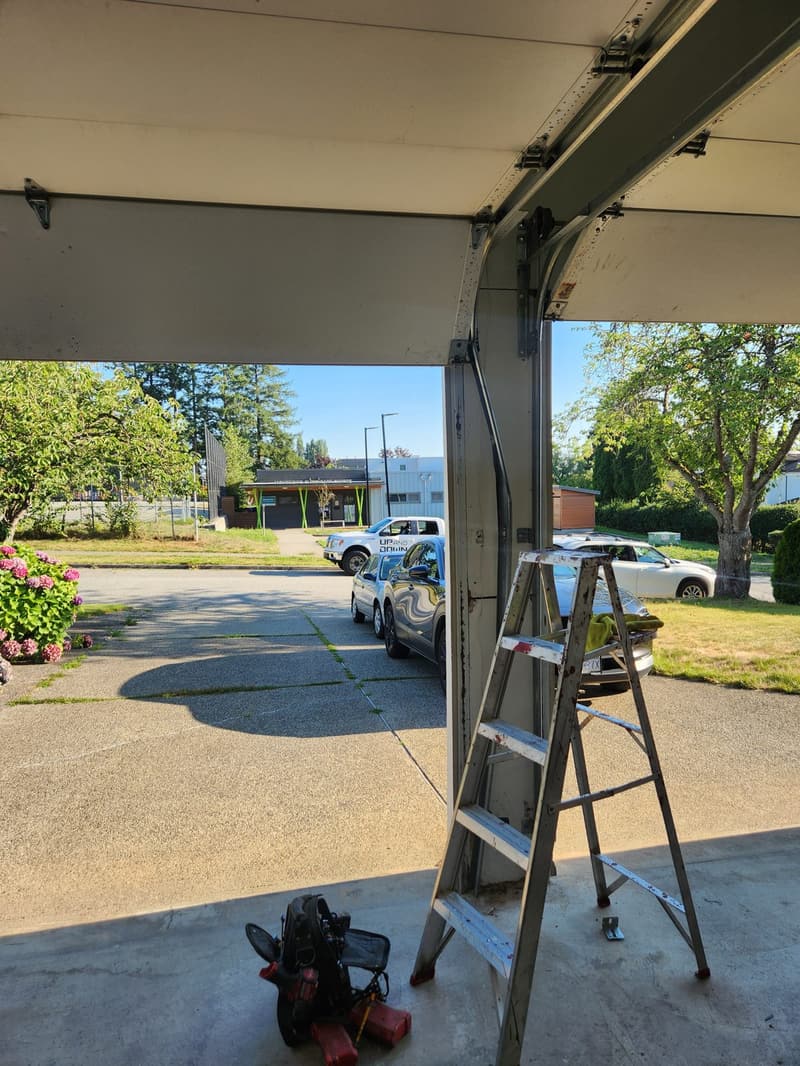
Before installing a new opener, we evaluate the current door’s balance, spring tension, and track alignment. A door that binds or sags will overload any motor, leading to premature failure. In Vancouver’s older neighbourhoods like Kerrisdale or Marpole, many homes have original wooden doors from the 1970s or 80s that may have warped or developed uneven wear. We check the torsion springs for proper torque—typically 100 to 200 foot-pounds depending on door size—and verify that the cables are not frayed. If the door does not stay put when lifted halfway and released, the springs need adjustment or replacement before opener installation. We also inspect the rollers and hinges for wear; nylon rollers degrade faster in damp conditions common near the Fraser River or False Creek, while steel rollers can corrode if not lubricated. Misaligned tracks cause the door to bind during travel, which tricks the opener’s force sensors into thinking it’s hitting an obstacle, triggering unnecessary reversals. We use a level and straightedge to confirm vertical and horizontal track alignment within 1/8 inch tolerance.
Selecting the Right Opener Type
We install three main opener types: chain drive, belt drive, and screw drive. Chain drives use a metal chain similar to a bicycle chain and are durable but noisy—suitable for detached garages in areas like East Vancouver where noise is less of a concern. Belt drives use a rubber-reinforced belt, offering quieter operation ideal for homes with living spaces above or adjacent to the garage, common in Kitsilano or Fairview neighbourhoods where lot sizes are small. Screw drives use a threaded steel rod and require less maintenance but can be sensitive to temperature extremes; Vancouver’s mild winters reduce this risk, but we still recommend them only for insulated garages. We match the motor horsepower to the door’s weight: a single-car steel door usually needs a 1/2 HP unit, while a double-car insulated wood door may require 3/4 HP. We avoid over-specifying; an oversized motor cycles more frequently, increasing wear on the drive mechanism. We also consider the opener’s starting torque—critical for overcoming static friction in cold, damp conditions—and ensure the unit has a soft start/stop feature to reduce jerk loading on the door.
Preparing the Mounting Surface
The opener motor unit must be securely attached to the ceiling joists or a purpose-built mounting board. In many Vancouver homes, especially those built before 1980, ceiling joists are spaced 24 inches on center and may be undersized for the dynamic loads of an opener. We use a stud finder to locate joists and verify their size—typically 2×8 or 2×10 in older construction. If joists are 24 inches apart or show signs of sagging, we install a mounting board made of 3/4-inch plywood or laminated veneer lumber (LVL) spanning at least three joists. This distributes the load and prevents the motor from pulling the ceiling down over time. We lag-bolt the mounting board with 3/8-inch diameter galvanized lag screws, penetrating at least 2 inches into the joist. For concrete ceilings in underground parkades—common in downtown Vancouver condos—we use epoxy-set anchor bolts rated for shear and tensile loads. We also ensure the mounting surface is level; any tilt causes the opener rail to sit at an angle, inducing uneven wear on the trolley and drive mechanism. We shim as needed with pressure-treated lumber or composite shims that won’t rot in humid conditions.
Installing the Rail and Trolley System
The opener rail guides the trolley that connects to the door arm. We assemble the rail sections on the floor, ensuring the sprocket or pulley is aligned with the motor shaft. Misalignment here causes premature wear on the drive chain or belt. We lift the assembled rail and attach it to the motor unit, then secure the outer end to the header bracket above the door. The header bracket must be anchored into the door frame’s vertical studs, not just the jamb trim. In Vancouver’s older homes, the header may be a single 2×4, which is insufficient; we reinforce it with a sistered 2×6 or install a steel bracket if the framing is compromised. We set the rail height so the trolley clears the top panel of the door by at least 2 inches when the door is fully open—this prevents the trolley from hitting the door or rail bracket. We use a tape measure and level to confirm the rail is parallel to the door track; even a 5-degree angle increases friction and can cause the trolley to stall. We then attach the door arm to the trolley and connect it to the door’s top bracket, ensuring the arm is at a 90-degree angle to the door when closed to minimize side loading.
Wiring and Safety Sensor Installation
We run the opener’s power cord to a dedicated 15-amp circuit, avoiding extension cords or shared circuits with outlets or lighting—common in older Vancouver basements where circuits are overloaded. We use a clamp meter to verify the circuit isn’t already near capacity. The wiring from the motor to the wall control and safety sensors uses 22-gauge stranded wire for flexibility. We mount the safety sensors 6 inches above the floor on each side of the door opening, aligned so their infrared beams cross at the center. If the sensors are not perfectly aligned, the opener will refuse to close, interpreting the misalignment as an obstruction. In damp areas like near the Fraser River or in Richmond’s flood-prone zones, we use outdoor-rated sensor housings and apply dielectric grease to the connectors to prevent corrosion. We also install a battery backup unit if required by local strata bylaws—common in Vancouver’s high-rise condos with underground parking—to ensure operation during power outages. After wiring, we program the travel limits: the door must stop within 1/4 inch of the fully open and closed positions. We test the force setting by placing a 2×4 on the floor; the door should reverse upon contact within two seconds, as required by UL 325 standards.
Frequently Asked Questions
How do I know if my garage door is ready for a new opener?
We check the door’s balance, spring condition, and track alignment. If the door is hard to lift manually, sags when open, or makes grinding noises, those issues must be fixed first. An opener cannot compensate for a broken spring or bent track—it will only wear out faster or fail prematurely.
Can I use my existing door brackets and hardware with a new opener?
Sometimes, but we inspect them for wear. Cracked brackets, bent arms, or worn rollers will compromise the new system. We replace any compromised parts to ensure safe and smooth operation—reusing damaged hardware risks premature failure or safety hazards.
What maintenance does a new opener need after installation?
Lubricate the chain, belt, or screw every six months with a silicone-based lubricant. Check the safety sensor alignment monthly and clean the lenses. Test the auto-reverse feature with a 2×4 quarterly. Tighten any loose bolts on the motor mounting and header bracket annually, especially in damp climates where vibration can loosen fasteners over time.