Garage Door Panel Replacement Vancouver
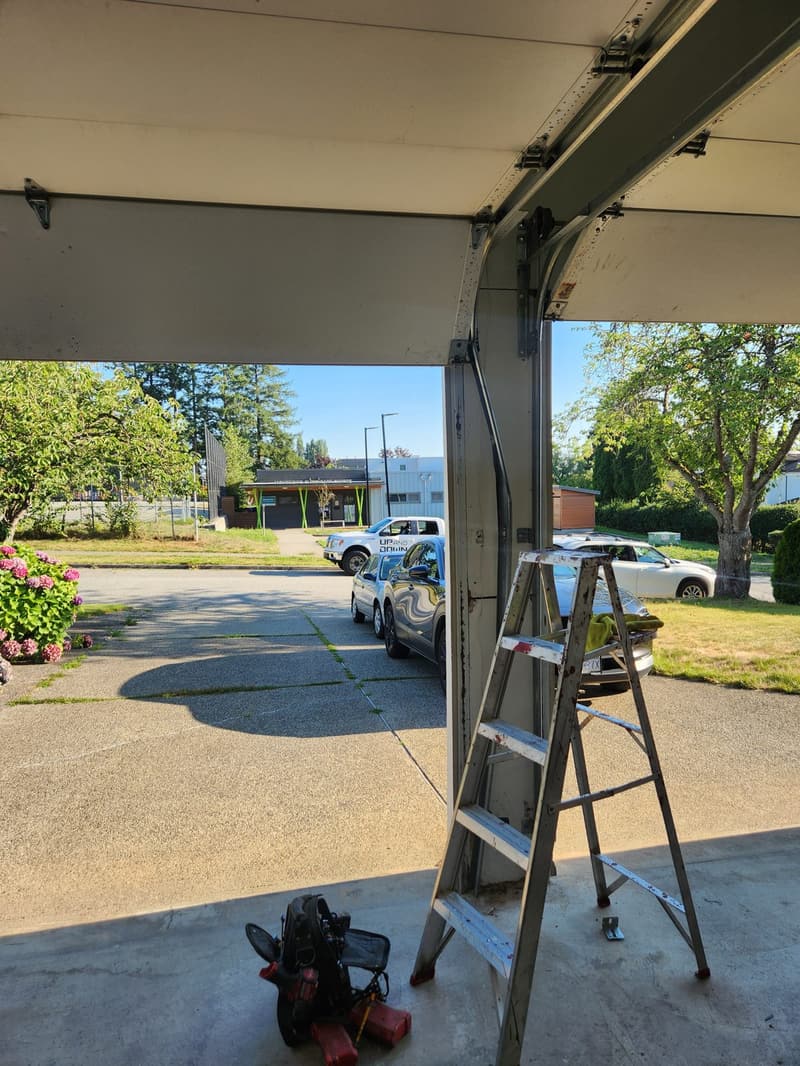
Vancouver’s coastal climate accelerates wear on garage door panels through repeated exposure to moisture, salt-laden air, and temperature fluctuations. Wooden panels, common in older homes across Kitsilano and Point Grey, often suffer from rot at the bottom rail where water pools during heavy rain. Steel panels in newer developments like Oakridge or Marpole may develop rust along seams or hinge points, especially if the protective coating has been compromised by impact or improper cleaning. Impact damage from vehicles, bicycles, or falling branches is frequent in narrow driveways typical of Vancouver’s laneway homes and townhouses. Thermal expansion and contraction can also cause paint to crack and delaminate, leading to further corrosion underneath. These issues aren’t just cosmetic—they compromise the door’s structural integrity and can interfere with safe operation.
How Panel Damage Affects Door Functionality
A damaged panel doesn’t just look bad—it disrupts the entire door system’s balance and alignment. When a section is weakened or warped, the door may bind in the tracks, causing uneven wear on rollers and cables. This misalignment forces the opener to work harder, increasing strain on the motor and potentially leading to premature failure. In sectional doors, which dominate Vancouver’s residential market, a single compromised panel can prevent the door from sealing properly, allowing drafts, moisture, and pests to enter the garage. This is particularly problematic in homes attached to living spaces, where temperature control and air quality matter. Additionally, a damaged panel can create pinch points or sharp edges, posing a safety hazard during manual operation. Ignoring the issue often leads to more extensive and costly repairs down the line.
Assessment Process: What We Look For
When evaluating a panel for replacement, we start with a visual inspection under natural light to spot cracks, dents, warping, or corrosion that might be missed in dim garage lighting. We check the panel’s attachment points—hinges, rollers, and brackets—for signs of stress or elongation that indicate ongoing movement. We operate the door manually and with the opener to observe how it moves through the full range of motion, listening for grinding or scraping that suggests track interference. We measure the panel’s dimensions and profile to ensure we match the original design, as Vancouver homes often feature non-standard sizes, especially in infill developments or heritage conversions. We also inspect the surrounding panels for hidden damage, as impact can transfer energy across multiple sections. Only after confirming the extent of the damage do we recommend replacement, avoiding unnecessary work.
Panel Replacement: Materials and Matching
We source replacement panels that match the original in material, gauge, profile, and finish to maintain the door’s appearance and performance. For wood panels, we use exterior-grade, kiln-dried lumber with proper sealing to resist Vancouver’s humidity. Steel panels are matched by gauge and rib pattern, with factory-applied primers and topcoats to ensure compatibility with existing coatings. In neighbourhoods like Strathcona or Grandview-Woodland, where many homes retain original carriage-house-style doors, we can replicate custom panel designs using CNC-routed templates. We never substitute thinner or lighter materials to cut corners, as this affects spring balance and long-term durability. All replacement panels are pre-finished or primed for immediate painting, allowing homeowners to match their door’s colour exactly—a common need in strata-controlled buildings where uniformity is enforced.
Installation: Ensuring Proper Fit and Function
Replacing a panel requires precision to maintain the door’s alignment and balance. We begin by relieving tension on the torsion springs using industry-standard winding bars—a task that requires specific training due to the high energy stored in these components. The damaged panel is then detached by removing hinge bolts and roller brackets, taking care not to damage adjacent sections. The new panel is inserted, aligned with the surrounding sections using a laser level and shims, and reattached with new hardware where wear is evident. We lubricate all moving parts and adjust the track spacing if necessary to ensure smooth operation. After installation, we perform multiple balance checks: lifting the door manually to waist height to verify it stays put, and testing the opener’s force settings to prevent strain. We also verify that the weather seal along the bottom makes full contact with the floor, a critical step for energy efficiency in Vancouver’s damp climate.
When Replacement Isn’t Enough: Evaluating the Whole Door
In some cases, panel damage is symptomatic of broader issues that make full-door replacement more practical. If multiple panels show advanced rust or rot, or if the door is over 15–20 years old and showing signs of wear in the springs, cables, or tracks, replacing just one panel may not be cost-effective. We’ve seen this in older Richmond neighbourhoods like Steveston, where original garage doors from the 1980s are still in service but have accumulated years of neglect. Similarly, in Vancouver’s East Side, where many homes have undergone renovations without updating the garage door, mismatched panels and outdated hardware can create ongoing problems. We provide a full assessment and let you know if investing in a new door with modern insulation, better seals, and improved safety features would serve you better long-term—without pressure, just based on what we observe on-site.
Frequently Asked Questions
How do I know if my garage door panel needs replacement or just repair?
If the damage is superficial—like a small dent or surface scratch—it may be repairable with filler and paint. However, if the panel is cracked, warped, rusted through, or no longer sits flush with the others, replacement is necessary to maintain structural integrity and proper operation. We assess each case individually during our on-site visit.
Can you match the panel to my existing door if it’s an older or custom model?
Yes, we can match panels for older and custom doors by replicating the profile, material, and finish. For heritage homes in areas like Kitsilano or Strathcona, we use templates and measurements to ensure the replacement blends seamlessly, even if the original manufacturer is no longer in business.
Will replacing one panel affect the balance of my garage door?
If done correctly, replacing a single panel should not disrupt the door’s balance. We use precise measurements and check the door’s travel and manual lift after installation to ensure it operates smoothly and safely, adjusting spring tension only if needed based on the door’s weight and movement.