A garage door that reverses before touching the floor is usually reacting to a perceived obstruction or an incorrect travel limit setting. This safety reversal is triggered by the photo-eye sensors or the motor’s internal force sensors detecting resistance in the track.
Garage Door Reverses Before Touching Floor — The logic behind the safety reversal
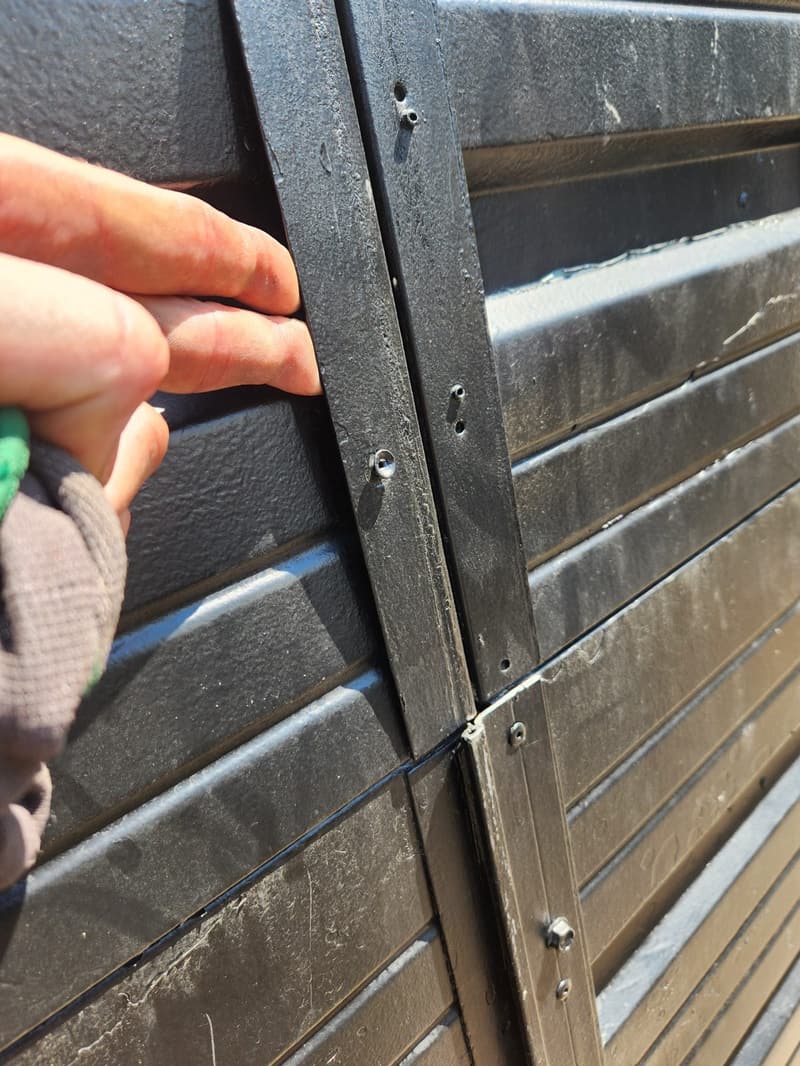
Your garage door opener is not a dumb motor; it is a safety device designed to prevent crushing accidents. When you press the button to close the door, the logic board monitors two primary inputs. The first is the photo-eye circuit, which uses an infrared beam to ensure the path is clear. The second is the RPM sensor or current-draw monitor, which measures how hard the motor has to work to move the door.
If the infrared beam is broken for even a millisecond, the logic board immediately stops the downward motion and reverses the door to the fully open position. This is why a spiderweb or a blowing leaf can stop a 200-pound door. If the beam is clear but the motor detects a sudden spike in resistance—caused by a bent track, a broken roller, or ice buildup on the driveway—it assumes it has hit an object and reverses. In Richmond, where we see significant moisture and shifting soil in areas like Steveston or Terra Nova, these sensors and tracks can move out of alignment just enough to trigger these safety protocols.
Troubleshooting photo-eye sensor issues in Richmond
The most common reason a door reverses before hitting the floor is a misalignment or failure of the safety sensors. These are the two small “eyes” located about six inches off the ground on either side of the door track. One is the sender (usually a green light) and one is the receiver (usually amber or red). If the receiver cannot see the sender’s beam, the door will not close.
In Richmond neighborhoods like Steveston, the salt air can cause the metal brackets holding these sensors to corrode faster than they would further inland. This corrosion can make the brackets flimsy, causing the sensors to vibrate out of alignment when the door starts its downward cycle. You might see the door start to close, but the vibration of the motor causes the “eyes” to lose their connection halfway down, sending the door back up.
You can check this yourself by looking at the lights on the sensors. They should be solid. If one is flickering or out entirely, the door will reverse. Start by wiping the lenses with a soft cloth. In our wet climate, road salt, dirt, and even condensation can film over the lens. If cleaning doesn’t work, check the wiring. Small staples used to secure the wire to the wall can sometimes pinch the insulation, leading to a short circuit when the humidity rises.
Understanding travel limits and force settings
If the sensors are solid but the door still reverses an inch or two off the floor, the issue is likely the “travel limit” or “down force” settings. The travel limit tells the opener exactly how far the trolley should move before it considers the door closed. If the limit is set too far, the door hits the floor, the motor detects the resistance of the concrete, thinks it has hit a person, and reverses.
Older openers, common in the 1970s and 80s homes in Broadmoor, use manual limit screws on the side of the motor unit. Turning the “Down” screw toward the minus sign shortens the travel. Newer DC motors, like those found in the modern builds of West Cambie, often have electronic limits programmed via buttons on the back of the powerhead.
Force settings are the “muscle” of the opener. If the door has become heavy due to a weakening spring or rusted hinges, the opener may not have enough programmed force to finish the cycle. While it is tempting to just turn up the force dial, this is often masking a mechanical failure. A properly balanced door should be easy to move by hand. If you have to crank the force setting to the maximum to get the door to close, you are putting immense strain on the nylon drive gear inside the motor, which will eventually strip and fail.
Mechanical resistance and door balance
Sometimes the reversal has nothing to do with electronics and everything to do with physics. A garage door is a system of moving parts that must work in harmony. If one roller is seized or a track is slightly bent, the resistance at that specific point in the radius can trigger a reversal.
You can test this by pulling the emergency release cord (the red handle) while the door is closed. This disconnects the door from the opener. Lift the door manually. It should stay in place when you let go at the halfway point. If it crashes to the floor, your springs are fatigued or broken. If it is difficult to lift or feels like it is “sticking” at a certain height, check the tracks for debris. In Richmond, it is common for small gravel or salt chunks from the road to get wedged in the bottom of the vertical tracks, preventing the door from reaching its final inch of travel.
Check the hinges and rollers. A seized roller won’t roll; it will slide, creating friction that the motor’s logic board interprets as an obstruction. If you see black shavings on the floor or inside the track, your rollers are wearing down to the core and need replacement.
What a technician does during a service call
When a professional arrives to handle a door that won’t stay down, we don’t just poke at the sensors. We perform a full system audit. We start by checking the door’s balance. We look for “hot” spots in the tracks where the door might be binding. We use a level to ensure the tracks are plumb; in older Richmond homes, the garage floor or the header can settle, throwing the entire frame out of square.
We also check the internal components of the opener. On older units, the RPM sensor disk can become loose or dirty, sending incorrect data to the logic board. We calibrate the travel limits and force settings using the manufacturer’s specific protocols to ensure the door closes with just enough pressure to seal the weatherstripping without triggering a safety reversal. If the logic board itself is failing—often indicated by ghosting (the door moving on its own) or inconsistent sensor lights—we determine if a board replacement or a new motor is the more cost-effective path.
Maintenance and cost factors
Stopping this problem from recurring requires basic lubrication and regular inspections. Use a synthetic silicone or Teflon-based spray on the hinges and rollers. Avoid grease, as it attracts the dust and grit common in the Ironwood and Seafair areas, eventually turning into a grinding paste that destroys hardware.
The cost of repairing a door that reverses is usually driven by labor and the specific part that has failed. A simple sensor realignment or limit adjustment is a standard service call. However, if the reversal is caused by a cracked logic board or a failing motor capacitor, the cost increases. The most expensive scenario is when a reversal is a symptom of a larger structural issue, like a shifted foundation or a completely seized torsion spring system that has put too much load on the opener.
If your door is reversing and you cannot find a clear obstruction in the sensors or the tracks, it is time to stop pressing the button. Repeatedly forcing a door to close when it wants to reverse can burn out the motor or snap a lift cable.
Garage Door Reverse Repair Richmond Techs See Daily
Garage door reverse repair Richmond calls almost always trace to three things: travel limit set short, force setting too sensitive, or a sensor knocked out of line. All three are quick fixes with the right meter. For garage door reverse repair Richmond same-day, call 778-873-7282.