Services
Locations
📞 (778) 873-7282
Home / Blog / How Heavy Rain Affects a Garage Door Weather Seal in Metro Vancouver

How Heavy Rain Affects a Garage Door Weather Seal in Metro Vancouver

Heavy rain can compromise garage door weather seals, leading to water ingress, swelling, and reduced insulation. Call (778) 873-7282.

Call (778) 873-7282
Licensed & insured
Open 24 hours
Based in Richmond
5-star rated

Heavy rain saturates the rubber or vinyl weather seal along the bottom of a garage door, causing it to swell, lose flexibility, and crack over time. Repeated wetting and drying cycles degrade the material, reducing its ability to block water, wind, and debris. In Metro Vancouver’s wet climate, this wear happens faster than in drier regions, often leading to puddles inside the garage, damp stored items, or increased heating costs as conditioned air escapes.

How Heavy Rain Affects Garage Door Weather Seal
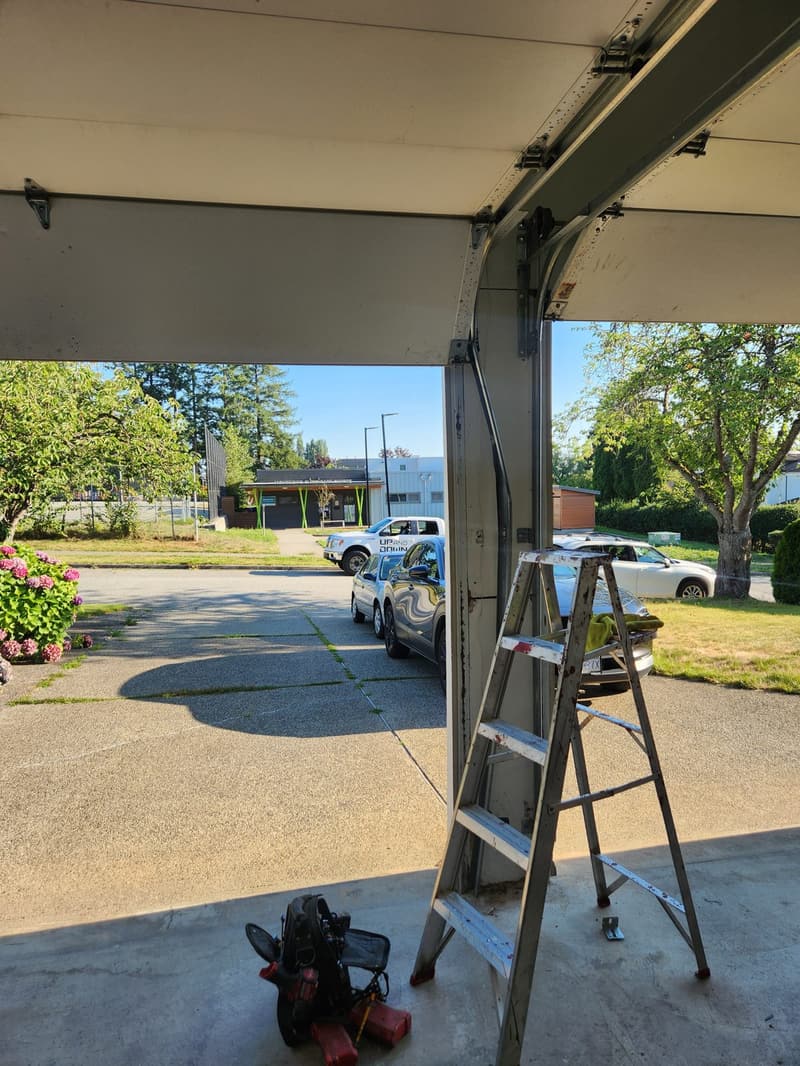
How Heavy Rain Affects Garage Door Weather Seal — garage door technician on site
How Heavy Rain Affects Garage Door Weather Seal — real job photo, Up & Down Garage Doors.

What Happens to the Seal During Prolonged Rain
Extended exposure to water causes the seal material to absorb moisture, leading to swelling and softening. As it dries, it contracts and may develop surface cracks. Over time, this cycling hardens the rubber, making it brittle and prone to tearing. In freezing temperatures, absorbed water can turn to ice, gluing the seal to the floor and tearing it when the door opens. You might hear a ripping sound or see the seal pulled away from the door retainer.

Visible and Audible Signs of Seal Failure
Look for water pooling near the door threshold after rain, especially if the floor slopes toward the garage. Check for visible gaps between the seal and the floor when the door is closed—daylight or paper slipping through indicates failure. A hardened seal may squeak or scrape loudly during operation. If the seal is torn, missing chunks, or permanently deformed, it’s no longer effective. In strata buildings, inspect shared garage entrances where seals endure more traffic and weather exposure.

What Homeowners Can Safely Check Themselves
Inspect the seal quarterly: wipe it clean, look for cracks, hardening, or permanent deformation. Test flexibility by pinching a section—it should bend easily without cracking. Spray water along the seal’s edge with a hose; if water seeps through, the seal is compromised. Clear debris from the track and floor to prevent abrasion. Never attempt to remove or reinstall the seal if it’s held in place by a metal retainer under tension—some designs require specialized tools to avoid damaging the door or causing sudden release.

When Seal Replacement Requires a Professional
Replacing the seal itself is often a DIY task if it slides into a simple track or retainer. However, if the retainer is corroded, bent, or fastened with stripped screws, repair may involve realigning the door or replacing the retainer bracket. If the door drags on the floor or binds during operation, the issue may extend beyond the seal to rollers, hinges, or track alignment—these adjustments can affect door balance. Any work near the torsion spring system, including removing the door or adjusting cables, is hazardous due to high stored energy and must be handled by a trained technician.

Preventive Steps for Longer Seal Life
Choose a seal made from UV-stabilized EPDM rubber for better resistance to wet/dry cycling and temperature swings. Apply a silicone-based lubricant to the seal every six months to maintain flexibility—avoid petroleum-based products, which degrade rubber. Ensure the garage floor slopes slightly outward to promote drainage. In strata complexes, schedule seasonal inspections of shared garage doors to catch seal wear before it leads to water damage in adjacent units or storage areas.

Frequently Asked Questions
### Can I use a temporary fix like tape or caulk to stop water leaks?
Tape or caulk might slow water ingress briefly but will fail quickly under door movement and weather exposure. These materials aren’t designed to flex with the door and can interfere with proper seal function or damage the door finish.

Does a damaged weather seal affect my garage door opener?
Yes—increased friction from a hardened or misaligned seal can strain the opener motor, leading to premature wear or error codes. The opener may detect excessive resistance and refuse to close the door.

How often should I replace the weather seal on my garage door in Metro Vancouver?
Typically every 3 to 5 years, depending on exposure and material quality. In high-rainfall areas or where the door sees frequent use, inspect annually and replace at the first sign of cracking, hardening, or water penetration.

Stuck door? Let's get it moving.

One call, a clear price, and the job done right — 24/7 across Metro Vancouver.

📞 Call (778) 873-7282