Garage door weather seals wear out faster in wet climates because constant moisture breaks down the rubber or vinyl material, causing it to crack, harden, and lose flexibility. In Metro Vancouver, repeated exposure to rain, damp air, and fluctuating temperatures accelerates this process more than in drier regions. The seal’s job is to compress against the door and floor to block water, wind, and pests—but when the material degrades, it can no longer form a tight barrier. You’ll notice wear as visible cracks, gaps where light shows through, or a stiff, brittle feel when you press on it. Sometimes you’ll hear flapping or whistling during windy conditions as air pushes past the damaged seal. This isn’t just about comfort; a failing seal lets water pool inside the garage, which can damage stored items, promote mold, and corrode metal parts over time.
How Moisture Degrades Seal Materials
Most garage door seals are made from EPDM rubber or flexible vinyl, both chosen for their initial resilience. But prolonged saturation causes these materials to absorb water, which then freezes and thaws with temperature swings. This freeze-thaw cycle creates microscopic stress points that grow into cracks. UV radiation from sunlight, even on cloudy days, further breaks down the polymer chains in the material, making it lose elasticity. Over time, the seal becomes rigid and can’t compress properly when the door closes. You might see the seal pulling away from the retainer or developing a permanent set where it’s been bent for months. In shaded, damp areas of the garage door—like the bottom corners—wear often appears first because moisture lingers longer there.
Signs Your Seal Is Failing
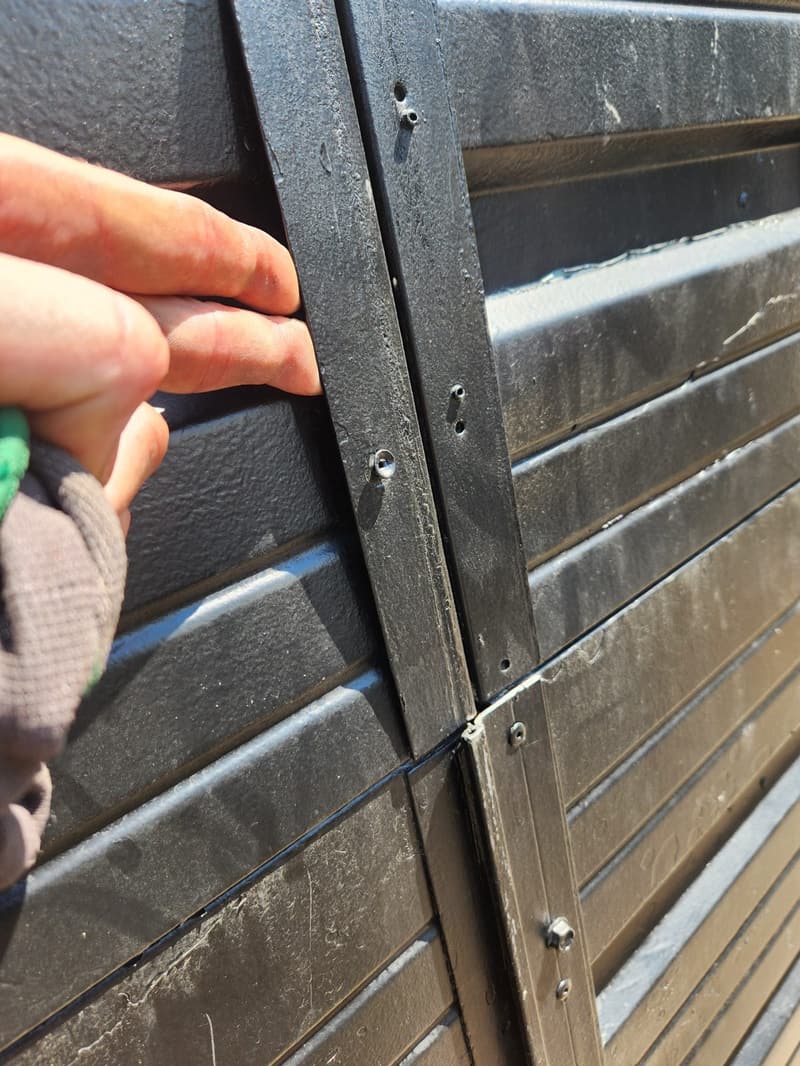
Start by closing the garage door and inspecting the seal along the bottom edge. Look for splits, cracks, or sections that have flattened and lost their rounded profile. Run a gloved hand along the seal—if it feels brittle or leaves residue on your fingers, it’s degrading. Shine a flashlight at ground level; if you see daylight shining through between the seal and the concrete, the seal isn’t making contact. Listen during windy weather: a flapping noise means the seal is loose or torn. You might also notice water seeping in after heavy rain, especially if the garage floor slopes inward. These signs mean the seal is no longer doing its job, and delaying replacement increases the risk of water damage to the garage interior.
Why DIY Replacement Is Usually Straightforward
Replacing a bottom weather seal is one of the few garage door maintenance tasks most homeowners can handle safely. You’ll need a new seal kit matched to your door’s retainer type—commonly a T-style or bulb seal that slides into a channel. First, lift the door and secure it with clamps or locking pliers on the tracks to prevent movement. Remove the old seal by pulling it out of the retainer; if it’s stuck, use a flathead screwdriver gently to avoid damaging the aluminum or vinyl retainer. Clean the channel with a damp cloth to remove dirt and debris. Lubricate the new seal with silicone spray (not petroleum-based) to help it slide in, then feed it into the channel from one end, working slowly to avoid twisting. Once fully seated, test the door’s operation to ensure the seal compresses evenly without binding. This job typically takes under an hour and requires only basic tools.
When to Call a Professional
While replacing the bottom seal is DIY-friendly, other seals on the door—like the side and top seals or the threshold seal—can be more complex if they’re integrated into the door’s frame or require disassembly. More importantly, never attempt to adjust or replace torsion springs, cables, or bottom brackets. These components are under extreme tension and can cause serious injury or death if mishandled. If the door is unbalanced, sagging, or making grinding noises beyond seal-related flapping, those are signs of mechanical issues that need a technician. A professional can also inspect the door’s alignment, roller condition, and track integrity while replacing seals, ensuring the whole system works efficiently. If you’re unsure about any part of the process, it’s safer to get help.
Preventing Premature Wear
To extend seal life in a wet climate, clean the seal and retainer quarterly with mild soap and water to remove dirt that accelerates abrasion. Apply a silicone-based lubricant twice a year—once before fall rains and once in spring—to maintain flexibility. Avoid petroleum products like WD-40, which degrade rubber over time. Check the garage floor for standing water or ice buildup that keeps the seal submerged; improve drainage if needed. If your garage gets direct sun, consider a UV-protective sealant spray designed for rubber, though reapplication is necessary. These steps won’t stop wear entirely, but they can significantly slow the process in Metro Vancouver’s climate.
Frequently Asked Questions
### How often should I replace my garage door weather seal in a wet climate?
In Metro Vancouver, inspect the seal twice a year and replace it every 2–3 years, or sooner if you see cracks, hardening, or gaps. Heavy exposure to rain, shade, or temperature swings may shorten this lifespan.
Can I use any weather seal for my garage door, or does it need to match the retainer?
You must match the seal profile—T-style, bulb, or bead—to your existing retainer channel. Using the wrong type won’t seat properly and will fail quickly or interfere with door operation.
Does a worn weather seal affect energy efficiency?
Yes, a damaged seal allows air infiltration, which can make the garage harder to heat in winter and cool in summer. While garages aren’t usually climate-controlled, leaks still impact adjacent living spaces and increase moisture-related risks.
Up & Down Garage Doors (778) 873-7282