Services
Locations
📞 (778) 873-7282
Home / Blog / How Long Does a Garage Door Strut Last? Lifespan & Signs of Wear

How Long Does Garage Door Strut Last

Learn how long garage door struts typically last, what causes them to fail, and what warning signs to watch for. Call (778) 873-7282.

Call (778) 873-7282
Licensed & insured
Open 24 hours
Based in Richmond
5-star rated

Garage door struts typically last between 8 and 12 years under normal residential use, though this varies based on door weight, frequency of operation, and environmental exposure. In Metro Vancouver’s coastal climate, moisture and salt air can accelerate corrosion, potentially shortening lifespan. Struts are horizontal steel reinforcements mounted inside the door panels to prevent sagging and maintain alignment, especially on wider double doors. They do not bear spring tension but instead resist bending forces that occur during opening and closing cycles. Over time, repeated stress and environmental factors lead to metal fatigue, rust formation, or loosened fasteners, which compromises their structural role.

How Long Does Garage Door Strut Last
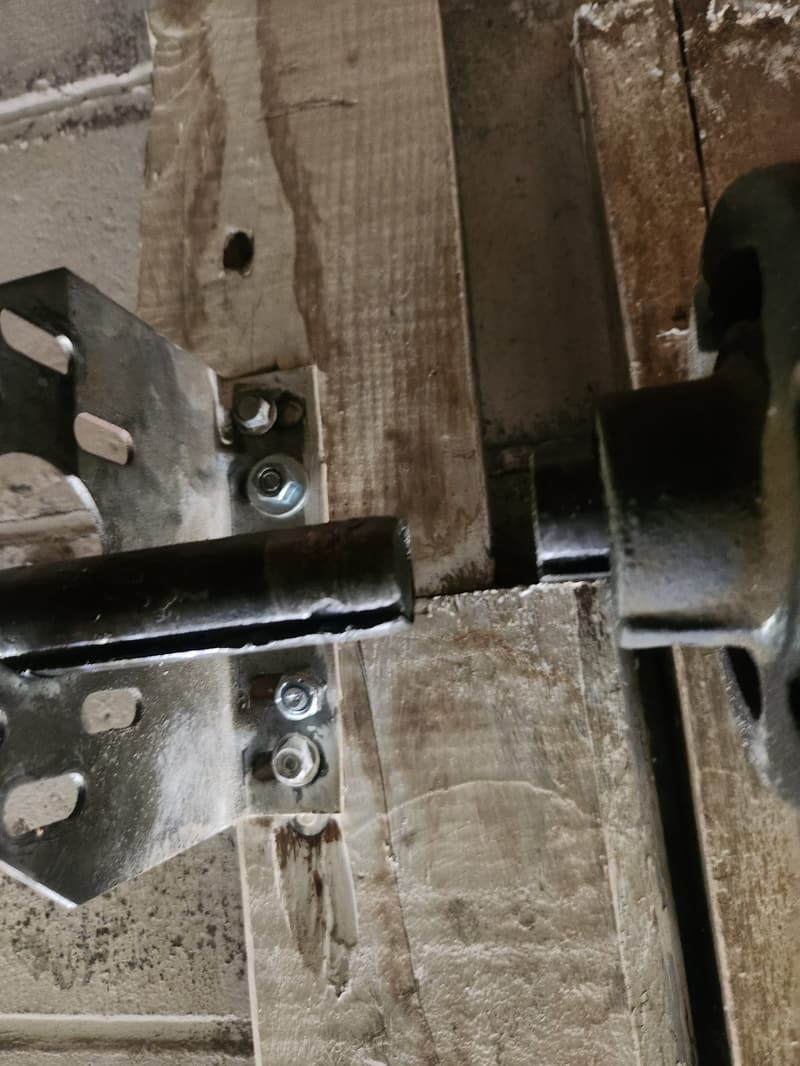
broken torsion spring showing the gap where it snapped
How Long Does Garage Door Strut Last — real job photo, Up & Down Garage Doors.

Common Causes of Strut Failure
The most frequent cause of strut degradation is corrosion, particularly in humid or marine-influenced environments like the Lower Mainland. Surface rust begins as cosmetic oxidation but can progress to pitting that weakens the steel’s cross-section. Repeated flexing from daily use contributes to metal fatigue, especially if the strut is undersized for the door width or if panels are already warped. Loose or missing fasteners—often due to vibration over time—allow the strut to shift or detach, rendering it ineffective. Impact damage from stored items or improper handling during maintenance can also bend or crack the strut, creating stress risers that accelerate failure.

What Failure Looks and Sounds Like
A failing strut may not announce itself with noise initially. Early signs include visible sagging in the door panel when closed, particularly noticeable in the center span of a double door. You might observe uneven gaps between panels or notice the door binding slightly during travel as misaligned panels drag on the tracks. Audible cues are rare but can include a creaking or popping sound if the strut has detached and is vibrating against the panel or hardware. In advanced cases, rust perforation or visible cracks at the rivet or screw points indicate imminent failure. If the door appears to twist or rack when opening, check strut integrity immediately.

What Homeowners Can Safely Inspect
You can perform a basic visual and tactile check without tools or risk. Close the door and examine the interior panels for any bowing or waviness in the surface. Run your hand along the strut’s length to feel for rough spots from rust or protruding fastener heads. Check that all screws or rivets are flush and tight—any movement when gently wiggling the strut means it’s loose. Look for orange-brown rust, especially at the ends where moisture pools. If the strut moves independently of the panel or shows visible deformation, it needs attention. Never attempt to remove or adjust a strut if it’s under load or if the door is open—this is not a tensioned component, but sudden panel shift can still pose a pinch hazard.

When Replacement Is Necessary
Replace a strut if it shows significant rust penetration, cracks, permanent bending, or if fasteners no longer hold securely. A strut that allows panel sag exceeding 1/4 inch should be replaced to prevent long-term track strain or roller damage. Match the replacement to the original in gauge, width, and mounting hole pattern—using a lighter gauge risks premature failure. While the strut itself is not under spring tension, removing it requires supporting the door panel to prevent drooping during the swap. For doors over 16 feet wide or those with insulated panels, consult a technician to ensure proper reinforcement strategy.

DIY Limits and Safety Considerations
Inspecting and tightening loose fasteners on a strut is a safe DIY task if the door is closed and secured. Surface rust can be treated with a wire brush and rust-inhibiting primer, though this is temporary. However, if the strut is structurally compromised—cracked, severely corroded, or detached—replacement should be handled by someone familiar with door panel alignment. Unlike torsion springs or cables, struts do not store dangerous energy, but improper reinstallation can lead to panel misalignment, increased wear on hinges and rollers, or water ingress. Never work on a strut with the door open or unblocked, as the panel may shift unexpectedly.

Frequently Asked Questions
### Can a garage door operate safely with a broken strut?
Yes, but with increased risk of panel sag, uneven wear on rollers and hinges, and potential binding in the tracks. Over time, this can lead to more expensive repairs. It’s best to address strut issues before they compromise door alignment or weather sealing.

How often should garage door struts be inspected?
Inspect struts annually as part of routine door maintenance, ideally before winter when moisture exposure increases. Check for rust, loose fasteners, and panel flatness. More frequent checks are advised in coastal or high-humidity areas.

Are thicker struts always better?
Not necessarily. A strut must match the door’s design and weight—using one that’s too heavy or stiff can interfere with panel flex or hinge operation. Correct gauge and mounting placement matter more than sheer thickness.

Stuck door? Let's get it moving.

One call, a clear price, and the job done right — 24/7 across Metro Vancouver.

📞 Call (778) 873-7282