Summer heat in Metro Vancouver can push garage door components beyond their design limits, and struts are no exception. When temperatures rise, especially during prolonged heat waves, the steel in a garage door strut expands. This thermal expansion changes the strut’s length and alignment, which can interfere with how the door moves along its tracks. If the strut is already worn, bent, or improperly secured, this expansion may cause it to bind, warp further, or lose its ability to keep the door panel rigid. You might notice the door sticking at the top or bottom of its travel, making a creaking or groaning sound as it moves, or see visible gaps between the strut and the door panel when the door is closed. In some cases, the strut may appear bowed outward when viewed from inside the garage, especially on wider double doors where struts span longer distances.
How Summer Heat Affects Garage Door Strut
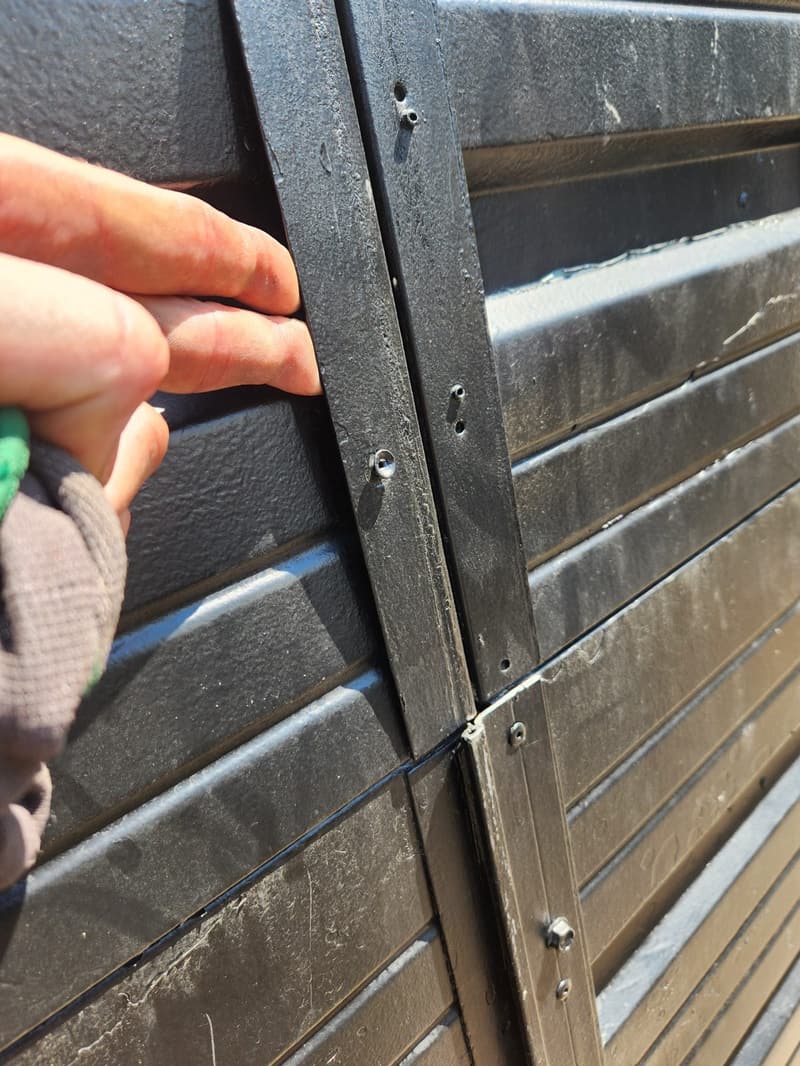
How Heat Causes Strut Failure
Steel expands when heated, and while the amount may seem small—about 0.0065 inches per foot per 10°F rise—it adds up over a 16-foot door. On a 90°F day, a strut can be nearly 1/8 inch longer than on a 60°F morning. If the strut is constrained at both ends by fasteners, this expansion creates internal stress. Over time, repeated cycling from cool nights to hot days can fatigue the metal, especially if there are existing stress points from over-tightened screws, corrosion, or minor impacts. The strut may begin to buckle outward (oil canning) or develop a permanent set. In extreme cases, the fasteners can pull loose from the door panel, or the strut may twist if the door frame is racking due to heat-induced warping of the wood jambs.
Signs Your Strut Is Affected by Heat
Start by observing the door during the hottest part of the day. Close the door and stand inside the garage. Look at the top panel along the strut line—if you see a visible bow or ripple in the steel, that’s a sign of thermal buckling. Listen as you operate the door: a new creak, groan, or scraping noise at the top of the travel often indicates the strut is rubbing against the track or header bracket. Check the fasteners—if screws are loose or the holes are stripped, the strut may shift when heated. You can also measure the gap between the strut and the door panel at several points; inconsistency suggests warping. If the door binds only in the afternoon but operates freely in the morning, heat-related strut movement is a likely cause.
What You Can Safely Check Yourself
Homeowners can inspect the strut for visible damage, loose fasteners, or corrosion without tools beyond a flashlight and screwdriver. Tightening loose strut bolts (if they’re not stripped) is a reasonable DIY task, but only if the door is fully closed and disconnected from the opener. Never attempt to straighten a bent strut—applying force can cause it to fail suddenly. If the strut is rusted through, cracked, or the mounting points are torn, do not operate the door. These conditions indicate structural compromise, and continued use risks further damage to the panel, tracks, or opener.
When to Call a Professional
If the strut is visibly deformed, the door sags or binds when hot, or you notice damage to the door panel around the strut mounts, stop using the door and contact a technician. A professional can assess whether the strut can be reinforced, replaced, or if the issue stems from related problems like track misalignment, roller failure, or frame warping. They’ll also check the door’s balance and spring tension—critical safety components that should never be adjusted by homeowners. Torsion and extension springs store lethal amounts of energy; only trained technicians should handle them. Replacing a strut involves removing the door from the tracks in some cases, which requires proper tools and knowledge to avoid injury or further damage.
Frequently Asked Questions
### Can I replace a garage door strut myself?
You can replace a strut if you have the correct part, the door is fully secured and disconnected from power, and you’re comfortable working with heavy panels. However, if the strut is integrated into a reinforced top section or the door shows signs of broader wear, a technician should evaluate the full assembly. Improper installation can lead to door imbalance or panel damage.
Does heat affect insulated garage doors differently?
Insulated doors often have thicker steel or composite panels, which resist bowing better than non-insulated ones. However, the strut still expands and contracts with temperature, and if the insulation creates uneven heat retention, it can sometimes increase stress on the strut’s mounting points. The effect is less pronounced but still present.
Should I lubricate the strut to prevent heat-related issues?
No—lubrication does not prevent thermal expansion or metal fatigue. Struts don’t have moving parts that require lubrication. Focus instead on keeping fasteners tight, checking for corrosion, and ensuring the door operates smoothly without binding. Lubricate the hinges, rollers, and springs (if trained to do so) but leave the strut dry.
Up & Down Garage Doors (778) 873-7282