Garage door tracks guide the rollers as the door opens and closes. When they become bent, misaligned, or corroded, the door can bind, jump the track, or fail to operate smoothly. Ignoring these issues increases wear on rollers, cables, and the opener, and can create a safety hazard. Here’s how to identify when track replacement is necessary.
Signs Garage Door Track Needs Replacing — Visual Signs of Track Damage
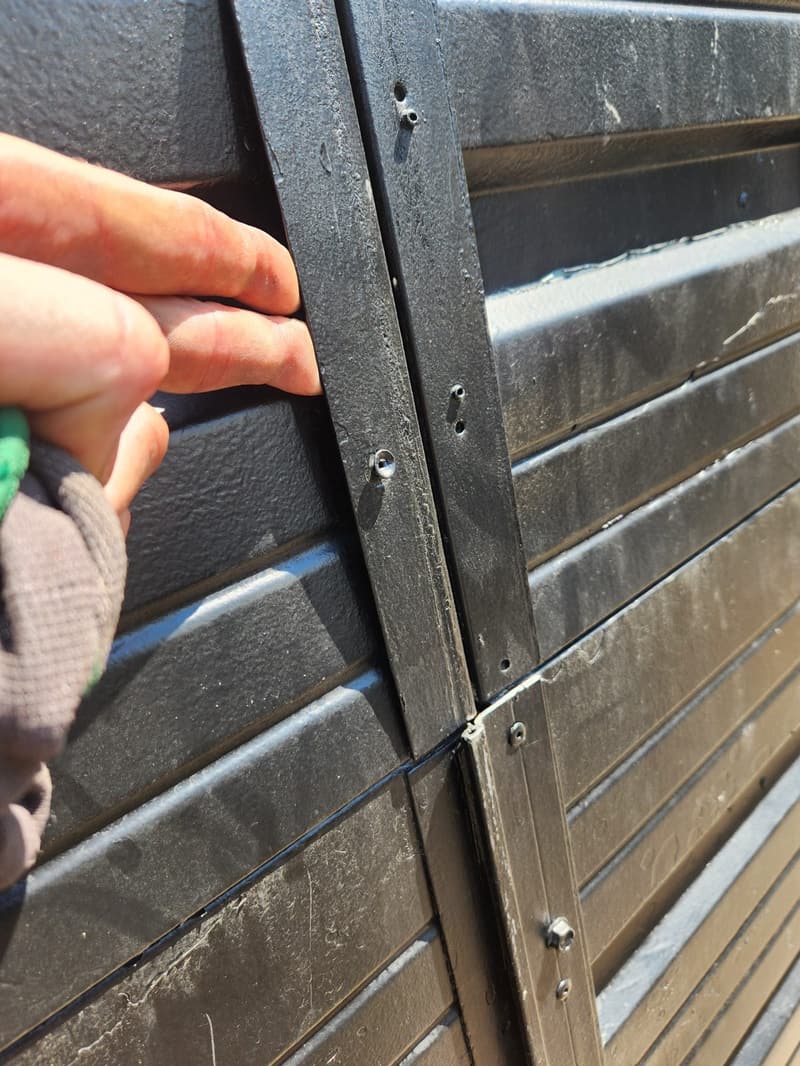
Look closely at the vertical and horizontal tracks on both sides of the door. Bent sections are obvious — if the track is kinked, twisted, or pulled away from the wall, it’s damaged. Rust or corrosion, especially in coastal areas of Metro Vancouver, weakens the metal over time. Check for gaps between the track and the wall mounting brackets; even a small gap means the track is no longer securely fastened. Also inspect the track face where the rollers ride — deep grooves, scoring, or flattened sections indicate prolonged wear from misaligned or failing rollers.
Audible Clues During Operation
Listen as the door moves. A healthy track system produces a steady, quiet roll. Grinding, scraping, or squealing noises often mean the rollers are dragging against a damaged track surface. A loud popping or clicking sound can indicate a roller jumping out of the track due to a bend or obstruction. If the noise changes depending on where the door is in its travel — louder at the top, bottom, or middle — that helps isolate the damaged section.
Door Movement Problems
Watch the door as it opens and closes. Hesitation, jerking, or uneven movement — where one side moves faster than the other — suggests the track is obstructed or misaligned on that side. If the door rubs against the track or seems to bind at a specific point, stop operating it immediately. Continued use can bend the track further or cause a roller to disengage completely, risking a sudden door drop.
Roller Behavior and Track Engagement
With the door closed, inspect the rollers inside the track. They should sit snugly against the inside face of the track with minimal side-to-side play. If a roller can wiggle freely or appears to be riding on the edge of the track, the track may be spread apart or worn. Also check for rollers that have popped out of the track entirely — this is a clear sign of track deformation or impact damage, often from a vehicle bump.
What Causes Track Failure
Tracks don’t usually fail from normal use alone. Common causes include accidental impacts — backing a car into the door, or storing ladders or tools that strike the track. Over time, vibration from the door’s movement can loosen mounting bolts, allowing the track to shift. In older installations, low-quality thin-gauge steel tracks are more prone to bending. Moisture exposure leads to rust, which pits the surface and increases friction, accelerating wear on both track and rollers.
What You Can Safely Check Yourself
Homeowners can visually inspect tracks for obvious bends, rust, or loose mounting bolts. You can also listen for abnormal noises and observe door movement for hesitation or binding. Tightening loose track bolts with a socket wrench is a reasonable DIY task — but only if the track is straight and undamaged. Never attempt to straighten a bent track; improper repair can weaken the metal and create a weak point that fails under load.
When Track Replacement Requires a Professional
If the track is bent, corroded through, or separating from the wall, it needs replacement. This involves removing the door, detaching the old track, and installing new track sections precisely aligned and securely anchored. Misalignment during installation will cause immediate problems with door operation and roller wear. More critically, the track is under tension from the door’s weight and spring system — working near it without proper support risks sudden door movement. Torsion springs, in particular, store dangerous energy and must only be handled by trained technicians.
Frequently Asked Questions
Can I lubricate the track to fix noise or sticking?
Lubricating the track itself is not recommended — grease attracts dirt and can cause rollers to slip. Instead, lubricate the rollers, hinges, and springs with a silicone-based spray. If noise persists after lubricating moving parts, the issue is likely track damage or misalignment.
How long do garage door tracks typically last?
With proper installation and minimal impact, tracks can last 15-20 years. However, exposure to moisture, frequent vibration, or accidental bumps can shorten that lifespan. In Metro Vancouver’s climate, annual inspection helps catch corrosion early before it compromises the track.
Is it safe to operate the door if the track is slightly bent?
No. Even a small bend increases friction and side load on the rollers, accelerating wear and increasing the risk of a roller jumping the track. Continued use can worsen the bend or cause sudden failure. Stop using the door and have it inspected.
Up & Down Garage Doors (778) 873-7282