When a garage door fails to close and the issue traces back to the panels, it’s usually due to physical damage, misalignment, or obstruction preventing the door from moving smoothly along its tracks. This isn’t typically an electrical or opener problem—it’s a mechanical interruption in the door’s path. You might notice the door starts to close but reverses, stops midway, or makes grinding or scraping noises as it tries to move. Understanding what’s happening with the panels helps you determine whether it’s something you can safely inspect or if it requires professional attention.
Garage Door Wont Close Panel Problem
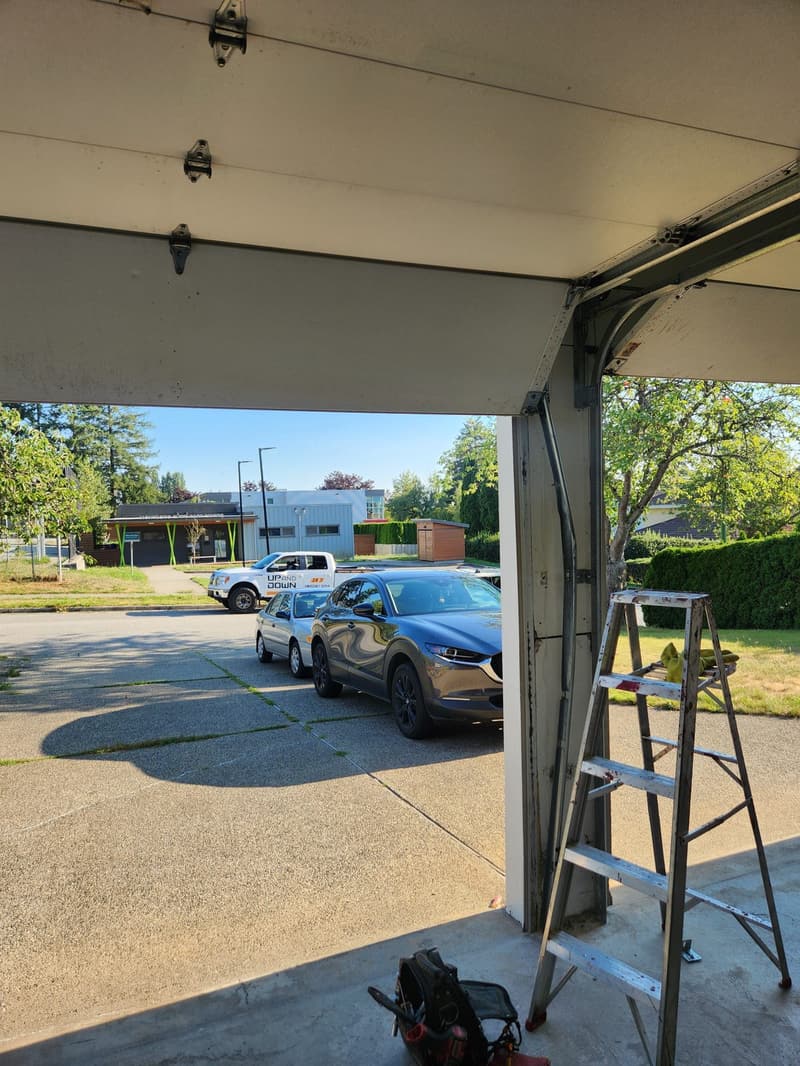
How Misaligned Panels Interfere with Operation
Over time, panels can shift out of alignment due to loose hinges, worn rollers, or settling of the door frame. When panels aren’t properly aligned, the door may bind in the tracks, especially near the bottom where clearance is tight. You might observe gaps between panels that weren’t there before, or see that one side of the door sits lower than the other when closed. Manually lifting the door may feel uneven or stiff at specific points. This misalignment increases friction and can trigger the opener’s safety reversal system, which interprets resistance as an obstruction.
Obstructions Caused by Panel Deflection
Sometimes a panel doesn’t break but instead deflects inward under pressure or due to weakened internal reinforcement. This can create a protrusion that interferes with the door’s path, particularly if the deflection occurs near the top or bottom rollers. You might not see obvious damage, but the door will consistently stop at the same point during closure. Running your hand along the interior of the door (when stationary and disconnected from power) can reveal a bulge or irregularity that isn’t visible from outside. This kind of issue often worsens with temperature changes as materials expand or contract.
What You Can Safely Check Yourself
Before assuming the worst, you can perform a few basic checks. First, disconnect the opener by pulling the emergency release cord and manually operate the door. If it moves freely by hand, the issue is likely with the opener or its settings—not the panels. If it sticks or binds in the same place, inspect the panels for dents, warping, or loose hardware. Check that all hinges are secure and rollers are intact and seated in the track. Look for debris or objects lodged in the track that could be exacerbated by panel movement. Never attempt to force the door or adjust components under tension.
When Panel Issues Require Professional Repair
If a panel is significantly dented, cracked, or structurally compromised, it usually needs replacement. Attempting to bend a damaged panel back into shape often fails because the internal reinforcement is compromised, and the door won’t seal or operate correctly. Similarly, if multiple panels are affected or the frame itself is out of square, a full door assessment may be necessary. Any repair involving panel removal or realignment should account for the door’s weight and balance—improper handling can lead to sudden movement or injury.
The Danger of Working Under Tension
It’s critical to emphasize that garage door panels are connected to a system under extreme tension, particularly via the springs and cables. While inspecting panels for visual damage is safe when the door is stationary and disconnected, any adjustment to hinges, brackets, or track alignment that affects spring tension must be left to trained technicians. Torsion springs store enough energy to cause serious harm if released unexpectedly. Never loosen bolts connected to the spring system or attempt to realign the door by manipulating the top brackets—these actions can release stored energy violently.
Frequently Asked Questions
### Can a garage door panel be repaired instead of replaced?
Minor surface dents that don’t affect structural integrity or alignment may be addressed with specialized tools, but if the panel’s internal reinforcement is broken or it no longer sits flat in the track, replacement is necessary. Repair attempts on compromised panels often fail to restore proper function or weather sealing.
Will a panel issue cause the opener to strain or fail?
Yes, if the door is binding due to panel problems, the opener motor will work harder to overcome resistance, which can lead to overheating, premature wear, or tripping of the motor’s thermal overload. This is why the door may seem to work intermittently—it closes when cool but stops when the motor overheats.
How do I know if the problem is the panel or the track?
If the door binds at the same point every time and manual operation reveals stiffness at that location, inspect both the panel and track in that area. A damaged panel will often show visible deformation, while a track issue might involve gaps, bends, or rollers jumping the rail. Both can coexist, so a full system check is recommended.
For assistance diagnosing or resolving garage door panel issues that prevent proper closure, contact Up & Down Garage Doors at (778) 873-7282.