Cold weather directly impacts the metal components of a garage door system, particularly the drum attached to the torsion spring shaft. As temperatures drop, the steel drum contracts, which can exacerbate existing wear, cause binding against the shaft or bearings, and increase the risk of cracking—especially if the drum is already corroded or improperly lubricated. This contraction reduces clearance and increases friction, making it harder for the cable to wind and unwind smoothly. You might notice the door jerking during operation, hearing a loud ping or snap when the door moves, or seeing frayed cables where they rub against a damaged drum. In extreme cold, lubricants thicken, further increasing resistance and putting extra strain on the opener and springs.
How Cold Weather Affects Garage Door Drum
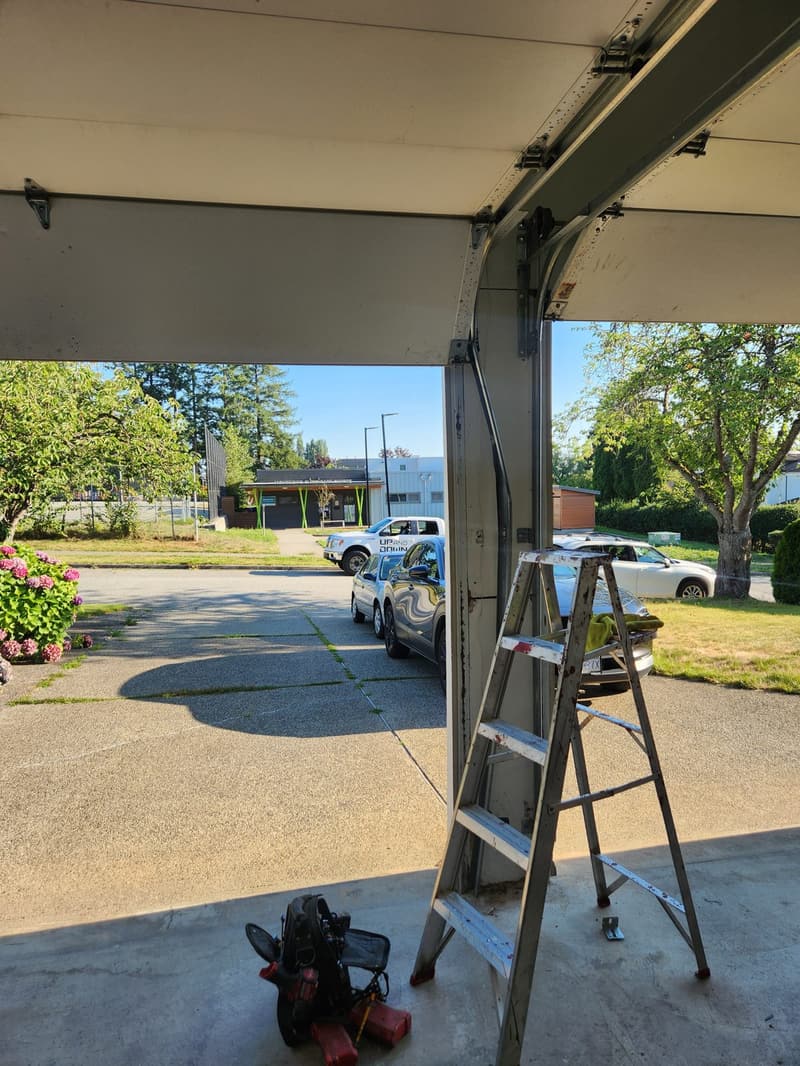
Signs Your Drum Is Affected by Cold
Listen for sharp metallic clicks or pops when the door starts moving—especially in the morning after a freeze. These sounds often indicate the cable is catching on a burr or cracked section of the drum. Visually, inspect the drum where the cable winds: look for shiny wear marks, rust streaks, or deformation in the grooves. If the door opens unevenly—one side lifting faster than the other—or if the cable appears to be slipping sideways on the drum, cold-induced binding is likely. A drum that feels excessively stiff to turn by hand (when the door is disengaged from the opener) is another red flag.
Why Lubrication Fails in the Cold
Standard lithium-based greases and oils lose viscosity in freezing temperatures, turning stiff or semi-solid. When this happens inside the drum bore or on the shaft, it increases rotational resistance instead of reducing it. This added drag makes the opener work harder, strains the torsion springs, and can cause the motor to overheat or trip its thermal sensor. Silicone-based lubricants perform better in cold because they maintain flexibility, but even they can wash out or attract debris if over-applied. The key is using a minimal amount of the right lubricant—just enough to prevent metal-to-metal contact without trapping moisture.
What You Can Safely Check Yourself
Homeowners can inspect the drum visually and listen for abnormal noises during operation. With the door closed and disconnected from the opener (pull the emergency release cord), try rotating the drum by hand—it should turn smoothly with slight resistance. If it binds, grinds, or feels loose on the shaft, stop and call a technician. Check the cable for fraying where it contacts the drum, especially at the top and bottom of the travel. Look for rust buildup on the drum surface; light surface rust can be brushed off with steel wool, but pitting or flaking indicates degradation. Never attempt to adjust cable tension or loosen set screws on the drum while the spring is wound.
When Cold Exposure Creates a Safety Hazard
A cracked or fractured drum is a serious failure point. If the drum splits under tension, the sudden release of the torsion spring’s energy can cause the cable to whip violently, posing a lethal risk. This is why any sign of cracking, especially near the set screws or hub, requires immediate professional attention. Drums are under constant radial load from the cable and rotational stress during cycling—cold embrittlement makes existing flaws more likely to propagate. Replacement is not optional in these cases; welding or temporary fixes are unsafe and violate industry standards.
Why DIY Drum Replacement Is Not Recommended
Replacing a garage door drum requires releasing torsion spring tension, which stores enough energy to cause severe injury or death if mishandled. The process involves locking the shaft, unwinding the springs with winding bars, removing the old drum, sliding on the new one, re-tensioning the springs to specification, and recalibrating cable balance. Even experienced technicians treat this as a high-risk task. Misalignment of the drum by just a few degrees can cause immediate cable wear or door imbalance. Unless you have proper training, tools, and experience with torsion systems, this job is not suitable for DIY.
Frequently Asked Questions
### Can cold weather cause a garage door drum to crack?
Yes, repeated freezing and thawing cycles can cause thermal cycling fatigue in steel, especially if the drum has pre-existing defects like rust pits or stress concentrations. Cracks often start at the bore edge or near the set screws and propagate under cyclic load.
Should I lubricate the drum more in winter?
Only use a small amount of silicone-based lubricant on the shaft and bore if you notice stiffness. Avoid greases that thicken in cold—they increase resistance. Over-lubrication attracts dirt and can worsen performance.
How do I know if my drum needs replacement vs. just lubrication?
If the drum shows cracks, deep pitting, ovaling of the bore, or causes the cable to fray or jump grooves, it needs replacement. Smooth operation with minor surface rust may only require cleaning and light lubrication.
Up & Down Garage Doors (778) 873-7282