Humidity changes the flexibility and adhesion of garage door weather seals, causing them to harden, crack, or lose contact with the door and floor over time. In Metro Vancouver’s damp climate, repeated swelling and drying cycles degrade rubber and vinyl seals faster than in drier regions. This leads to air leaks, water intrusion, and reduced insulation efficiency, especially during seasonal transitions. You’ll notice the issue through visible gaps, increased drafts, or water pooling near the threshold after rain.
How Humidity Affects Garage Door Weather Seal
Signs Your Seal Is Failing Due to Humidity
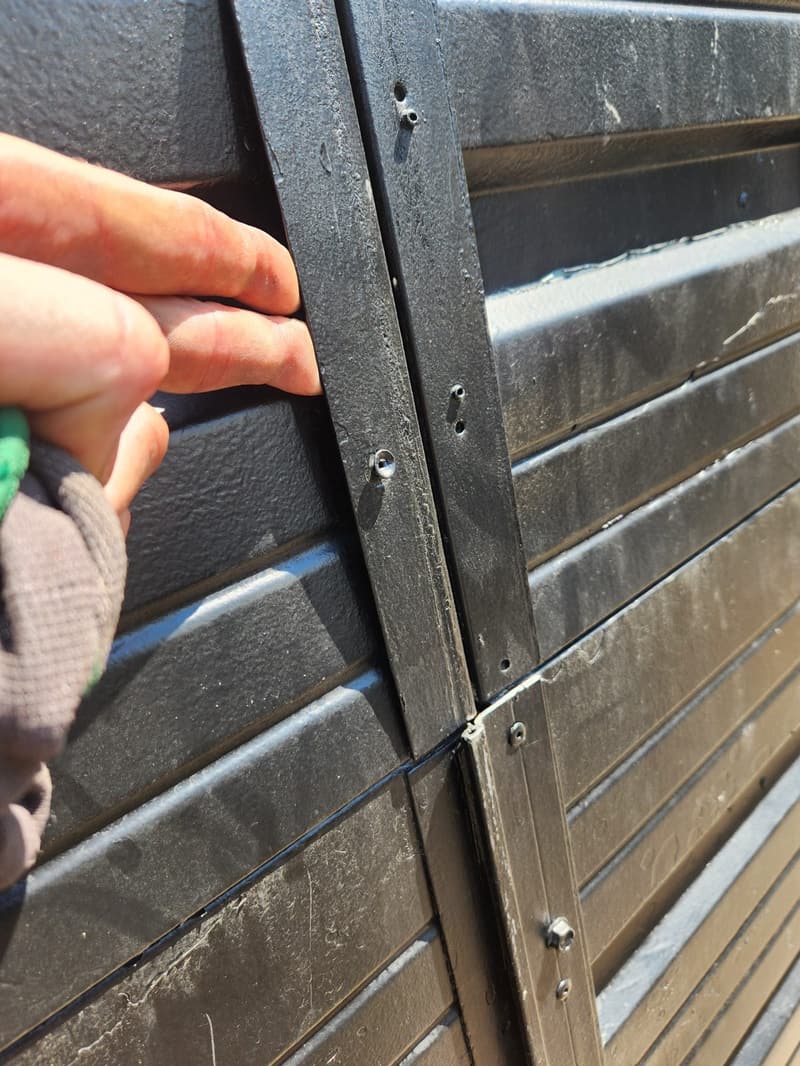
Start with a visual inspection. Close the door and look for light showing through the bottom or sides. Run your hand along the seal — if it feels stiff, cracked, or leaves a residue, it’s degraded. Listen for wind noise or rattling during storms; a loose seal flaps instead of sealing. After heavy rain, check the garage floor for dampness directly under the door. If water enters only when humidity is high and stops when it’s dry, the seal is likely the issue, not the door alignment.
DIY Checks You Can Do Safely
You can test seal flexibility by pressing a screwdriver tip gently against it — if it doesn’t indent slightly or feels like plastic, it’s too hard. Clean the seal with mild soap and water; avoid petroleum-based products that accelerate drying. Lubricate with a silicone-based spray made for weather stripping — never use WD-40, as it attracts dirt and breaks down rubber. If the seal is merely dirty or slightly stiff, cleaning and lubricating may restore function for a season.
When to Replace the Seal Yourself
Replacing a bottom seal or side stops is a DIY task if you have basic tools. Purchase a seal matched to your door’s retainer type (T-style, bulb, or bead). Remove the old seal by sliding it out of the retainer channel — sometimes you need to tap it loose with a flat bar. Lubricate the channel with silicone spray before feeding in the new seal. Cut it to length with a utility knife, leaving a slight overhang to compress. Do not stretch it tightly; it must relax into place.
What Not to Touch: Torsion Springs and Cable Systems
Never attempt to adjust or replace torsion springs, extension springs, or lift cables. These components store lethal amounts of energy. A sudden release can cause severe injury or death. If the door is unbalanced, sags on one side, or the seal damage appears alongside uneven movement, stop and call a technician. Humidity-related seal wear rarely affects spring tension, but misdiagnosing the cause can lead you to touch dangerous parts.
How Metro Vancouver’s Climate Speeds Up Wear
The region’s mild winters and high annual rainfall mean seals face constant moisture without freezing to kill mold or mildew. Unlike colder climates where seals stiffen then thaw, here they stay damp longer, promoting microbial growth that eats at the material. UV exposure during rare sunny periods further degrades the surface. Expect to inspect seals twice a year — spring and fall — and replace them every 3-5 years depending on exposure and quality.
Frequently Asked Questions
### Can I paint my garage door weather seal to protect it from humidity?
No. Painting seals with regular paint fills the flex points and causes cracking. Use only products specifically formulated for rubber or vinyl weather stripping if coating is necessary, but replacement is usually better.
Does a humid garage cause the seal to fail faster than outdoor humidity?
Yes. If your garage lacks ventilation, trapped moisture from wet cars or stored items creates a microclimate that degrades seals from both sides. Improve airflow or use a dehumidifier if condensation is routine.
Will a new seal fix a door that sticks in humid weather?
Only if the sticking is due to the seal dragging on the floor. If the door itself binds or the rollers seize, the issue is likely track alignment or lubrication — not the seal.
Up & Down Garage Doors Phone: (778) 873-7282