Services
Locations
📞 (778) 873-7282
Home / Blog / How Cold Weather Affects a Garage Door Opener

How Cold Weather Affects a Garage Door Opener

Cold temperatures thicken lubricants, strain motors, and make springs brittle. Learn what happens to your garage door opener in winter and when to call a pro.

Call (778) 873-7282
Licensed & insured
Open 24 hours
Based in Richmond
5-star rated

Cold weather directly impacts garage door opener performance by increasing mechanical resistance and reducing component flexibility. As temperatures drop, grease in the rail and on the chain or belt thickens, creating drag that forces the motor to work harder. Simultaneously, rubber seals and weatherstripping lose pliability, increasing friction at the door’s edges. These combined effects often manifest as slow operation, straining noises, or the opener failing to lift the door fully—symptoms that worsen during prolonged cold snaps common in Metro Vancouver winters.

How Cold Weather Affects Garage Door Opener
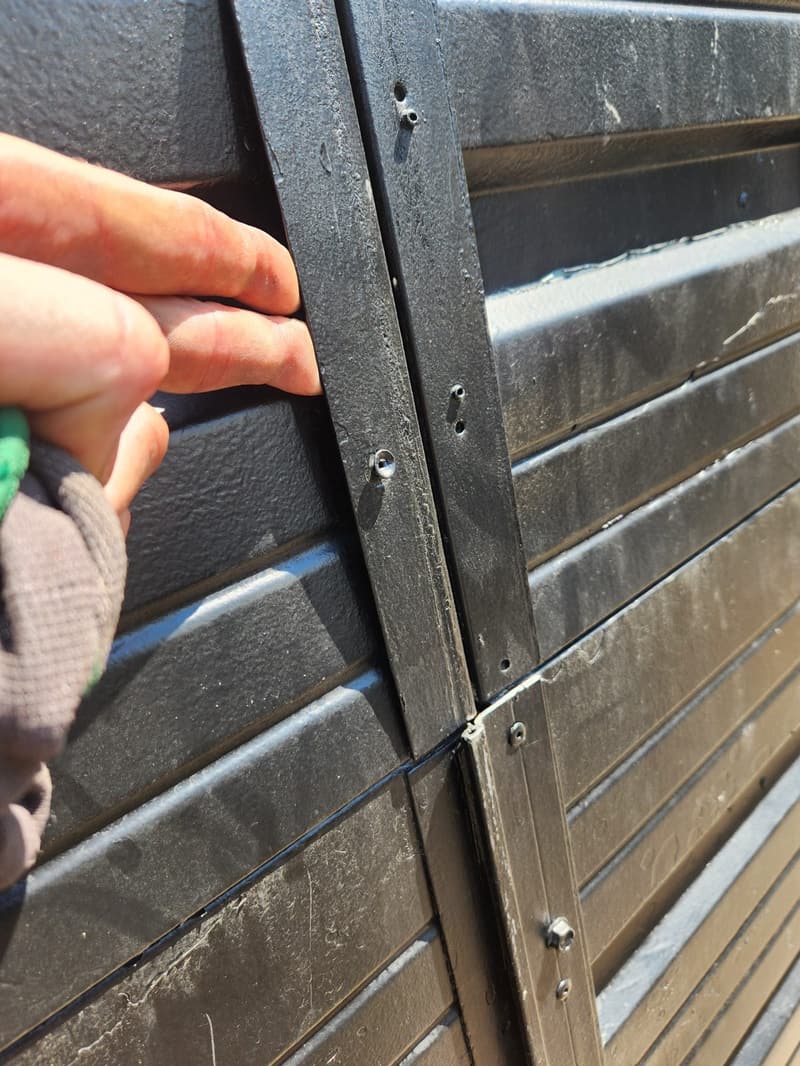
garage door panel and fastener repair
How Cold Weather Affects Garage Door Opener — real job photo, Up & Down Garage Doors.

Increased Strain on the Motor and Drive System
Cold-induced drag places sustained strain on the opener’s motor, capacitor, and drive mechanism (chain, belt, or screw). Older motors with worn brushes or weakened capacitors are especially vulnerable, as they lack the torque to overcome thickened grease. You may notice the opener struggles to start, moves jerkily, or strains audibly—often a high-pitched whine or grinding noise. The capacitor, which provides the initial power boost for startup, can fail under repeated cold-weather stress, resulting in a door that won’t move at all despite the motor attempting to run. These symptoms often appear suddenly after a temperature drop.

Effects on Torsion and Extension Springs
While not part of the opener itself, spring performance critically affects opener load. Cold makes steel springs more brittle and less elastic, reducing their ability to store and release energy efficiently. This increases the effective weight the motor must lift. If a spring is already worn or corroded, cold temperatures can accelerate fatigue, raising the risk of sudden failure. A broken spring will make the door feel extremely heavy—often impossible to lift manually—and the opener will strain loudly or fail to move the door. **Never attempt to adjust or replace torsion springs.** They store lethal amounts of energy and require specialized tools and training. Only a qualified technician should handle spring-related issues.

Rubber Component Hardening and Seal Drag
Weatherstripping at the bottom of the door and along the frame becomes rigid in cold weather, increasing friction as the door seals shut. This adds measurable resistance, particularly noticeable when the door is closing against the seal. You might see the opener reverse prematurely, thinking it’s hit an obstruction—a safety feature triggered by excessive force. Similarly, stiff rubber rollers can bind in the track, causing uneven movement or scraping noises. Inspect the seal for cracks or permanent compression; if it’s brittle and no longer flexes, replacement is a straightforward DIY task using exterior-grade vinyl or rubber sealant.

What Homeowners Can Safely Check Themselves
Before assuming opener failure, perform these checks: disconnect the opener by pulling the emergency release cord and manually lift the door. It should move smoothly with minimal resistance and stay open about halfway without drifting. If it feels heavy, binds, or won’t stay put, the issue is likely spring-related or due to frozen lubricant—not the motor. With the door closed, wipe the rail clean and apply a small amount of garage door-specific lubricant (not WD-40) to the rollers, hinges, and bearing plates. Avoid greasing the chain or belt unless the manufacturer specifies it. Test the door’s movement again. If manual operation is smooth but the opener still struggles, the problem lies within the opener’s electrical or drive components.

When to Call a Professional Technician
If the door operates freely by hand but the opener fails to run, overheats quickly, or produces electrical smells, the issue is internal to the unit—possibly a failing motor, capacitor, or circuit board. These require diagnostic tools and electrical safety knowledge. Likewise, any suspicion of spring wear, cable fraying, or track misalignment warrants professional inspection. Attempting to repair high-tension components risks severe injury. Up & Down Garage Doors services residential garage door openers across Metro Vancouver and can be reached at (778) 873-7282 for assessment and repair.

Frequently Asked Questions
### Can I use WD-40 on my garage door parts in winter?
No. WD-40 is a water displacer and solvent, not a lubricant. It attracts dust and evaporates quickly, leaving components drier than before. Use a silicone-based or lithium grease formulated for garage doors instead.

Why does my opener work fine in the garage but fail when it’s freezing outside?
Garages trap residual heat from vehicles and sunlight, keeping internal temperatures higher than outdoors. The opener and door components inside the garage may function normally, but the exposed sections—particularly the bottom seal and external rollers—experience full cold-weather effects, creating drag the motor must overcome.
### How cold is too cold for a garage door opener to operate?
Most residential openers are rated to function down to -20°C. However, performance degradation begins well above that threshold due to lubricant thickening and seal hardening. Operational issues commonly appear between 0°C and -10°C in coastal climates like Metro Vancouver’s, where damp cold increases surface ice formation on tracks and seals.

Stuck door? Let's get it moving.

One call, a clear price, and the job done right — 24/7 across Metro Vancouver.

📞 Call (778) 873-7282