Garage door sensors must be aligned to allow the door to close. If the sensors are misaligned, the door will reverse or refuse to close, even if nothing is blocking the path. This is a safety feature designed to prevent injury or damage. On extension spring systems, the sensors are typically mounted near the bottom of the tracks, facing each other across the door opening. One sensor sends an infrared beam; the other receives it. If the beam is interrupted — by misalignment, dirt, or vibration — the opener assumes an obstruction and stops the door.
Misalignment often happens gradually. Vibration from door operation can loosen the sensor brackets over time. Accidental bumps from lawn equipment, storage items, or even door movement can shift the sensors just enough to break the beam. You’ll notice the door starts to close, then reverses back up. The opener lights may flash, or you’ll hear a clicking sound from the motor unit. Sometimes the door won’t close at all, even when you hold the wall button — a sign the sensors are not communicating.
To check alignment, start by inspecting the sensor lenses. Clean them with a soft, dry cloth — dirt or spider webs can block the beam. Look for indicator lights on each sensor. One should show a steady light (usually green), meaning it’s powered and sending. The other should show a steady light (often amber or red) when it’s receiving the beam. If either light is off, flickering, or blinking, the beam is broken.
Next, check the mounting brackets. Loosen the wing nuts or screws just enough to allow movement. Gently adjust each sensor until both lights are steady and bright. Use a level if available — the sensors should be pointing directly at each other, parallel to the ground. Once aligned, tighten the hardware securely but avoid over-tightening, which can crack the sensor housing.
Test the door by attempting to close it. If it closes fully and stays closed, the alignment is correct. If it still reverses, repeat the process. Sometimes the issue isn’t alignment but a damaged wire, faulty sensor, or opener malfunction. If the sensors appear aligned but the lights won’t stabilize, or if you see frayed wires, corrosion, or water damage, stop and call a technician.
How to Align Sensors Garage Door Extension Spring
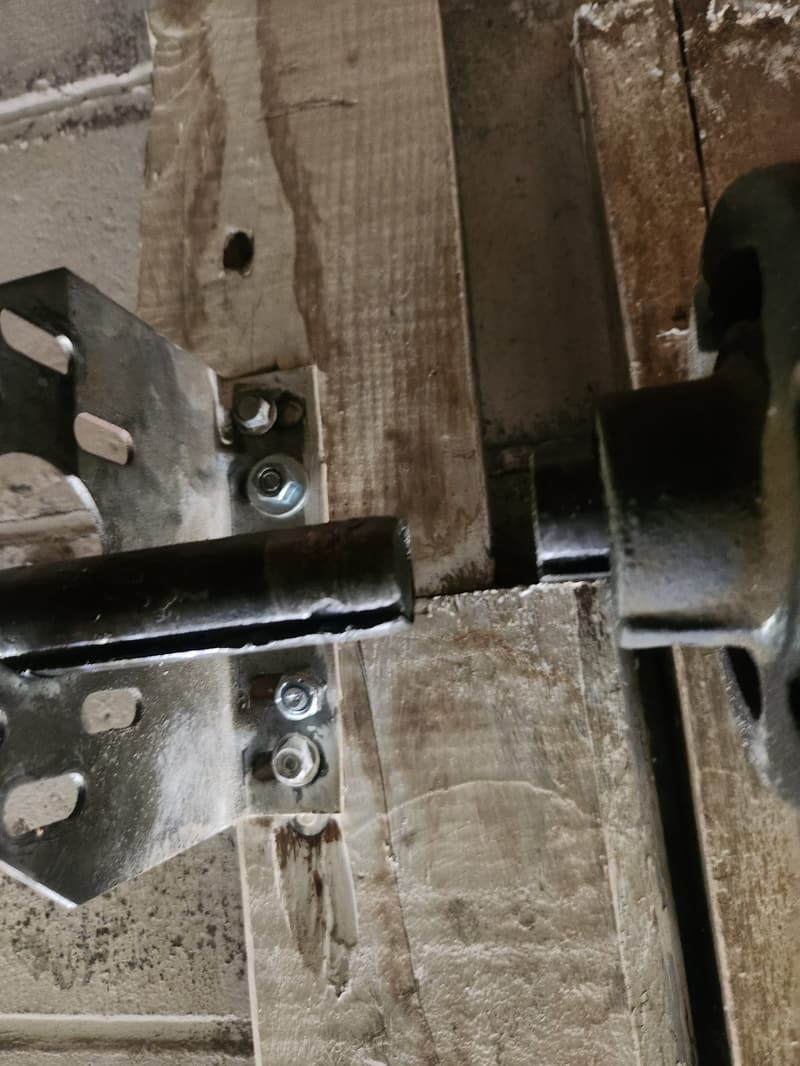
Extension spring systems use springs mounted above the horizontal tracks, stretching and contracting to lift and lower the door. Unlike torsion springs, which are under constant high tension and require specialized tools, extension springs are more accessible but still store significant energy. The safety sensors are independent of the spring mechanism — they’re part of the opener’s safety circuit. Their job is purely to detect obstructions in the door’s path. On extension spring setups, sensors are usually installed 4–6 inches above the floor on each track, inside the garage. This height prevents false triggers from small debris while still catching low objects like pets or toys.
Because the sensors are low and exposed, they’re vulnerable to knocks from brooms, shovels, or seasonal storage. Vibration from the door’s movement — especially if the springs are worn or unbalanced — can also nudge them out of alignment over time. In coastal areas like Metro Vancouver, moisture and salt air can corrode sensor housings or wiring, worsening connection issues. Regular visual checks help catch problems before they prevent the door from closing.
What Misalignment Looks and Sounds Like
A misaligned sensor doesn’t always cause total failure. Early signs include intermittent reversal — the door closes most of the way, then reverses near the bottom. You might hear the opener motor strain slightly before stopping, or notice the main light on the unit blinking in a pattern (often 10 flashes indicates a sensor issue). Some models beep or chirp when the beam is broken.
If one sensor is completely disconnected or severely misaligned, the door won’t close at all when using the remote or wall button. Holding the wall button continuously may force the door to close — this bypasses the sensor circuit and should only be used temporarily for testing or to secure the garage. Never leave the door in this state; it disables a critical safety feature.
Listen for unusual sounds: grinding or scraping could indicate the door is binding, but a clean reversal with motor hum followed by stop points to the sensors. If the door reverses instantly upon starting to close, the beam is likely broken immediately — check for obvious obstructions first, then sensor alignment.
DIY Checks You Can Perform Safely
Homeowners can safely perform several checks without tools or risk. First, verify nothing is blocking the sensor path — look for leaves, dust buildup, or small objects near the lens. Second, clean the lenses with a microfiber cloth; avoid solvents or sprays that could leave residue. Third, observe the indicator lights while attempting to close the door. Note which light is unstable.
If you have a screwdriver or wrench, you can loosen the sensor brackets and make small adjustments. Move the sensors in tiny increments — even a few millimeters can restore the beam. After each adjustment, wait a few seconds for the lights to stabilize before moving again. Once both lights are steady, tighten the hardware and test the door.
Do not attempt to adjust or touch the extension springs, cables, pulleys, or opener trolley. These components are under tension and can cause serious injury if released unexpectedly. If the door seems uneven, sagging, or makes loud noises during operation, stop and consult a technician. Sensor alignment is a surface-level fix; underlying mechanical issues require professional evaluation.
When to Call a Professional Technician
Call a technician if the sensor lights remain unstable after cleaning and realignment attempts. This could indicate failed sensors, damaged wiring, or a faulty opener logic board. If you notice corrosion on the terminals, exposed wires, or water inside the sensor housing, replacement is needed — these are not field-repairable items in most cases.
Also, if the door exhibits other symptoms — uneven movement, loud bangs, or failure to stay open — the problem may lie with the extension springs, cables, or rollers. These parts store energy and must be handled with proper tools and training. A technician can test spring balance, inspect cable wear, and verify the opener’s force settings are correct for the door’s weight.
In Metro Vancouver’s climate, annual maintenance is recommended. Temperature swings and humidity affect metal components, lubrication, and sensor reliability. A professional can lubricate moving parts, check track alignment, and test the safety reversal mechanism — including the sensors — to ensure everything operates as intended.
Frequently Asked Questions
Can I use a laser level to align the sensors?
A laser level can help verify that both sensors are pointing horizontally and at the same height, but it doesn’t confirm the infrared beam is aligned. The sensors must be aimed directly at each other’s lenses, which a laser won’t show unless it’s visible on the receiver sensor. Use the indicator lights as your primary guide — they confirm beam reception.
Why do my sensors work fine in the day but fail at night?
Sunlight can interfere with the infrared beam, especially if it shines directly into the receiving sensor. This is more common with older or non-modulated sensors. If alignment is correct but the issue occurs only in bright light, consider adding a sun shield — a small piece of tubing or tape extended from the sensor housing to block direct sunlight without blocking the beam.
How often should I check my garage door sensors?
Check the sensors visually every few months as part of routine garage maintenance. Look for dirt, misalignment, or damage. Test the door’s closing function monthly by placing a solid object (like a 2×4) in the path — it should reverse on contact. If it doesn’t, disconnect the opener and call a technician immediately.