A garage door limit switch controls how far the door travels when opening or closing. If the hardware securing the switch becomes loose, the door may not stop at the correct position, leading to incomplete closure, overextension, or repeated reversing. This guide explains how to check and tighten the mounting hardware safely, what signs indicate a problem, and when professional help is required.
How to Tighten Hardware Garage Door Limit Switch
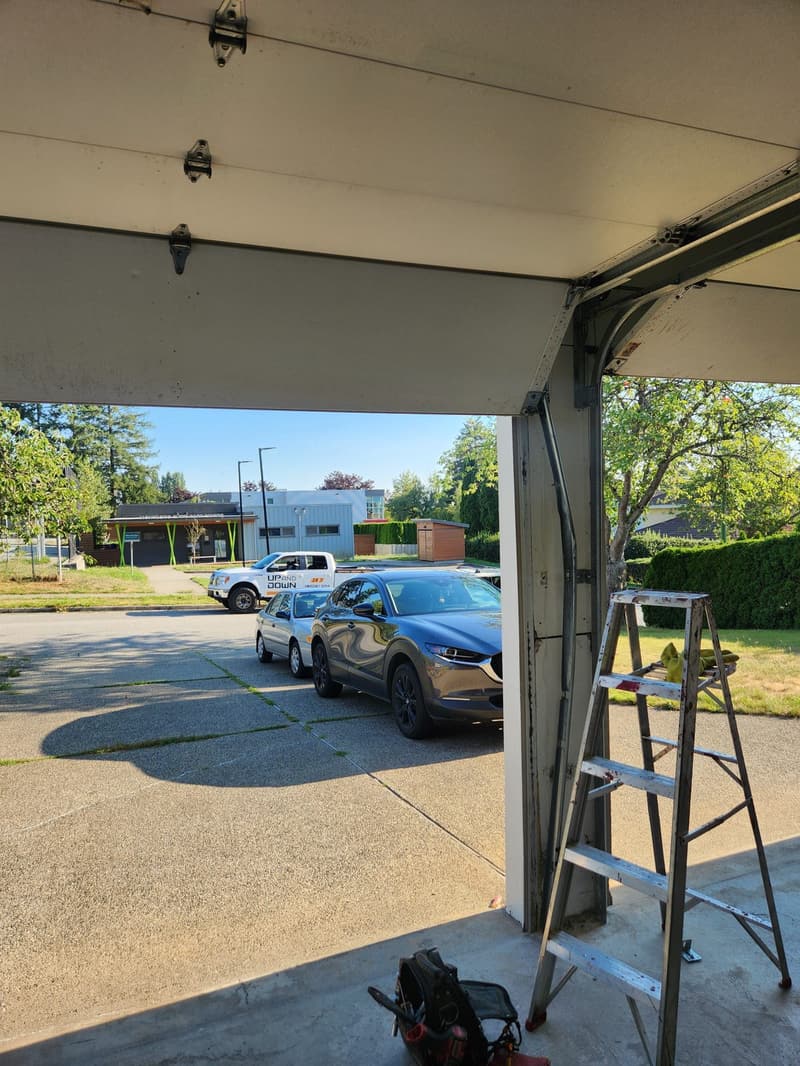
The limit switch is typically a small plastic or metal box mounted on the opener’s rail or ceiling bracket, connected to the trolley via a cable or rod. It contains adjustable cams or screws that set the door’s travel limits. The hardware holding the switch in place includes mounting screws, brackets, or lock nuts that can vibrate loose over time due to door movement. On chain-drive or belt-drive openers, the switch is often secured to the rail with two or more screws. On screw-drive models, it may be clipped or bolted to the opener housing. Visually inspect the switch while the door is stationary—look for any visible gaps between the switch body and its mounting surface, or signs of screw heads protruding unevenly.
Symptoms of Loose Limit Switch Hardware
When the limit switch shifts position due to loose hardware, the door’s travel points change. You might notice the door stopping short of fully closed, leaving a gap at the bottom, or pulling too far into the header and straining the seal. During operation, you may hear a clicking or rattling noise near the opener as the switch vibrates. Some systems will trigger an error code or cause the door to reverse immediately after closing, interpreting the misalignment as an obstruction. If the door opens but won’t close fully, or closes but won’t open all the way, and the safety sensors are aligned and clean, loose limit switch hardware is a likely cause.
Tools and Preparation for Checking the Hardware
You’ll need a step ladder, a flashlight, and the correct screwdriver or nut driver for the mounting screws—usually a Phillips or flathead, sometimes a 1/4-inch nut driver for lock nuts. Disconnect power to the opener by unplugging it or turning off the circuit breaker before touching any components. This prevents accidental activation while you’re working. Have someone nearby to assist if needed, but do not operate the door while the power is off and you’re adjusting parts. Wear safety glasses to protect against debris, and ensure the ladder is stable on a flat surface.
How to Tighten the Mounting Screws Safely
With power disconnected, use the flashlight to locate the screws securing the limit switch to its bracket or rail. Turn each screw clockwise gradually—about a quarter turn at a time—checking for resistance. Do not overtighten, as this can strip the plastic housing or crack the mounting bracket. After tightening each screw, gently try to wiggle the switch side to side; it should feel firm with no movement. Reconnect power and test the door’s travel by running it through a full open and close cycle. Observe where it stops. If the position is still incorrect, the limit screws inside the switch may need adjustment—but that is a separate procedure from tightening the mounting hardware.
When Limit Switch Adjustment Is Needed Beyond Hardware Tightening
Tightening the mounting screws only fixes physical looseness. If the door still doesn’t stop at the right point after the hardware is secure, the internal limit screws (which set the travel distance) may have drifted. These are adjusted with a screwdriver while the opener is powered, following the manufacturer’s markings for ‘up’ and ‘down’ travel. Incorrect adjustment here can cause the door to crush objects or fail to close fully. Because this involves live electrical components and precise calibration, it’s riskier than hardware tightening. If you’re unsure about the direction or amount of turn, or if the door behaves unpredictably after adjustment, stop and seek help.
Safety Risks: What Not to Touch
Never attempt to adjust or tighten anything near the torsion spring assembly, including the spring itself, cables, cones, or the shaft bracket. These components store extreme tension and can cause serious injury or death if released unexpectedly. The limit switch is located on the opener or rail, well away from the spring system—if your work requires you to go near the springs above the door, you’ve gone too far. Similarly, do not modify the opener’s internal gear housing or motor mount unless you’re trained. If the door is unbalanced, sticks during manual operation, or shows signs of cable fraying, those are separate issues requiring a technician.
Frequently Asked Questions
How often should I check the limit switch hardware for looseness?
Check the limit switch mounting screws every six months as part of routine garage door maintenance, or whenever you notice changes in door travel position. Vibration from regular use gradually loosens fasteners, especially in colder climates where metal contracts and expands.
Can a loose limit switch cause the door to reverse when closing?
Yes. If the limit switch shifts so the door thinks it has reached the floor before it actually has, the opener may interpret this as an obstruction and trigger the safety reverse function. This often happens intermittently and worsens as the hardware loosens further.
Is it safe to tighten the limit switch hardware if the door is open?
Only if the door is fully open and secured in place—never rely on the opener to hold it. Use a C-clamp or locking pliers on the track just below the bottom roller to prevent the door from falling. Disconnect power before touching any components.
For assistance with garage door limit switch issues or other opener concerns in Metro Vancouver, contact Up & Down Garage Doors at (778) 873-7282.