The centre bearing supports the torsion spring shaft and allows it to rotate smoothly when the door opens and closes. When this bearing wears out, it creates friction that disrupts the door’s balance and puts extra load on the opener and springs. You’ll notice the door moving unevenly, jerking, or stalling partway through its travel. A grinding or squealing noise often comes from the centre of the header above the door, especially during movement. This sound is metal-on-metal contact as the bearing seizes or loses lubrication. Visually, inspect the bracket where the shaft passes through the header; look for rust, wobble in the shaft, or fresh metal shavings around the bearing housing. If the shaft feels rough when turned by hand (with the door disconnected and secured), the bearing is likely failed. Increased strain on the opener may cause it to overheat or trip its thermal sensor, leading to intermittent operation. The door might also appear to sag on one side if the bearing failure allows shaft deflection. Do not attempt to replace the centre bearing while the torsion springs are wound—they store lethal energy and must be unwound by a trained technician using proper winding bars. DIY replacement is only safe after full spring tension is released and the shaft is supported. If you’re not experienced with torsion systems, leave this repair to a professional. Regular lubrication of the bearing with silicone-based grease every six months can extend its life, but once wear begins, replacement is the only fix.
Signs Garage Door Centre Bearing Needs Replacing — Common Sounds That Indicate Bearing Failure
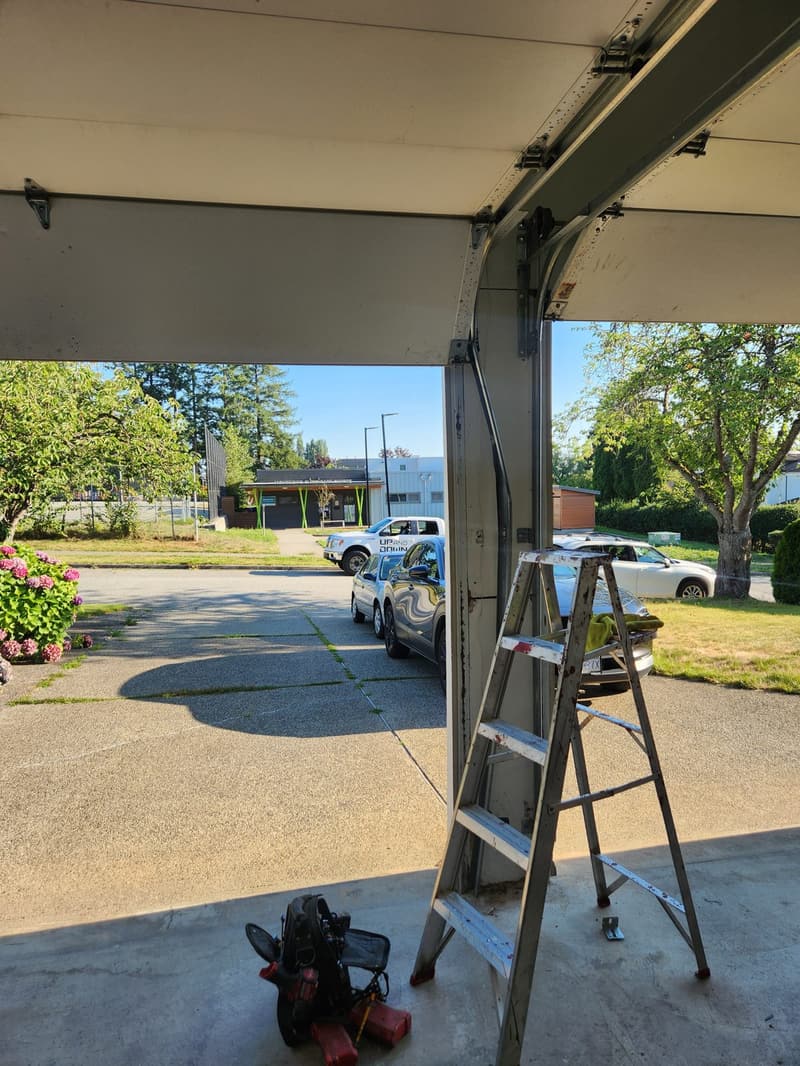
A healthy centre bearing operates silently. When it fails, you’ll hear a persistent grinding or screeching noise localized to the centre of the door header, distinct from the roller or hinge sounds along the tracks. This noise worsens as the door moves and may pulse with each rotation of the shaft. It’s not a squeak from dry rollers—it’s a deeper, harsher metal grind that doesn’t go away with lubrication of the moving parts. If the noise changes pitch or disappears when the door is manually lifted (opener disconnected), it confirms the issue is in the bearing assembly rather than the door panels or tracks.
Visual Clues You Can Check Safely
With the door closed and disconnected from the opener, examine the centre bearing bracket mounted to the header. Look for visible rust, corrosion, or grease leakage around the bearing seal. Check if the torsion shaft rotates freely by hand—it should turn smoothly with minimal resistance. Any roughness, catching, or side-to-side play in the shaft indicates bearing wear. Also inspect for fresh metal dust or shavings on the bracket or nearby surfaces, which result from internal bearing breakdown. Do not disassemble the bearing or attempt to remove the shaft without first releasing spring tension.
How Bearing Failure Affects Door Operation
As the bearing seizes, it creates drag that the opener must overcome, causing the motor to strain, overheat, or shut off prematurely. You might notice the door opens slowly, stops mid-cycle, or reverses unexpectedly—symptoms often mistaken for opener or sensor issues. The door may also hang unevenly when stopped halfway, as the binding shaft tilts and lifts one side more than the other. Over time, this added stress can prematurely wear the torsion springs, cables, or opener drive gear, turning a simple bearing replacement into a more extensive repair.
Why DIY Repair Is Risky Without Proper Preparation
The torsion spring shaft is under constant torque when the door is closed. Attempting to remove the centre bearing without first unwinding the springs can cause the shaft to spin violently, leading to serious injury or death. Even after disconnecting the opener, the springs remain loaded. Only proceed with bearing replacement after using winding bars to safely release all tension and securing the shaft with vise grips or a proper shaft lock. If you lack the tools, training, or confidence to handle torsion systems safely, do not attempt this repair—call a qualified technician.
When Lubrication Helps and When It Doesn’t
Applying silicone-based lubricant to the bearing surface can temporarily reduce noise if the issue is minor surface corrosion or lack of grease. However, if the bearing is pitted, seized, or internally damaged, lubrication will not restore smooth operation and may attract dust that accelerates wear. Lubrication is preventive, not curative—once grinding or roughness is present, replacement is necessary. Avoid petroleum-based greases, which can degrade rubber seals and attract dirt.
Frequently Asked Questions
Can I replace just the bearing without removing the torsion shaft?
In most residential systems, the centre bearing is pressed onto the shaft and requires shaft removal for replacement. Some designs allow bearing replacement in place with specialized pullers, but this is uncommon and still requires the shaft to be supported and spring tension released. Attempting to force a bearing off without proper tools risks damaging the shaft.
How long does a centre bearing typically last?
Under normal use and with biannual lubrication, a quality centre bearing can last 10–15 years. Exposure to moisture, lack of maintenance, or frequent cycling (common in strata buildings) can shorten this lifespan. Rust or corrosion is often the first sign of impending failure.
Will a bad centre bearing damage my garage door opener?
Yes—prolonged operation with a failing bearing increases the load on the opener motor and drive gear, leading to overheating, premature wear, or failure. Addressing bearing issues early protects more expensive components and prevents unexpected breakdowns.
Up & Down Garage Doors (778) 873-7282