Garage door safety sensors wear out faster in wet climates due to constant exposure to moisture, dirt, and temperature fluctuations that corrode electrical components and misalign optical pathways. In Metro Vancouver’s damp conditions, sensors face persistent challenges that lead to intermittent faults or complete failure over time, even if they appear intact.
What Causes Garage Door Safety Sensor Wear Wet Climate
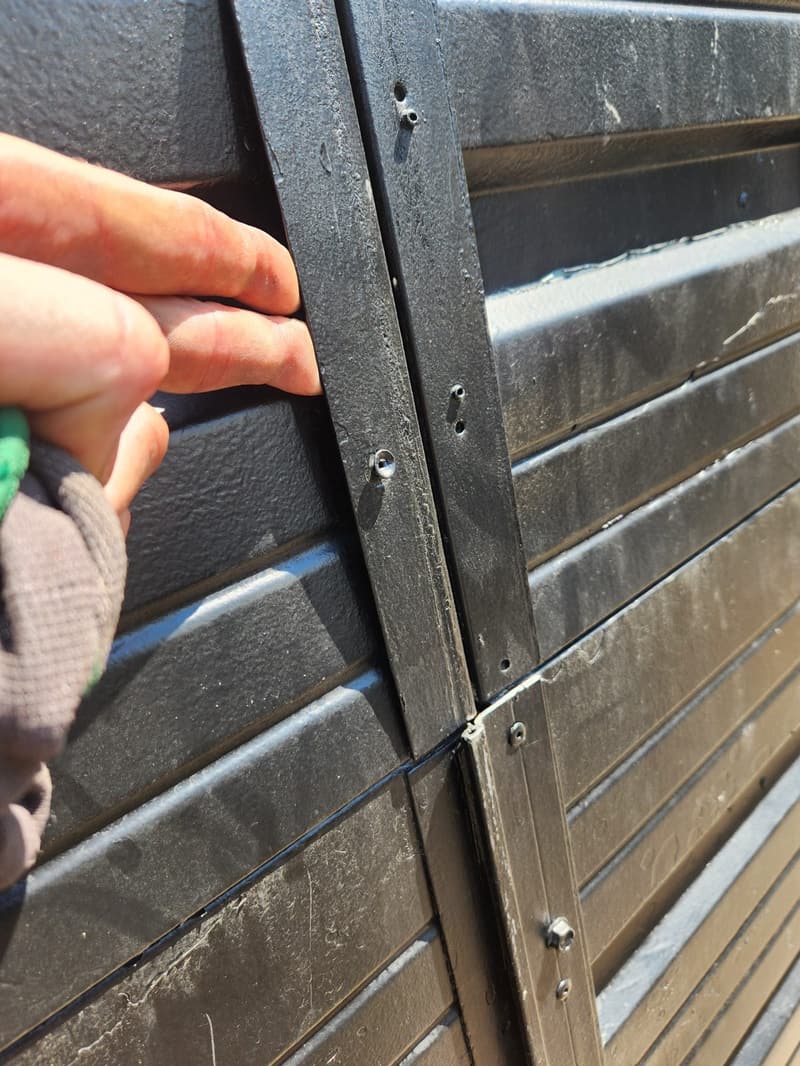
Dirt and Debris Buildup on Lenses
Even small amounts of mud, pollen, or airborne particulates accumulate on the sensor lenses over time. In wet climates, this debris mixes with moisture to form a film that scatters or blocks the infrared beam. Unlike a complete misalignment, this causes gradual signal degradation—the opener may work fine on dry days but fail during or after rain. Homeowners often mistake this for a wiring issue when the real problem is a dirty lens that needs cleaning with a dry microfiber cloth.
Temperature Cycling and Material Stress
Metro Vancouver’s frequent shifts between cold, wet winters and mild, damp summers cause repeated expansion and contraction of sensor materials. Plastic housings become brittle over time, developing hairline cracks that let in moisture. The rubber gaskets sealing the lens and wiring entry points lose elasticity, hardening and shrinking, which compromises their seal. This accelerates both water ingress and lens misalignment as the housing warps slightly under stress.
Electrical Issues from Ground Moisture
Wet soil increases conductivity around the garage door’s underground wiring. If the sensor wires are buried or run along damp concrete, moisture can induce stray currents or ground faults, especially if the insulation is aged or nicked. This doesn’t trip a breaker but introduces noise into the low-voltage sensor circuit, confusing the opener’s logic. Symptoms include the sensors appearing aligned (both LEDs lit) yet the door still reversing—indicating the beam is electrically present but optically disrupted.
What Wear Looks and Sounds Like
Visible signs include fogging inside the lens housing, white or green corrosion on metal contacts, or cracked plastic around the mounting bracket. Audibly, you might hear the opener click repeatedly as it tries to engage but fails to detect a clear beam. The door may close an inch, then reverse, or stop mid-cycle with flashing lights on the wall console—typically a pattern of 10 flashes indicating sensor failure, depending on the opener brand.
What Homeowners Can Safely Check
You can inspect the sensors yourself: ensure both units are pointing directly at each other with no obstructions, wipe the lenses with a dry cloth, and check that the mounting brackets are tight and not bent. Verify the wires are securely fastened at both ends and show no signs of chewing or crushing. If the LEDs are off or flickering, check the power source at the opener unit. Never attempt to splice wires or open the sensor housing—internal components are not user-serviceable.
When to Call a Professional
If cleaning and realigning don’t resolve the issue, or if you notice corrosion on the wires, persistent LED failure, or damage to the sensor housing, stop troubleshooting. Continued moisture exposure may have compromised the circuit board or wiring insulation beyond surface-level fixes. A technician can test signal strength, check for ground faults, and replace sealed, weather-rated sensors designed for wet climates. Never bypass safety sensors—it removes critical protection against entrapment.
Frequently Asked Questions
Can I use silicone spray to protect the sensors from moisture?
No. Silicone or any lubricant on the sensor lenses will scatter the infrared beam and cause immediate failure. Only use a dry microfiber cloth for cleaning. Protective coatings belong on external housings only if approved by the manufacturer, and even then, they must not touch the optical surface.
Do wireless safety sensors work better in wet environments?
Wireless sensors eliminate wiring exposure to ground moisture but still suffer from lens contamination and housing seal failure. They introduce battery maintenance and potential signal interference. For most Metro Vancouver homes, properly sealed wired sensors with correct installation are more reliable than wireless alternatives.
How often should I check my garage door sensors in a wet climate?
Inspect the sensors monthly during fall and winter when moisture and debris are highest. After heavy rain or windstorms, check for misalignment or debris buildup. Include sensor checks in your seasonal garage door maintenance routine alongside lubrication of rollers and inspection of cable wear.
For expert assessment of garage door safety sensor wear in wet climates, contact Up & Down Garage Doors at (778) 873-7282.