Services
Locations
📞 (778) 873-7282
Home / Blog / What Does a Failing Garage Door Wall Button Sound Like? Common Noises Explained

What Does a Failing Garage Door Wall Button Sound Like? Common Noises Explained

Learn what clicking, buzzing, or silent wall buttons mean for your garage door opener. Understand the sounds, causes, and when to call a technician.

Call (778) 873-7282
Licensed & insured
Open 24 hours
Based in Richmond
5-star rated

A failing garage door wall button often produces a rapid clicking sound when pressed, or it may make no sound at all while the opener remains unresponsive. In some cases, a low buzzing or humming noise comes from the button itself or the wall-mounted receiver, indicating electrical contact issues or a failing relay inside the unit. These sounds point to worn internal contacts, loose wiring, or a degraded circuit board rather than a problem with the door or opener motor.

What Does Failing Garage Door Wall Button Sound Like
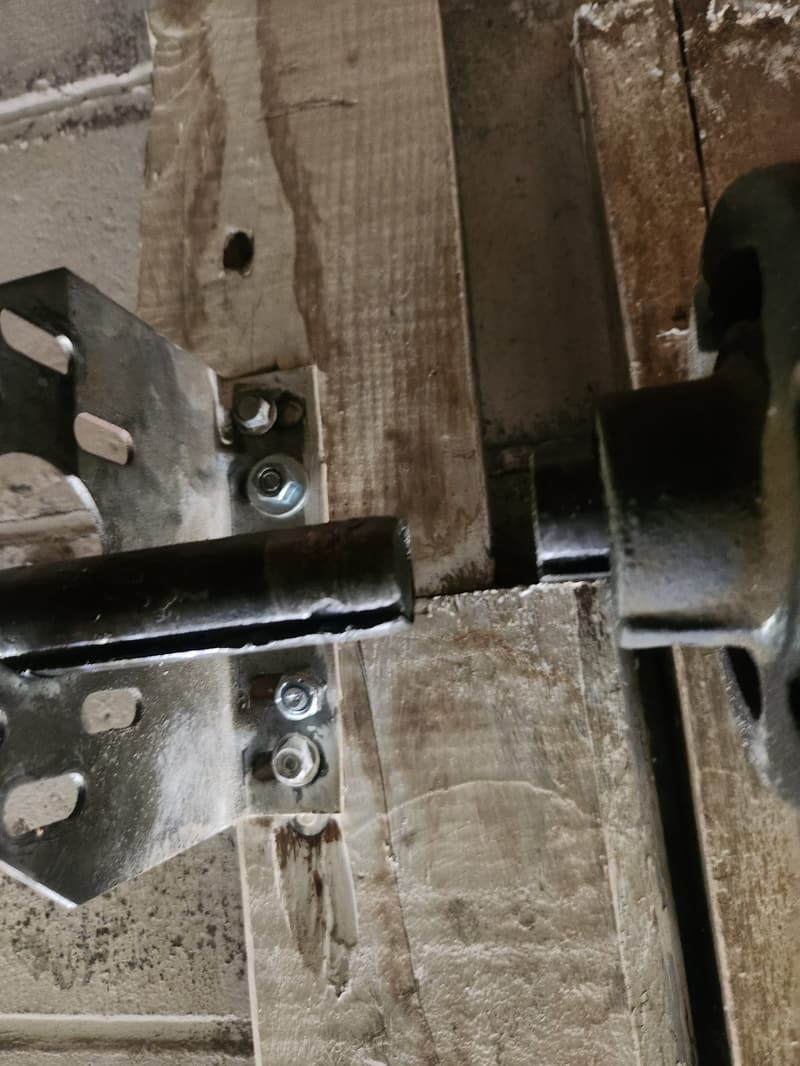
broken torsion spring showing the gap where it snapped
What Does Failing Garage Door Wall Button Sound Like — real job photo, Up & Down Garage Doors.

Clicking Sounds: What They Mean
A rapid clicking noise—often described as a machine-gun-like tick—when you press the wall button usually means the internal contacts are making and breaking connection rapidly due to poor surface contact or a weak return spring. This can also happen if the button is loose in its mounting bracket, causing vibration that interrupts the signal. The opener may receive intermittent signals, leading to inconsistent door movement or no response at all. Cleaning the contacts with electrical contact cleaner can sometimes help, but if the plastic housing is cracked or the spring is worn, replacement is necessary.

Buzzing or Humming from the Button or Wall
A low-frequency buzz or hum coming from the wall button itself or the wires behind it suggests a stuck relay in the opener or a short in the low-voltage circuit. The button may be continuously sending a signal due to fused contacts, causing the opener’s receiver to energize without a full command. This can overheat the transformer or motor circuit over time. If you hear buzzing only when the button is pressed and it stops when released, the issue is likely isolated to the button. If the humming persists, disconnect power and inspect for pinched wires or moisture damage.

Silent Failure: No Sound, No Response
When pressing the wall button produces no sound and the door does not move, the failure could be in the button, the wiring, or the opener’s terminal connections. First, check for 12–24 volts at the button terminals using a multimeter—if voltage is present but no click occurs, the button is faulty. If no voltage is detected, trace the wires back to the opener for breaks, especially where they pass through studs or near nails. Rodent damage or staple punctures are common causes of open circuits in garage wiring.

What You Can Check Yourself
Homeowners can safely inspect the wall button by turning off power at the breaker, removing the cover, and looking for loose wires, corrosion, or broken plastic. Tighten terminal screws and check for continuity between the contacts when the button is pressed—if the meter doesn’t show a closed circuit, the switch is bad. Replace the button with a compatible model (matching voltage and terminal type) from the opener manufacturer. Never attempt to repair the internal contacts; replacement parts are inexpensive and designed for swap-in installation.

When It’s Not the Button: Related Issues
Sometimes what sounds like a wall button problem is actually a failing opener receiver or a depleted battery in a wireless keypad or remote. If the wall button is silent but remotes work, the issue is likely at the button or its wiring. If neither remotes nor the wall button work, check the opener’s power supply and logic board. Avoid assuming the button is at fault without testing—intermittent issues can stem from voltage drops or signal interference from LED lights or poorly shielded electronics.

Safety Note: What Not to Touch
While replacing a wall button is a low-voltage DIY task, never attempt to open the garage door opener’s motor housing or tamper with the torsion spring system. The springs store enough force to cause serious injury or death if mishandled. Wiring connected to the opener’s high-voltage side (120V input) should only be handled by someone with electrical training. If you’re unsure about wire routing, transformer output, or logic board connections, stop and consult a technician.

Frequently Asked Questions
### Can a bad wall button cause the garage door to open by itself?
Yes, if the contacts inside the button are welded shut or physically stuck, it can continuously signal the opener to activate, leading to unintended door movement. This is rare but possible with severe contact damage or moisture-induced shorting.

Why does my wall button work sometimes but not others?
Intermittent operation usually indicates loose wiring, corroded terminals, or worn contacts that only make connection under specific pressure or temperature conditions. Vibration from door movement can also temporarily disrupt a marginal connection.

Is it safe to replace a garage door wall button myself?
Replacing the button itself is safe for most homeowners since it operates on low voltage (typically 12–24V). Always disconnect power at the breaker before touching wires, and use a multimeter to confirm the absence of voltage if uncertain. If wires are frayed or the terminal block is damaged, seek professional help.

Stuck door? Let's get it moving.

One call, a clear price, and the job done right — 24/7 across Metro Vancouver.

📞 Call (778) 873-7282